iAspirants
Protests Against Ken-Betwa Project
Published on:
Share this post
Article Summary
Summary of Key Facts and Data Regarding the Ken-Betwa Link Project Protests
Project Overview
- Ken-Betwa Link Project: India’s first river-linking project under the National Perspective Plan (NPP).
- Budget: ₹44,000 crores.
- Objective: Transfer surplus water from the Ken River to the Betwa River, addressing water scarcity in the drought-prone Bundelkhand region, and providing drinking water to approximately 6.4 million people across Madhya Pradesh and Uttar Pradesh.
- Infrastructure: Construction of the Daudhan Dam and a 221-km canal (including a 2-km tunnel) with expected hydropower generation of 103 MW and solar power of 27 MW.
- Displacement: 7,193 families across 14 villages in Chhatarpur and 8 villages in Panna are facing displacement.
Government Response and Protests
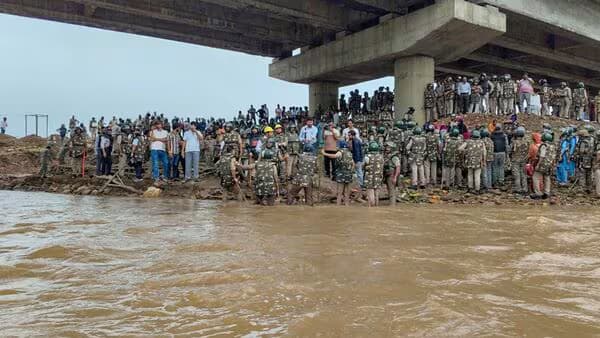
- Protests: Led by local activist Amit Bhatnagar and the Jai Kisan Sangathan, protesting against the project and demanding inclusion of affected families in rehabilitation.
- Rehabilitation Package: Increased from ₹5 lakh to ₹12.5 lakh per eligible beneficiary; demands include treating each adult as an individual beneficiary and revising the eligibility cut-off date.
- Police Action: Police cleared protest sites, detaining approximately 150 protesters. Bhatnagar was hospitalized after an indefinite hunger strike.
Environmental Concerns
- Impact on Panna Tiger Reserve: Concerns about the felling of approximately 17,101 trees, with 12,404 already felled, affecting the tiger reintroduction program and local biodiversity, including endangered species like vultures, mahseer fish, and gharials.
- Irregularities in Consent: Allegations of flawed gram sabha proceedings in securing consent for the project.
Judicial and Legislative Context
- National Perspective Plan (NPP): Formulated in 1980, aims to address water scarcity through river linking; divided into Himalayan Rivers Development and Peninsular Rivers Development.
- Government Commitments: Assurance to include omitted families in rehabilitation and address the protesters' concerns regarding rehabilitation processes.
Economic and Social Data
- Population Impact: The project aims to provide water to 4.4 million people in Madhya Pradesh and over 2 million in Uttar Pradesh.
- Additional Funding: The state government approved an extra ₹300 crore for the rehabilitation packages of the Majhgaon and Runjh irrigation projects.
International Context
- Hydrological Data: The Central government has not released hydrological data for the basins, citing sensitivity due to their connection to the international Ganga basin.
Conclusion
The Ken-Betwa Link Project has sparked significant protests due to concerns over environmental impact, displacement, and alleged irregularities in the rehabilitation process. The government has increased compensation and acknowledged some demands, but tensions remain high among affected communities. The situation highlights the complexities of large-scale infrastructure projects in India, balancing development needs with environmental and social justice.
Key Terms & Concepts
| Ken-Betwa Link Project | India's first river-linking project |
| ₹44,000 crore | Budget for Ken-Betwa Project |
| National Perspective Plan (NPP) | Framework for river linking |
| Daudhan Dam | Dam construction for project |
| 103 MW | Hydropower generation capacity |
| 27 MW | Solar power generation capacity |
| 4.4 million | People to receive drinking water |
| 7,193 families | Displaced under the project |
| ₹12.5 lakh | Rehabilitation package per beneficiary |
| ₹300 crore | Additional rehabilitation funds |
| 17,101 trees | Identified for felling |
| Panna Tiger Reserve | Location of project concerns |
| 2009 |