iAspirants
Purpose and Symbolism of Temples
Published on:
Share this post
Article Summary
Temples serve as replicas of Vaikunta, offering devotees a chance to experience the divine presence of God (Perumal) in a mortal environment.
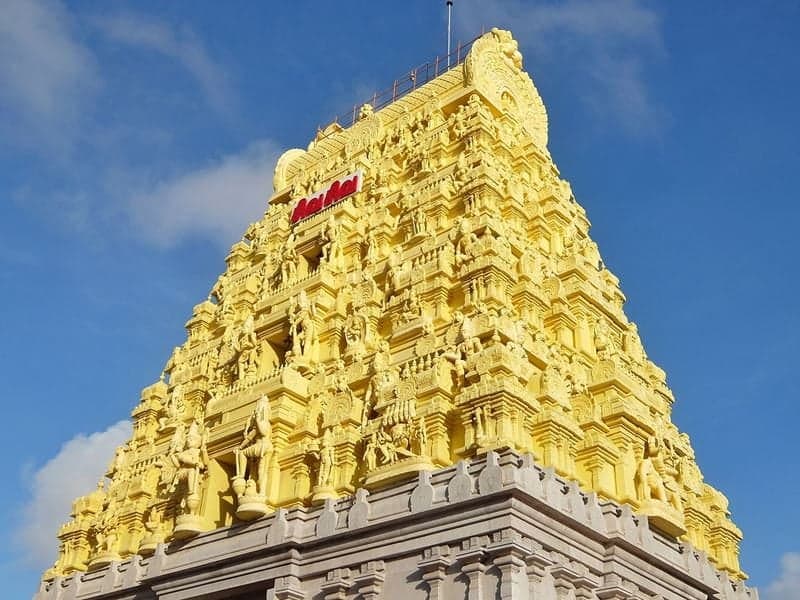
The rajagopuram (tower) represents the gateway to Vaikunta, symbolizing connection to the celestial abode.
References to sacred structures are found in ancient texts:
- Tiruvaimozhi by Nammazhwar mentions the gopuram in Vaikunta, highlighting its significance.
- Chandogya Upanishad describes the Airammadia kulam (pond) in Vaikunta, which is mirrored by temple ponds (pushkaranis), suggesting their spiritual relevance.
- The presence of the sacred ashwatha tree (Somasavana) in Vaikunta is symbolized by the sthalavriksham in temples.
The dwajastambham (flag pole) in temples represents the Visakha upastambham from Vaikunta, indicating connections to traditions in worship.
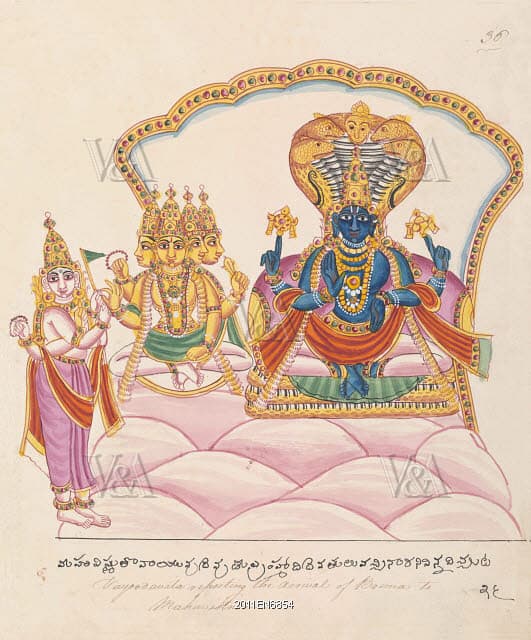
The sanctum sanctorum of the temple reflects the Golden Hall where Maha Vishnu resides.
Surrounding the main deity (Perumal), multiple sannidhis are akin to Nithya suris (eternal servants) that serve the divine in celestial realms.
The structure and layout of temple visits guide devotees through a series of veneration steps:
- Start at the rajagopuram.
- Prostrate before the dwajastambham.
- Visit the Garuda sannidhi.
- Acknowledge preceptors (gurus) and seek blessings from Viswakarma and other nitya suris.
- Approach the chamber of Thayar before entering the sanctum of Perumal, respecting the gatekeepers along the way.
Overall, temple visits are portrayed as a spiritual journey reflecting the experience of Vaikunta for devotees, enhancing the significance of architectural and spiritual symbolism in worship practices.
Key Terms & Concepts
| Vaikunta | Supreme abode of God |
| Tiruvaimozhi | Scriptural reference to gopuram |
| Chandogya Upanishad | Describes celestial water body |
| ashwatha tree | Sacred tree representation |
| Visakha upastambham | Depicted as flag pole |
| Golden Hall | Abode of Maha Vishnu |
| Nithya suris | Eternal servants of God |
| Gurukulam | Place of spiritual learning |
| Garuda sannidhi | Celestial vehicle representation |