iAspirants
Recognition for Operation Pawan Soldiers
Published on:
Share this post
Article Summary
Summary of Key Points from the Article on Indian Peacekeeping Mission Recognition
Event Context:
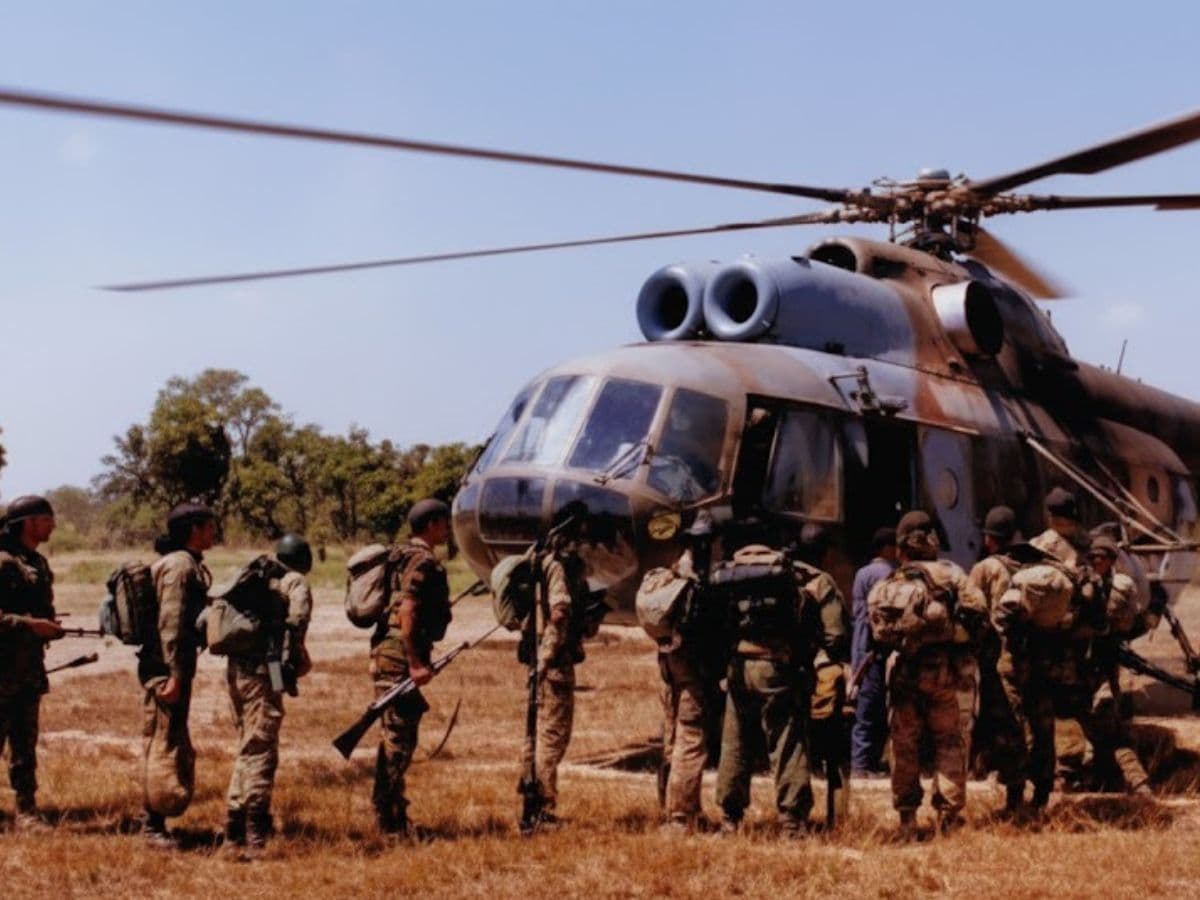
- Marking nearly four decades after the Indian Peacekeeping Force (IPKF) operation in Sri Lanka (Operation Pawan), Defence Minister Rajnath Singh acknowledged the contributions and sacrifices of the soldiers during the 10th Armed Forces Veterans Day.
- The tributes were given at the Manekshaw Centre, Delhi Cantonment, with around 2,500 veterans present.
Government Recognition:
- Defence Minister emphasized that the valor and sacrifices of the IPKF soldiers, which were previously overlooked, are now receiving proper acknowledgment from the government, especially under the leadership of Prime Minister Narendra Modi.
- The PM has personally paid tribute to the fallen soldiers, for instance, at the IPKF Memorial during his 2015 visit to Sri Lanka.
Veterans' Contributions:
- Singh described veterans as "living pillars of national consciousness" and called upon them to guide the youth, assist civil administrations during emergencies, promote social harmony, and foster patriotism among younger generations.
Welfare Initiatives:
- The government has implemented several policies to support veteran welfare, notably:
- One Rank One Pension (OROP): Ensures financial stability for veterans by standardizing pension payouts.
- Ex-Servicemen Contributory Health Scheme (ECHS): Strengthening health care access for veterans.
- Efforts are ongoing to expand healthcare facilities into villages and remote areas, utilizing telemedicine to remove barriers to timely care for veterans.
- The government has implemented several policies to support veteran welfare, notably:
Objective of Initiatives:
- The initiatives aim to reinforce veterans' faith in fair treatment by the nation, ensuring that health care and social services cater adequately to their needs.
Call to Action:
- Rajnath Singh encouraged veterans to leverage their experiences to contribute positively to society and support the younger generations, particularly the Agniveers (young soldiers).
Constitutional and Policy Framework References:
- No specific constitutional articles, amendments, or international agreements were directly cited in the context of the defense and veteran support policies. The focus was mainly on the acknowledgment of service by military personnel and ongoing welfare measures initiated by the government.
Economic and Social Impact:
- The OROP scheme is expected to provide fiscal security to numerous veterans, impacting their quality of life positively.
- Expansion of healthcare services indicates a holistic approach to veteran wellness, thereby potentially reducing the strain on urban healthcare facilities.
Conclusion:
The recognition of IPKF soldiers, along with enhanced veteran welfare measures, highlights the Indian Government's commitment to honoring its armed forces and ensuring their well-being, paralleling contemporary efforts to enhance national pride and service.
Key Terms & Concepts
| Operation Pawan | Indian peacekeeping mission |
| Indian Peacekeeping Force (IPKF) | Peacekeeping soldiers in Sri Lanka |
| January 14, 2026 | Date of recognition event |
| One Rank One Pension (OROP) | Pension scheme for veterans |
| Ex-Servicemen Contributory Health Scheme (ECHS) | Health scheme for veterans |
| National War Memorial | Site of tribute for soldiers |
| Prime Minister Narendra Modi | Paid tribute to soldiers |
| 2,500 veterans | Participants in the event |
| telemedicine | Healthcare expansion method |