iAspirants
Recycling and Economic Value Insights
Published on:
Share this post
Article Summary
Summary of Key Points
Economic Insights:
- The U.N. Economic Commission for Europe (ECE) highlights a new economic perspective on waste management.
- Every tonne of household refuse in France is valued at approximately $241, comprising:
- $200 from aluminum
- $17 from steel
- $12 from glass
- $12 from paper
Waste Management Practices:
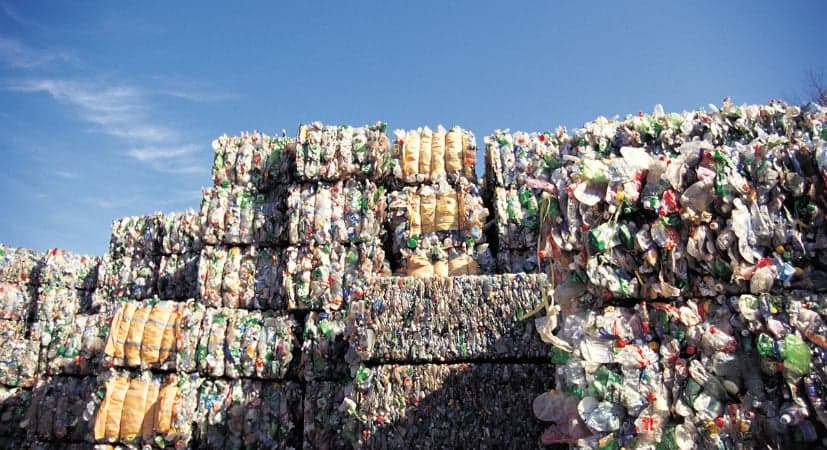
- ECE emphasizes the importance of sorting and recovering materials from waste, adopted by various countries including:
- West Germany
- Sweden
- Switzerland
- Britain
- United States
New Definitions and Principles:
- Introduction of the concept of "non-waste products":
- Must have long life spans
- Require minimal energy and materials
- Easy to recycle
- Examples provided:
- Milk bottles: Reusable bottles demonstrate significantly lower energy consumption when making multiple trips compared to non-returnable bottles.
- Bicycles: Considered a non-waste product due to their efficiency—faster than walking—while offering better performance than buses or cars in urban settings.
Environmental Significance:
- These developments reflect a shift toward more sustainable living and the circular economy, wherein waste is minimized, and materials are reused and reproposed, aligning with global trends in environmental conservation and resource management.
This summary encapsulates essential facts and figures relating to waste economics, sustainable product definitions, and comparative environmental efficiency.
Key Terms & Concepts
| U.N. Economic Commission for Europe | Conducted waste value assessment |
| France | Reported waste value statistics |
| $241 | Average value of household refuse |
| $200 worth of aluminium | Value derived from refuse component |
| $17 of steel | Value derived from refuse component |
| $12 of glass | Value derived from refuse component |
| $12 of paper | Value derived from refuse component |
| Sweden | Country implementing recycling |
| West Germany | Country implementing recycling |
| Switzerland | Country implementing recycling |
| Britain | Country implementing recycling |
| United States | Country implementing recycling |
| Non-waste products | Defined for waste management |