iAspirants
Current AffairsPrelims PYQsUPSC CSE SyllabusUPSC CSE StrategyBlogsPricing
Login
iAspirants
Current AffairsPrelims PYQsUPSC CSE SyllabusUPSC CSE StrategyBlogsPricingContact UsLoginSignUp
iAspirants

Your AI-powered companion for UPSC preparation.

Study Resources

  • Current Affairs
  • Prelims PYQs
  • UPSC CSE Syllabus
  • UPSC CSE Strategy
  • Blogs

Practice & Plans

  • Mains Answer Evaluation
  • Pricing
  • Sign Up
  • Login

Company

  • Home
  • About Us
  • Contact Us
  • FAQs

Legal

  • Privacy Policy
  • Terms & Conditions
  • Return Policy

© 2026 iAspirants, Inc. All rights reserved.

  1. Blogs
  2. Biodiversity

Rediscovery of Sonnerat's Shrew Species

Published on: 06-Dec-2025

Source: The Hindu

Share this post

Rediscovery of Sonnerat's Shrew Species

Article Summary

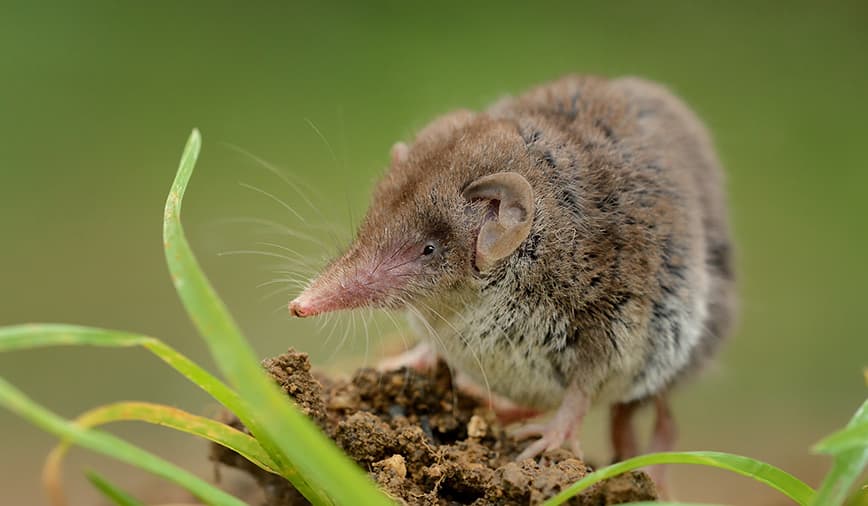
Rediscovery of Sonnerat's Shrew (Diplomesodon sonnerati)

  • Species Overview:

    • Common Name: Sonnerat's shrew
    • Scientific Name: Diplomesodon sonnerati
    • Initial Description: Identified in 1813 near Puducherry by French naturalist Pierre Sonnerat.
  • Photographic Record:

    • Date of Discovery: October 1, 2022
    • Location: Near Ooty Lake, Udhagamandalam, Nilgiris.
    • Condition: A photographic record of a dead specimen was captured, identified by researchers as morphologically distinct from other regional shrew species.
  • Distinct Characteristics:

    • Physical Attributes: Silky grey fur with a transverse white band across the mid-body and a stout, stubby tail.
    • Confirmed by Experts: Evaluation by experts, including Anthony Cheke and Paula Jenkins from the Natural History Museum, London.
  • Research Publication:

    • Journal: Iranian Journal of Animal Biosystematics
    • Title: “Rediscovery of an ‘extinct’ endemic mammal Sonnerat’s Shrew in Nilgiris, Tamil Nadu.”
  • Implications of Rediscovery:

    • Habitat Indications: Discovery suggests potential under-documented habitats for the species in the Eastern Ghats and Nilgiris foothills.
    • Research and Confirmation Needed: Additional trapping efforts and genetic analyses are essential to confirm the rediscovery, as no specimens have been collected for molecular corroboration.
  • Biogeographical Significance:

    • Range Implications: The specimen’s location (approximately 350 km from the original described site) suggests that the species might have a broader range than previously known.
    • Need for Further Research: Expansion of surveys across Nilgiris and surrounding areas to identify potential habitats.
  • Expert Opinions:

    • High-confidence record acknowledged by international experts due to unique pelage patterns not resembling known Indian shrew species.
    • The importance of this finding lies in its historical context as the first credible evidence of Sonnerat's shrew in over 200 years.

Conclusion

The documented sighting of Sonnerat's shrew highlights the significance of conservation efforts and the necessity for continued research in understanding biodiversity and species distribution in challenging environments like the Nilgiris. Further genetic studies and habitat assessments are critical for validating the rediscovery claim and promoting conservation strategies for this potentially extant species.

Key Terms & Concepts

Sonnerat's shrew (Diplomesodon sonnerati)Rediscovered shrew species
NilgirisHabitat of rediscovered shrew
October 1, 2022Date of rediscovery photograph
Iranian Journal of Animal BiosystematicsPublication of findings
350 kmDistance from original description
Eastern GhatsPotential habitat corridor
Bombay Natural History SocietyResearch organization involved
Genetic analysisNeeded for confirming rediscovery

Mind Map for UPSC Civil Services Revision

Turn UPSC Civil Services Current Affairs Into Exam-Ready Notes

Reading Biodiversity current affairs is half the work. Revise them with ready-made notes and test what actually stuck.

  • Daily UPSC Civil Services current affairs analysis
  • Revision notes, mind maps & MCQs
  • Prelims mock tests with instant results

Related UPSC Civil Services Current Affairs Articles

Critical Decline of Coral Reef Ecosystems
Environment and Ecology04-Nov-2026

Critical Decline of Coral Reef Ecosystems

News Summary on Coral Reefs and Marine Ecosystems

Key Findings:

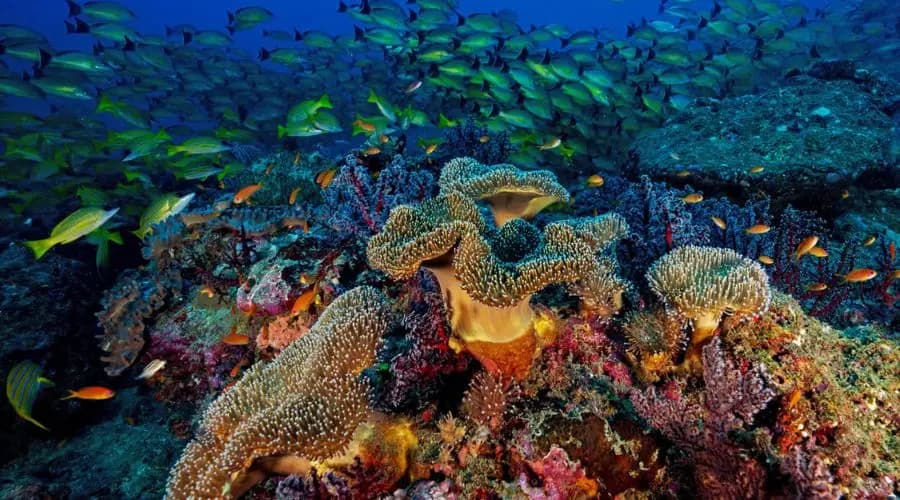
  • Coral Reef Status: The International Union for Conservation of Nature (IUCN) has assessed all 13 distinct coral reef ecoregions in South Asia as “critically endangered.” This includes significant regions in India, Bangladesh, Sri Lanka, the Maldives, and the Chagos Archipelago.
Practise Mains answer writingUpload a handwritten answer and get it evaluated
  • Area Coverage: These ecoregions cover over 8,000 square kilometers and approximately represent 4% of the world’s coral reefs.
  • Scientific Research:

    • Study Background: The study is based on 18 years of ground data predominantly provided by the Zoological Survey of India (ZSI) and represents the first comprehensive ecosystem assessment of its kind.
    • Authors and Contributors: Researchers from ZSI, including Dr. Tamal Mondal, led the study, which was published in the IUCN Red List of Ecosystems on October 22.

    Environmental Impact:

    • Threats: The research predicts that rising marine heatwaves and recurring mass bleaching over the next 50 years could push coral reefs past a point of no return, jeopardizing marine biodiversity.
    • Ecological Importance: Coral reefs are vital for maintaining marine ecosystems, often termed "marine rainforests" for their biodiversity contributions. Their extinction would lead to the collapse of related ecosystems, threatening fish populations and coastal protections.

    Methodology and Parameters:

    • The IUCN employs nine parameters to evaluate ecosystem risk, with ‘critically endangered’ marking a critical stage before extinction.

    Contributions from India:

    • India provided the largest national contribution to the IUCN's analysis, showcasing the country’s active role in marine ecosystem monitoring.

    Climate Change Context:

    • The assessments incorporate projections from IPCC climate scenarios, exacerbating the risks faced by coral reefs in the region.

    Conclusion

    This study underscores the urgent need for conservation efforts targeting coral reefs, especially considering their ecological significance and the potential impact of climate change. Collaboration among various scientific organizations and countries is crucial to mitigate further risks and preserve these vital marine ecosystems.

    Impact of Climate on Truffle Production
    Environment and Ecology04-Nov-2026

    Impact of Climate on Truffle Production

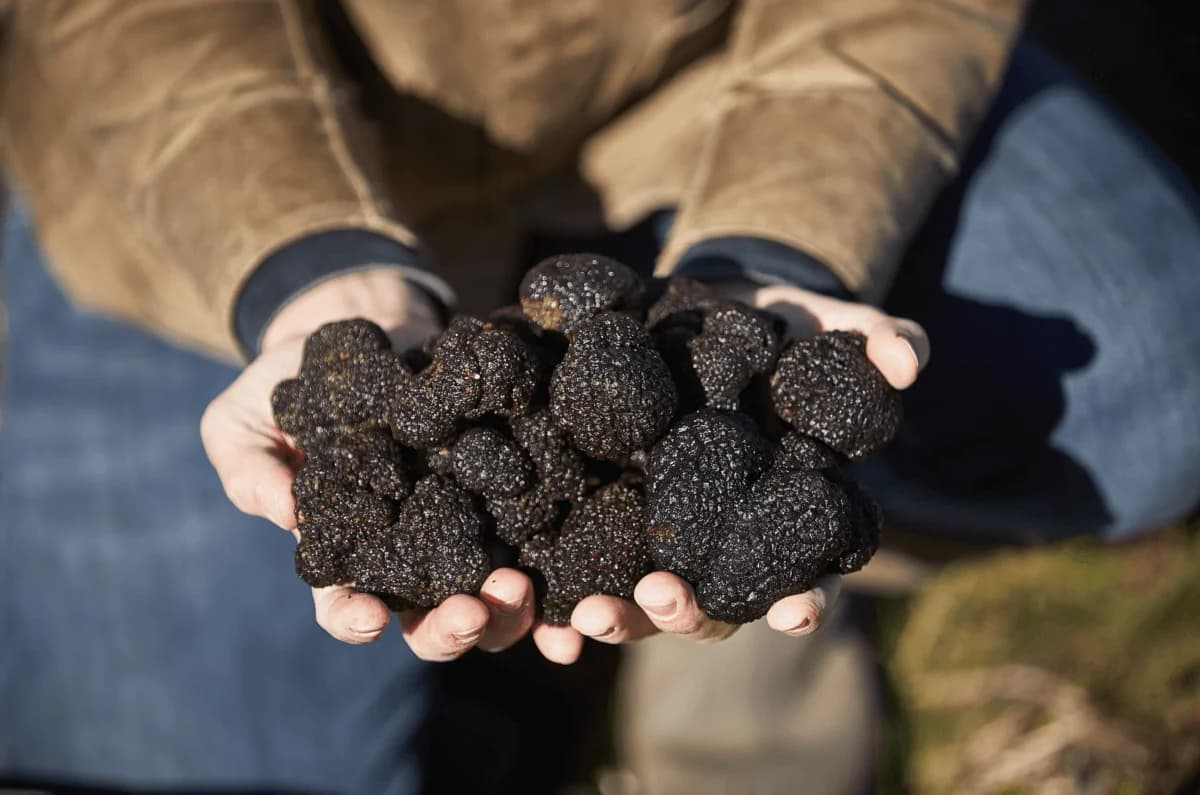
    • Climate Change Impact: Rising temperatures and drier summers are negatively impacting the growth and production of truffles, particularly in Italy's Piedmont region. This phenomenon is also observed in other agricultural products such as cocoa, coffee, and vanilla.

    • Historical Context of Food Extinction:

      • Passenger Pigeon: Once abundant in North America, the species was hunted to extinction, with the last individual dying in captivity in 1914.
      • Silphium: A herb favored by the Romans, it was so extensively consumed that it went extinct in the 1st or 2nd century CE.
    • Changing Agricultural Patterns:

      • In regions like Bordeaux (France) and Tuscany (Italy), warmer climates lead to early ripening of grapes, affecting wine flavor profiles.
    • Geographic Shift in Truffle Production:

      • Scotland is experiencing suitable conditions for truffle growth, offering a potential substitute for traditional Italian truffles as climate change constrains production in Southern Europe.
    • Biodiversity and Sustainable Practices: The situation underscores the importance of biodiversity in food production and the need for sustainable agricultural practices in the face of climate change.

    • Policy Implications: The loss of biodiversity affects food security and necessitates policies aimed at climate adaptation and the preservation of agricultural heritage.

    • International Agreements: Actions in response to climate change can be guided by international treaties such as the Paris Agreement, which aims to limit global warming and mitigate its impacts on ecosystems and agriculture.

    • Science and Technology: Innovations in agricultural science may provide new methods for cultivating truffles or other crops under changing climatic conditions, promoting resilience in food systems.

    These points highlight the interconnectedness of climate change, agricultural productivity, and historical precedents in food species extinction, marking significant themes for environmental sustainability discussions.

    Butterflies Facing Climate Change Challenges
    Environment and Ecology31-Oct-2026

    Butterflies Facing Climate Change Challenges

    Summary of Scientific Papers on Butterfly Monitoring and Climate Change

    Key Findings and Insights

    1. Shifts in Butterfly Populations:

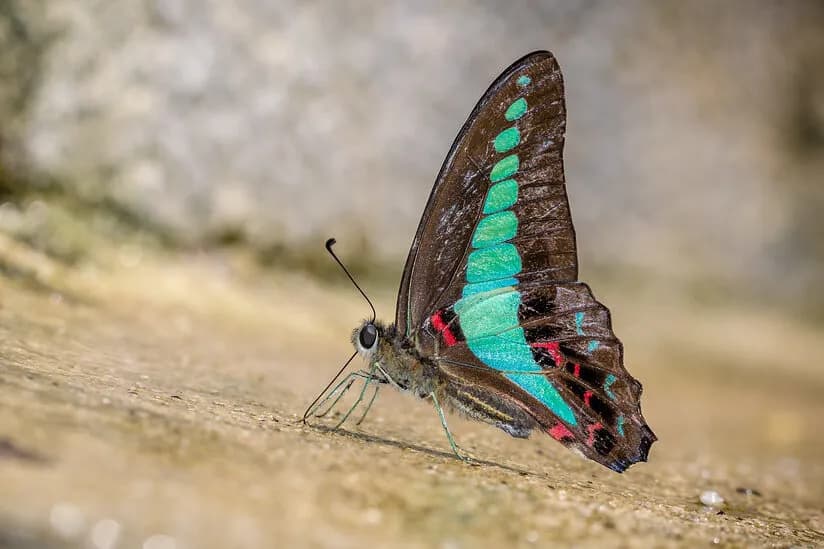
      • Three scientific papers suggest significant shifts in butterfly populations globally, indicating declining numbers in many regions.
      • Major shifts are correlated with climate change and habitat loss.
    2. Research Data:

      • Over 1,758 butterfly species across 105 countries were analyzed, representing slightly less than 10% of all known species.
      • Most species (80%) are expanding their ranges, primarily in tropical countries, but significant declines observed in North America and Europe.
    3. Statistical Overview:

      • The Conservation Letters paper, using data from over 45,000 monitoring time series, reported a 24% average decline in butterfly populations since 1995.
      • Data underrepresentation in tropical regions indicates uncertainty in trend estimates for these rich biodiversity areas.

    Reports Overview

    • "Extensive Climate-Induced Range Shifts in Butterflies Across the Globe":

      • Focus on climate change impacts on butterfly ranges.
      • Conducted by Shawan Chowdhury and Krushnamegh Kunte.
    • "A Framework for the Strategic Conservation of Tropical Insects" & "Addressing Gaps in Butterfly Population Monitoring":

      • Emphasize the need for substantial monitoring in tropical regions.
      • Highlight the importance of integrating citizen science into systematic data collection.

    Global Context

    • Monitoring Efforts:

      • The Indian Butterfly Monitoring Scheme (iBMS), launched in 2021, aims to systematically monitor butterfly populations in India.
      • iBMS is highlighted as a significant step towards addressing data deficiencies in tropical regions.
    • International Commitments:

      • India has signed on to global biodiversity conservation targets; effective monitoring is essential to assess conservation actions' effectiveness.

    Recommendations

    1. Expand Standardized Monitoring:

      • Urgent need for more comprehensive butterfly monitoring in tropical regions to substantiate conservation actions.
    2. Integrate Evidence into Conservation Planning:

      • Research advocates for structured integration of monitoring data into conservation strategies and protected area designs.

    Implications for Conservation

    • Butterfly monitoring is posited as essential, especially for developing nations.
    • The proactive approach will position India as a leader in tropical butterfly conservation and management, showcasing methodologies that can be emulated globally.

    This summary underscores the pressing need for improved monitoring and conservation of butterfly populations in the face of climate change, with a strong emphasis on the role of citizen science and strategic planning in biodiversity preservation.

    Greater Flamingos Spotted at Veeranam Lake
    Environment and Ecology27-Oct-2026

    Greater Flamingos Spotted at Veeranam Lake

    Summary of Findings on Greater Flamingos in Veeranam Lake

    Key Facts:

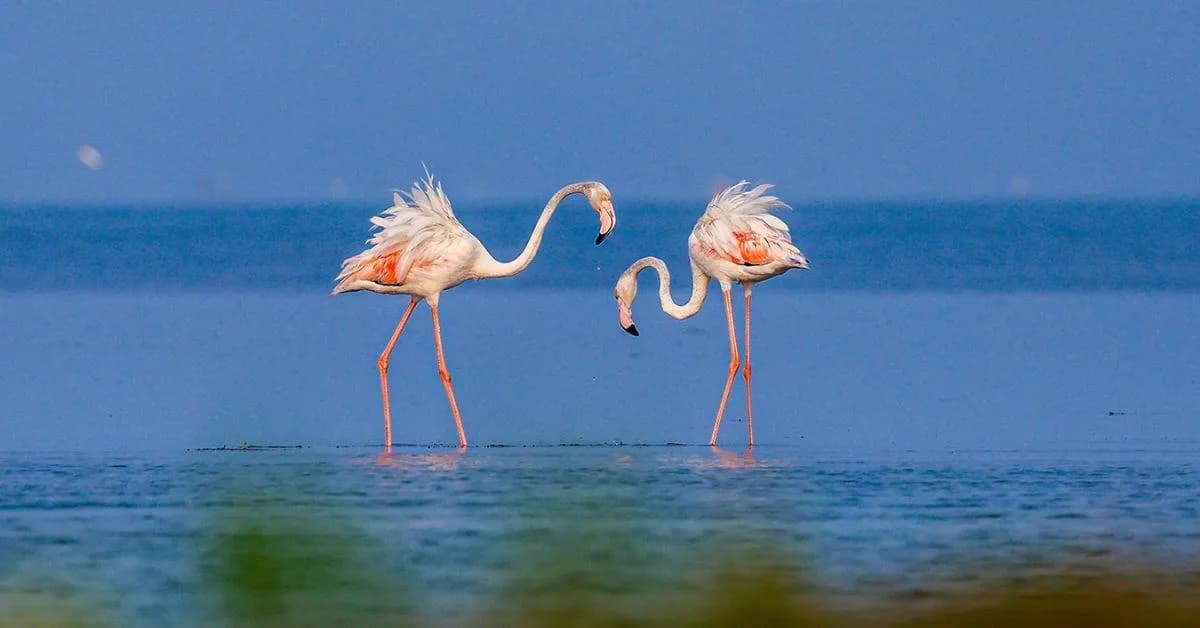
    • Species Observed: Greater flamingos.
    • Location: Veeranam Lake, Cuddalore District, Tamil Nadu.
    • Total Sighted: 18 greater flamingos.

    Contextual Information:

    • Migration Patterns:
      • Greater flamingos typically migrate from the Gulf of Kutch to the eastern coast of India during winter.
      • Normal coastal habitats include areas like Point Calimere Wildlife Sanctuary, Muthupettai Lagoon, and Pichavaram mangroves.

    Factors Influencing Altered Migration:

    • Super El Niño: Severe weather phenomenon affecting climate patterns, likely altering migration routes.
    • Water Deficit: Significant reduction in rainfall and river flow.
      • Cauvery River: Reduced flow contributing to dry coastal mudflats.
    • Monsoon Impact: Low rainfall during the Southwest monsoon season has exacerbated food scarcity in coastal habitats.

    Research Insights:

    • Foraging and Habitat Use:
      • The receding water levels at Veeranam Lake have created shallow areas favorable for greater flamingos to forage.
      • Plankton and other food resources may be concentrated due to evaporation, making the lake a temporary feeding ground during migration.

    Future Monitoring Requirements:

    • Continuous monitoring of greater flamingos is essential to understand:
      • How these coastal species adapt to using inland wetlands under stress conditions of coastal ecosystems.
      • The sustainability of Veeranam Lake as a habitat during their migratory period.

    Implications:

    These observations highlight the impact of climatic changes on wildlife behavior and habitat use, which may inform conservation strategies and environmental policies regarding wetland management and the protection of migratory bird routes.