iAspirants
Regional Security Dynamics in West Asia
Published on:
Share this post
Article Summary
International Relations and Security in West Asia: Key Points
Context of Conflict:
- The ongoing military operations led by the USA and Israel against Iran have entered their second month.
- There are differing perspectives in Washington, D.C., and Tel Aviv regarding objectives and the timeline for military engagement.
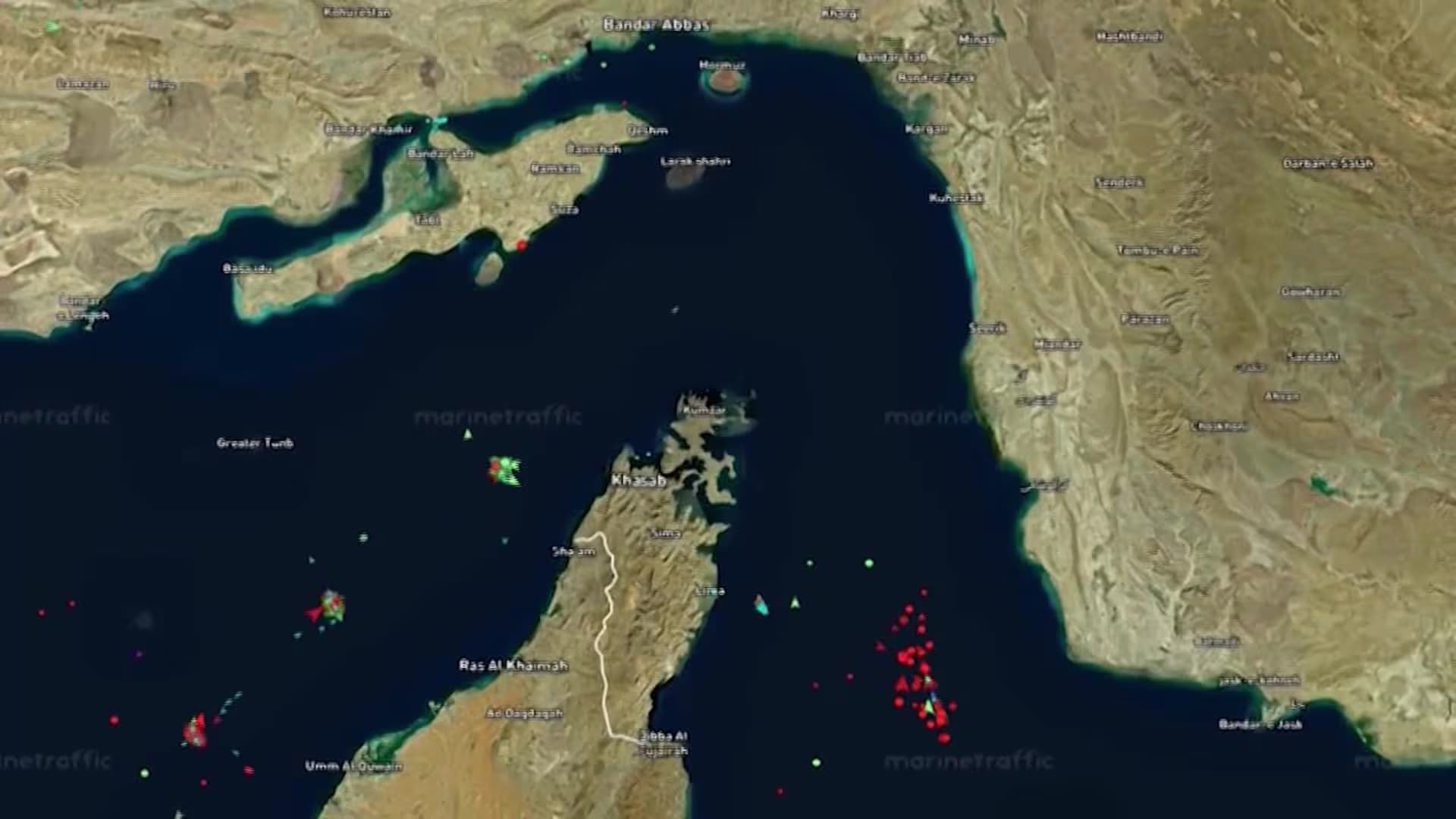
Strait of Hormuz:
- Iran’s aggressive military posture includes a "scorched earth" strategy targeting U.S. interests across the Persian Gulf, amplifying calls for a strategic reevaluation of security in the region.
Iran's Regional Influence:
- Iran has historically warned that regional conflicts may arise if it is threatened, significantly altering the security dynamics of West Asia.
Pakistan's Mediation Role:
- Pakistan is attempting to position itself as a mediator between Iran and the USA, leveraging its nuclear status and recent diplomatic engagements with Middle Eastern nations, including Türkiye, Saudi Arabia, and Egypt.
Kuwait's Criticism:
- Kuwait has openly criticized the efficacy of the Arab League to address contemporary security challenges, underscoring intra-Gulf tensions.
Security Cooperation Among Arab Nations:
- Recent meetings among Saudi Arabia, Jordan, and Qatar emphasize a collective approach to enhancing security cooperation amidst previous hostilities, such as the Saudi-Qatar blockade.
U.S. Involvement and Its Implications:
- The lack of adequate U.S. support during recent escalations (e.g., the 2019 drone attack on Saudi oil facilities) has prompted Gulf states to reconsider their dependency on American military backing.
- The Trump administration has suggested that Gulf nations should share financial burdens for ongoing military conflicts, indicating a shift in U.S. engagement strategies.
Future of West Asian Security Architecture:
- Post-conflict, fundamental questions about the security framework in West Asia emerge, including the feasibility of a cooperative system without Iran's participation.
- Potential shifts in energy dependencies are anticipated, with Asian economies, including India, becoming more central to the Gulf's economic strategies.
Air Power Dominance:
- Israel’s military capability presents ongoing security concerns for Gulf states, especially in the context of its operations stretching from the Red Sea to the Persian Gulf.
International Energy Market Dynamics:
- The U.S. has gained significant energy self-sufficiency, impacting its role and leverage in international oil pricing and global energy markets.
This ongoing conflict poses complex questions about cooperation, security alignment, and economic dependencies that could reshape the geopolitical landscape of West Asia dramatically.
Key Terms & Concepts
| Strait of Hormuz | Key strategic waterway |
| U.S.-Israel military strikes | Current military operations |
| Iran's 'scorched earth' policy | Iran's military response tactic |
| Foreign Ministers of Türkiye, Saudi Arabia, and Egypt | Regional diplomatic gathering |
| Arab League | Regional political organization |
| 2019 drone attack on Saudi oil facilities | Key security incident |
| American energy self-sufficiency | U.S. energy policy impact |
| 2016 normalization | Bilateral relations between Iran and Saudi Arabia |
| Pakistan's nuclear capability | Strategic military position |
| 2023 détente brokered by China | Diplomatic intervention |