iAspirants
Renovation Threatens Ancient Artifacts
Published on:
Share this post
Article Summary
Summary of Key Points
Historical Artifacts and Preservation Issues
- Location: Egmore Government Museum, Chennai, Tamil Nadu.
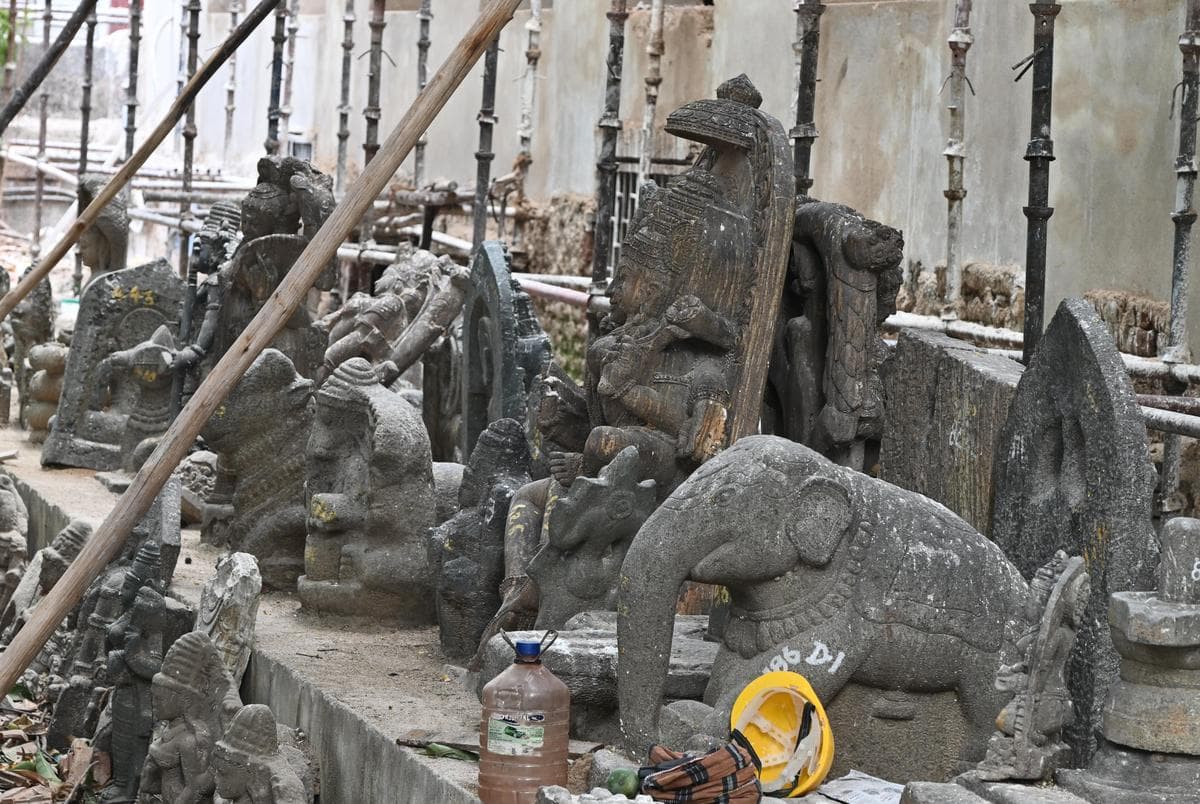
- Artifacts: Numerous ancient idols and sculptures, some over 1,500 years old, seized by the Idol Wing of the Tamil Nadu Police.
- Current Condition: Renovation work is causing damage to these artifacts, with reports of construction equipment being situated amongst the idols, leading to their deterioration.
- Substantial Damage: The Geology Wing of the museum, dating back to 1851, has reportedly sustained 60% damage and measures approximately 5,500 square feet.
Government Involvement and Policies
- Idol Wing's Role: The Idol Wing is responsible for the retrieval and maintenance of seized artifacts but is criticized for inadequate care in storage and preservation.
- Public Concerns: Activists and historians have been vocal about the need for better conditions and preservation strategies for these artifacts. Calls have been made for establishing a 'Friends of the Museum' initiative to assist in enhancing the museum's facilities.
- Official Statements: N. Sundararajan, Assistant Director, Department of Museums, noted that the Idol Wing should oversee the upkeep of these artifacts.
Art Historical Significance
- Cultural Heritage: The artifacts include a variety of sculptures from the Chola and Hoysala periods, reflecting the intricacy of Indian artistry and significant cultural heritage.
- Legal and Ethical Considerations: The ongoing neglect and mismanagement exemplify the challenges facing museum authorities regarding the conservation of national heritage assets.
Public Response and Activism
- Social Media Engagement: Public outcry has increased, with social media posts highlighting the plight of these historical artifacts leading to broader awareness.
- Activist Voices: Regular visitors and historians have expressed their concerns over the negligence and advocated for protective measures for invaluable cultural heritage objects.
Historical Context
- Cultural Timeline: The artifacts are estimated to date from the 3rd century and include pieces influenced by Central Indian styles and Buddhist traditions dating back to potentially before the 17th century.
- Significance of Artifacts: The museum houses not only significant Indian sculptures but also valuable collections like the largest assortment of ancient Roman coins outside of Rome.
Conclusion
The Egmore Government Museum is at a critical juncture concerning the preservation of its historical artifacts. The responsibility lies with both the authorities and the community to advocate for and implement robust policies to ensure the protection and proper management of Tamil Nadu's invaluable cultural heritage. Continued dialogue about necessary reforms and protective measures is essential for maintaining the integrity of these historical treasures.
Key Terms & Concepts
| Egmore Government Museum | Location of artifacts |
| Idol Wing of Tamil Nadu Police | Seized artifacts for preservation |
| 1851 | Year of museum construction |
| 60% | Extent of structural damage |
| 5,500 square feet | Size of museum structure |
| Chola Period | Cultural reference for artifacts |
| 11th to 18th Century | Era of many sculptures |
| Friends of the Museum initiative | Proposed support for museum |
| Central Indian influences | Artistic influence on artifacts |
| Chola-era bronzes | Type of historical artifacts |
| Largest collection of ancient Roman coins | Notable museum collection |