iAspirants
Repatriation of Buddha Relics to Leh
Published on:
Share this post
Article Summary
Summary of Key Facts and Significance Regarding Piprahwa Relics
Historical and Cultural Context
- Location of Discovery: Relics were discovered in 1898 at Piprahwa, Uttar Pradesh.
- Significance: These relics are paramount to Indian Buddhism, linking them to the Sakya clan, the Buddha's own lineage.
- Cultural Recovery: Repatriated to India in 2025, this marks 127 years since their initial removal and follows an attempted auction in Hong Kong.
Arrival Details
- Date of Arrival: Scheduled for Buddha Purnima, which occurs in April or May (exact date varies yearly).
- Location: Leh, Ladakh, a historical Buddhist frontier that has played a critical role in the dissemination of Buddhism across Asia.
Geopolitical Significance
- Ladakh's Historical Role: Positioned at the crossroads connecting India to China and Central Asia, Ladakh facilitated the exchange of culture, knowledge, and religious ideas.
- Cultural Interactions: Historically, the region served as a conduit for Buddhist monks, merchants, and art forms along with manuscripts and different traditions.
Archaeological Evidence
- Buddhist Presence: Significant sites in Ladakh reflect ancient Buddhist influence, including stupas, inscriptions, rock carvings, and sculptures such as the Maitreya at Mulbek.
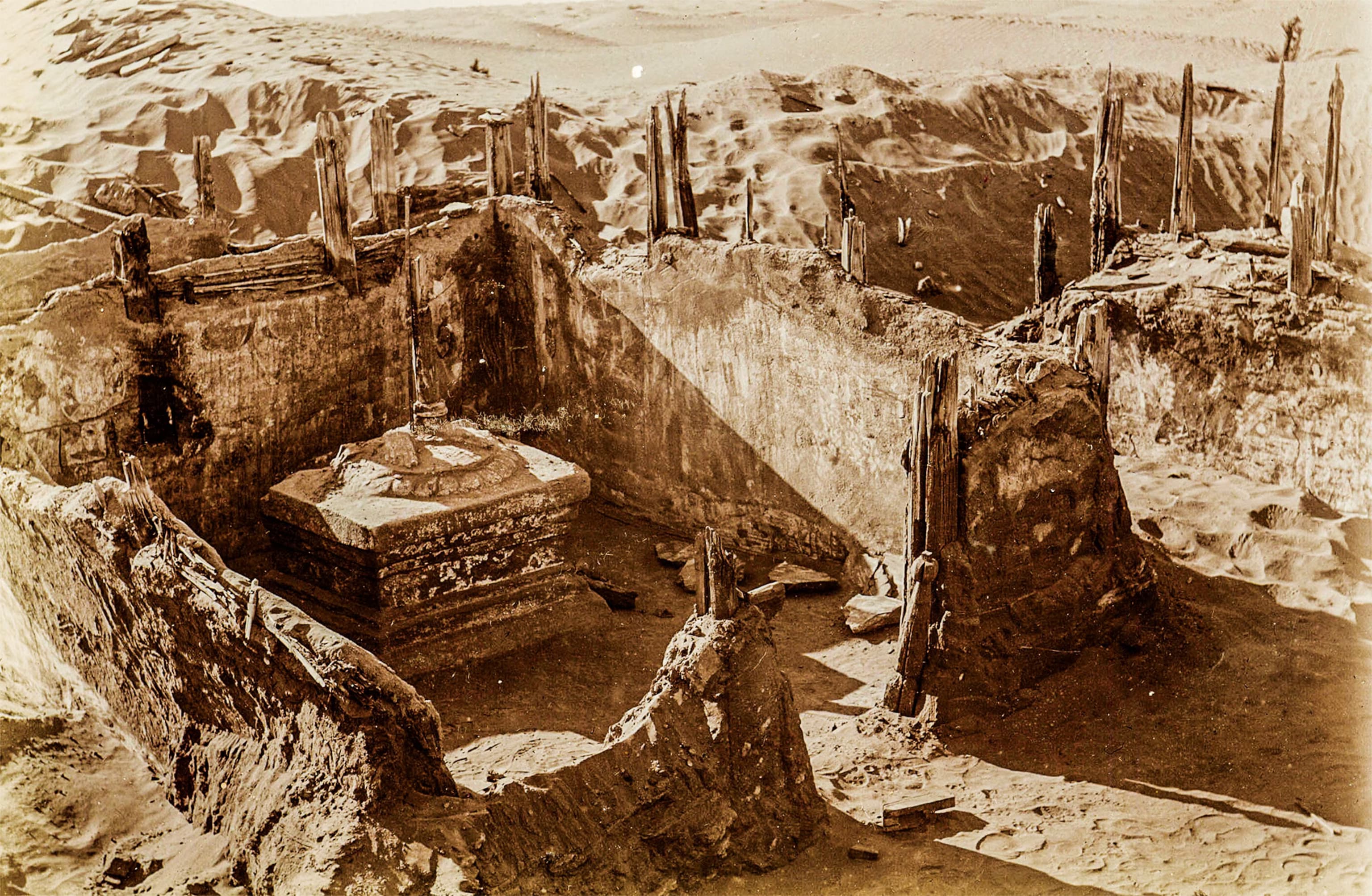
- Influence of Khotan: This ancient Buddhist kingdom in present-day Xinjiang was integral in the trans-Asian spread of Buddhism, enhancing India's influence in the region.
Diplomatic Implications
- Buddhist Diplomacy: India positions Buddhism as part of its civilizational outreach; the return of the relics emphasizes the need to view Ladakh as a critical heritage region, not just a militarized zone.
- Cultural Preservation: The event symbolizes a recognition of Ladakh's role in preserving and transmitting India's Buddhist heritage, urging the government to prioritize heritage over defense strategies.
Broader Implications
- Civic Engagement: The veneration of these relics transcends a mere devotional act, highlighting the importance of historical recovery.
- Need for Heritage Recognition: Advocates for an inclusive approach to recognize regions like Ladakh that contributed significantly to India’s cultural and historical narrative.
Overall, the arrival of the Piprahwa relics in Ladakh is a pivotal moment, blending cultural recovery with the reaffirmation of India's rich Buddhist heritage and its implications for civilizational diplomacy.
Key Terms & Concepts
| Piprahwa | Site of relic discovery |
| Ladakh | Cultural heritage zone |
| Buddha Purnima | Date of relic arrival |
| 2025 | Year of relic repatriation |
| Sakya clan | Buddha's clan tradition |
| Khotan | Ancient Buddhist kingdom |
| Ashokan-era | Historical Buddhist expansion period |
| Maitreya at Mulbek | Iconic Buddhist sculpture |
| Kargil | Region with Buddhist traces |
| Tarim Basin | Oasis kingdoms linked to Buddhism |