iAspirants
Return of Buddha Relics to India
Published on:
Share this post
Article Summary
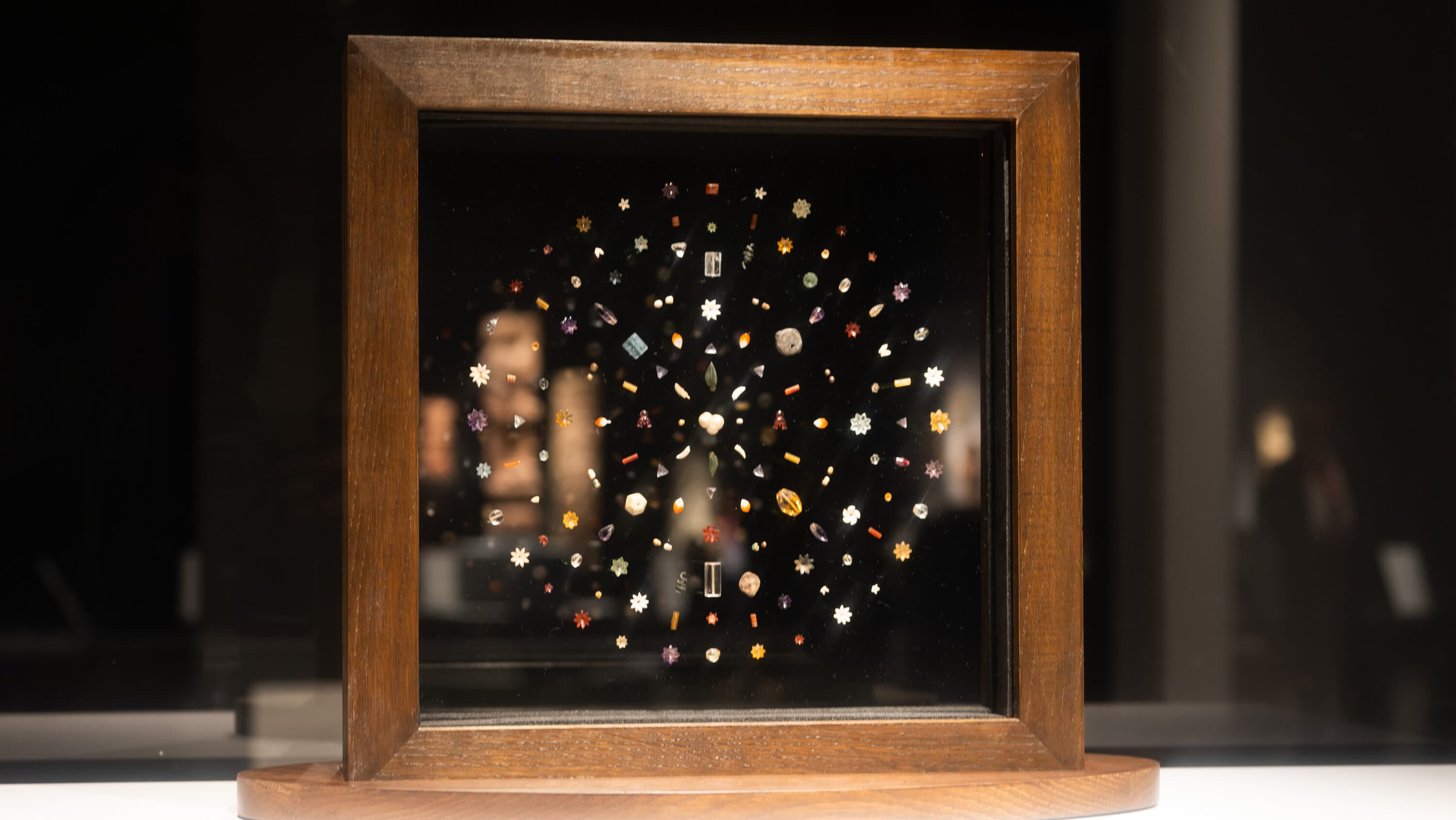
Event Details: Inauguration of the "Grand International Exposition of Sacred Piprahwa Relics" related to Gautam Buddha, titled “The Light & the Lotus: Relics of the Awakened One”. Held at Rai Pithora Cultural Complex, the exposition marks the return of India’s sacred heritage after 125 years.
Significance of Relics: The Piprahwa relics, discovered in 1898, are crucial to the archaeological study of early Buddhism. They are associated with ancient Kapilavastu, significant as the location of Buddha’s early life.
Government Intervention: The return of these relics was facilitated by the Indian government and the Godrej Group, which prevented the relics from being auctioned in Hong Kong.
Cultural and Spiritual Impact: PM Modi emphasized the importance of these relics as a vital part of India's civilizational heritage rather than mere artefacts. He noted their journey to various countries including Vietnam, Thailand, and Russia, indicating deep international connections through faith and spirituality.
PM Modi’s Personal Connection: Modi expressed his personal links to Buddhist heritage, referencing his birthplace, Vadnagar, as a center of Buddhist studies and his legislative seat in Varanasi, near Sarnath (site of Buddha's first sermon).
Government Initiatives:
- Efforts to ensure Buddhist heritage is preserved and transmitted to future generations.
- Promotion of international Buddhist events such as the Global Buddhist Summit, Vesak, and Ashadha Purnima.
- Granting classical language status to Pali to enhance accessibility and understanding of Buddhist teachings.
Judicial and Educational References: No judicial rulings were mentioned. However, the move to recognize Pali language reflects an educational policy aimed at improving research and comprehension of Buddhist texts.
International Relations: Modi highlighted global connections fostered through Buddhism, enhancing India’s diplomatic ties with countries having significant Buddhist populations.
Historical Context: The PM's remarks encapsulate a historical narrative linking India to Buddhist heritage, influencing both national identity and international cultural diplomacy.
Economic Implications: The return of these relics could boost tourism and cultural heritage education, thereby contributing positively to the local and national economy.
Outlook for the Future: PM Modi expressed hope that the return of the relics could lead to a new era of peace, prosperity, and harmony from the year 2026 onwards, showcasing a long-term vision for intercultural understanding.
This summary encapsulates the cultural significance of the Piprahwa relics, the government's efforts in heritage preservation, and the broader implications for India's identity and international relations.
Key Terms & Concepts
| Piprahwa Relics | Ancient artifacts of Buddhism |
| Gautam Buddha | Central figure in Buddhism |
| Godrej Group | Prevented auction in Hong Kong |
| Lumbini | Buddha's birthplace in Nepal |
| Sarnath | Location of Buddha's first sermon |
| Pali | Language of Buddha's teachings |
| Global Buddhist Summit | Promoting Buddhist heritage |
| Vesak | International Buddhist celebration |
| Ashadha Purnima | Buddhist religious observance |
| 125 years | Duration since relics last in India |