iAspirants
Return of Buddha Relics to Ladakh
Published on:
Share this post
Article Summary
Key Facts and Highlights
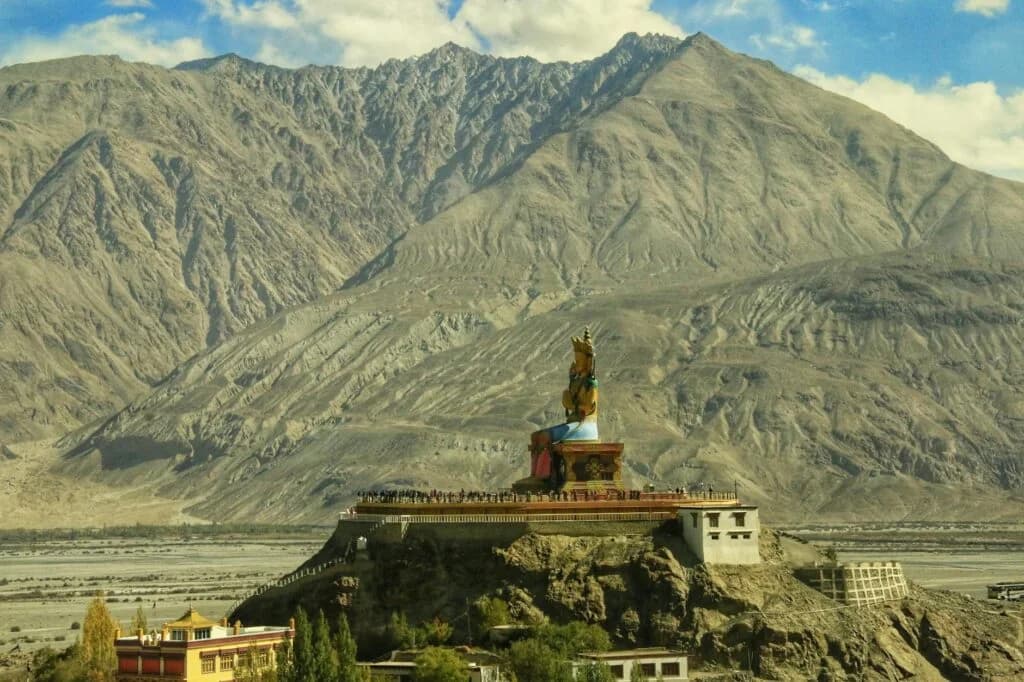
Historic Reunion: The sacred relics of Gautama Buddha returned to Leh, Ladakh, after 75 years, coinciding with the Buddha Purnima celebrations, marking a significant cultural and spiritual event.
Buddha Purnima Significance: Celebrated on the full moon day in April or May, it commemorates the birth, enlightenment, and parinirvana (passing away) of Buddha, one of the holiest days for Buddhists.
Historical Background: The relics were previously brought to Leh in 1950 following a request by Ngawang Lobzang Thupstan Chognor (Kushok Bakula Rinpoche) to then Prime Minister Jawaharlal Nehru. The initial exhibition had limited access due to poor connectivity.
Cultural Significance:
- Amit Shah emphasized Ladakh's heritage as a "living land of dharma" and a center for preserving Buddhist knowledge.
- The region is noted for its historical role in transmitting Buddhist teachings along the Silk Route to China and beyond.
- Kashmir was also historically significant for Buddhist learning and Mahayana philosophy.
Government Actions: Shah urged the Ladakh administration to facilitate arrangements for individuals of all faiths to pay respects to the relics during their 15-day exhibition.
Community Involvement: Local residents are expected to visit the relics in a staggered manner, reflecting communal participation in the event.
Spiritual Observations: Tsering Dorjay Lakrook, president of the Ladakh Buddhist Association, mentioned the celestial signs (cloud clearing and a rainbow) that greeted the arrival, underscoring local beliefs in auspicious occurrences tied to the relics.
Additional Information
Relics' Historical Context: Upon Buddha's death, his remains were claimed by eight factions. A Brahmin named Drona is said to have divided the ashes into eight parts, each stored under a stupa.
Regional Development: Improved infrastructure and connectivity in Ladakh now allows broader access to cultural and religious sites, enhancing spiritual connections within the community.
Implications
Cultural Preservation: The return of the relics symbolizes the effort to preserve and promote Buddhist cultural heritage in the region.
Tourism Potential: The event has the potential to boost religious tourism in Ladakh, attracting visitors and pilgrims from various backgrounds.
Interfaith Harmony: Shah emphasized the importance of peace and coexistence through spirituality, suggesting the relics’ presence might foster interfaith dialogue and unity amidst regional conflicts.
Conclusion
The return of Gautama Buddha's relics serves as a moment of reunion and spiritual significance for the people of Ladakh, spotlighting the region's rich Buddhist heritage while fostering a sense of community and celebration among diverse faiths.
Key Terms & Concepts
| Buddha Purnima | Important Buddhist celebration |
| Ladakh | Region preserving Buddhist heritage |
| 1950 | Year relics first brought |
| Ngawang Lobzang Thupstan Chognor | Requested relics' return |
| Emperor Ashoka | Influential figure in Buddhism |
| Silk Route | Key trade route for Buddhism |
| Dalai Lama | Symbol of Buddhist compassion |
| Spituk Monastery | Location of relic exhibition |
| Kashmir | Former Buddhist learning center |
| 15 days | Exhibition duration for relics |
| Buddhist philosophy | Concept spread to China |