iAspirants
Reviving Tripura's Classical Music Heritage
Published on:
Share this post
Article Summary
Summary of Tripura’s Musical Heritage and AI Innovations
Historical Context
- Tripura’s royal history spans over 1,500 years, with a strong connection to Indian classical music.
- Notable rulers like Maharaj Birchandra Kishore Manikya and Maharaj Bir Bikram Kishore Manikya contributed to its vibrant Hindustani music scene.
- The state merged with the Indian Union in 1949, leading to shifts in its musical culture.
- Classical music saw a decline in the 1980s due to political changes and a focus on popular music.
Evolution through Politics and Culture
- The rise of the Left Front government in 1978 promoted socially rooted cultural forms, influencing popular figures like Rabindranath Tagore and Kazi Nazrul Islam.
- The 1990s economic liberalization witnessed the influx of electronic and Bollywood music, further pushing classical music away from mainstream attention.
Revival of Classical Music
- In recent years, efforts, including those from cultural organizations (e.g., Sanskar Bharati) and researchers, have led to a resurgence of interest in classical traditions.
AI Innovations in Music
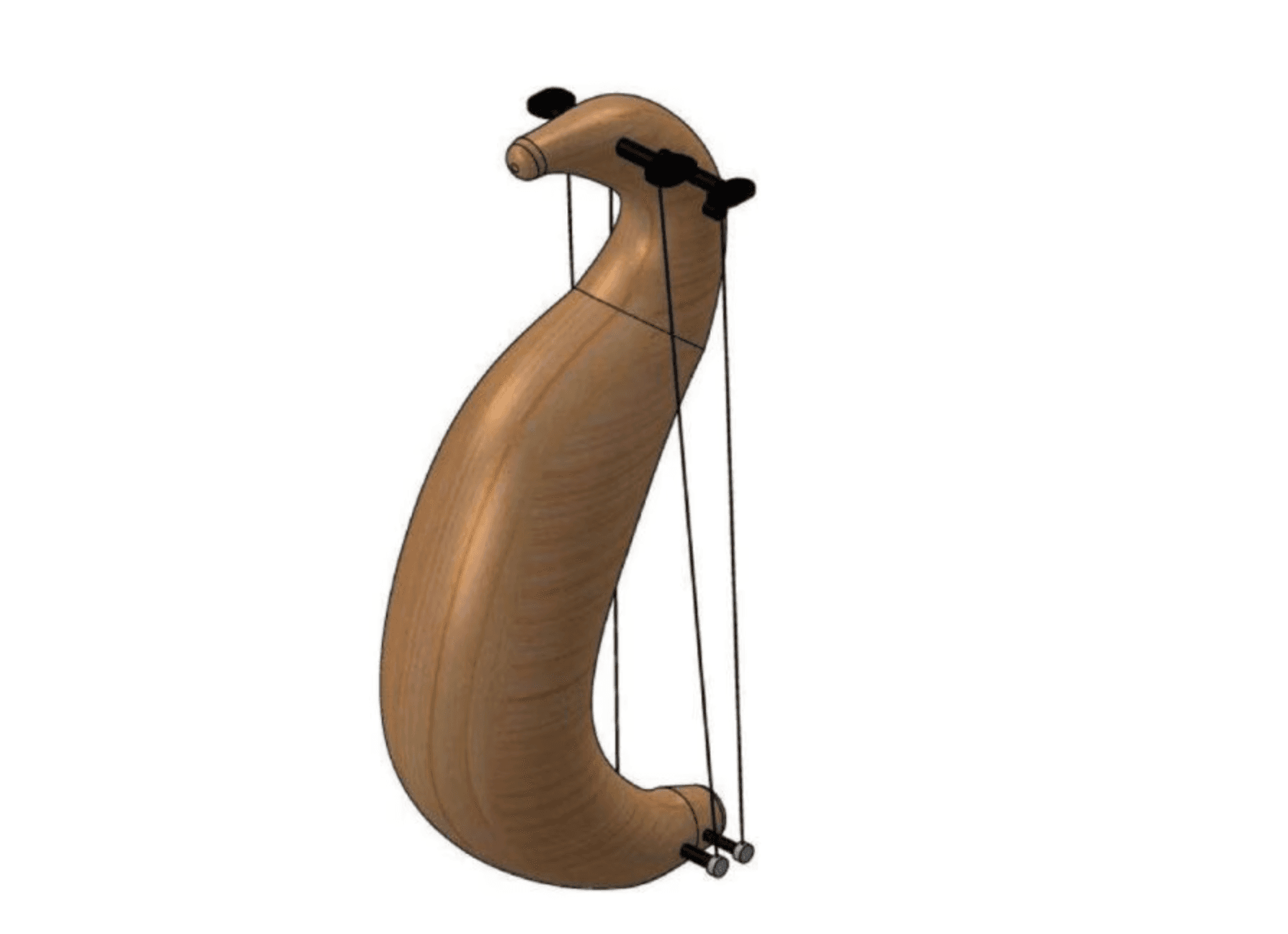
- Three researchers from Tripura, including Prof. Dr. Rabindra Bharali, are pioneering the development of AI-based musical instruments using local bamboo resources.
- Their innovations include an instrument that interacts with a musician in real-time, capable of adjusting sound and tone based on playing style.
- This instrument is patented, becoming the first of its kind in India to utilize AI for musical interaction.
Technical Features
- It can predict environmental impacts on tuning due to temperature and humidity fluctuations and alert users.
- Capable of creating dynamic background music based on the guitarist's performance, enhancing therapeutic music potential for conditions such as autism.
Instrument Development
- The team has designed over 10 new instruments using local materials, focusing on elevating traditional Tripuri instruments like the Tipperah flute and chongpreng to better suit classical music performances.
Cultural Significance and Criticism
- Innovators aim to ensure that the instruments maintain the authenticity of Tripura’s music while leveraging AI to enhance capability.
- Mixed responses have emerged, with some musicians advocating for innovation while others stress maintaining the integrity of traditional music forms.
Conclusion
The blending of traditional music heritage with modern technology, particularly AI, is being explored in Tripura, affirming the importance of innovation in preserving and evolving cultural legacies.
Key Terms & Concepts
| Tripura Kingdom | Historical context of music |
| Indian Union | Formation date of state |
| Maharaj Birchandra Kishore Manikya | Promoted classical music |
| Ustad Alauddin Khan | Influential guru in music |
| AI-based string instrument | Innovative musical development |
| Indian Patent Office | Patent registration authority |
| Prof. Dr Rabindra Bharali | Lead researcher in instrument design |
| Tripura University | Academic institution involved |
| Music therapy | Application for therapeutic purposes |
| Padma Shri | Award for cultural preservation |
| Tripura's bamboo resources | Material for instrument innovation |
| AI in music | Technology influencing creation |