iAspirants
Rise in Nilgiri Tahr Population
Published on:
Share this post
Article Summary
Summary of the Nilgiri Tahr Population Estimation and Conservation Efforts
Population and Growth Statistics:
- Current Population Estimate: 1,364 Nilgiri Tahr individuals (April 2026).
- Percentage Increase: 4.68% from the previous year (1,303 in 2025; 1,031 in 2024).
- Confidence Interval: 95% confidence range of 869 to 2,465 individuals.
Geographical Distribution:
- Primary Habitats: Southern Western Ghats, specifically Tamil Nadu and Kerala.
- Pollachi Forest Division: Highest population with 438 individuals.
- Udhagai Division (Mudumalai Tiger Reserve): Second highest with 313 individuals.
- Tiruppur Division: Supported a population of 148 individuals.
- Concentration Areas:
- Anamalai Hills: 44.87% of the population.
- Nilgiris landscape: 29.25% of the population.
Demographics:
- Adult Females: 38.4% of the observed population.
- Adult Males: 34.6%, resulting in a male-to-female ratio of 55:100.
- Yearlings: 15.5%, Young animals: 11.5%.
Conservation Status:
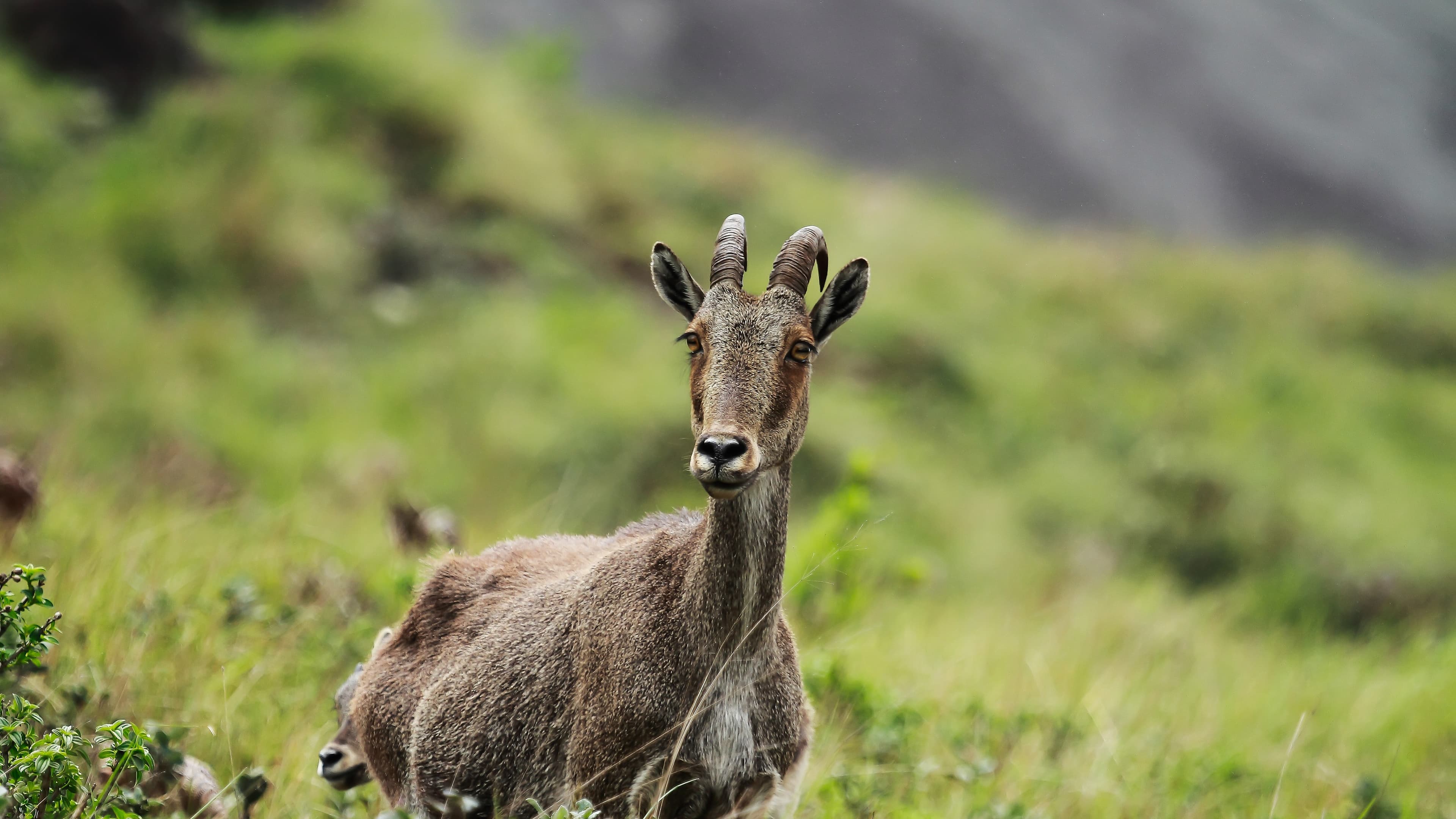
- Endangered Species: Nilgiri Tahr (Hemitragus hylocrius) has the highest protection under the Wildlife Protection Act.
- Ecological Role: Plays a vital part in nutrient cycling within high-altitude mountain ecosystems.
- Challenges: Distribution is fragmented, with populations now existing in scattered habitats.
Project and Methodology:
- Estimation Conducted By: Tamil Nadu Forest Department as part of Project Nilgiri Tahr (April 24-27, 2026).
- Area Covered: 14 forest divisions.
Legal Framework:
- Wildlife Protection Act: The Nilgiri Tahr is protected under this act, which emphasizes the conservation of endangered species and their habitats.
This estimation exercise highlights the ongoing efforts to monitor and conserve the Nilgiri Tahr population, reflecting a positive recovery trend after previous years' data, underscoring the importance of sustainable practices and effective wildlife management policies.
Key Terms & Concepts
| Nilgiri Tahr | Endangered species population count |
| 1,364 individuals | Current estimated population |
| 4.68% | Population increase percentage |
| Wildlife Protection Act | Legal protection status |
| Pollachi Forest Division | Division with highest population |
| 438 individuals | Population in Pollachi Division |
| Mudumalai Tiger Reserve | Second highest population area |
| 313 individuals | Population in Udhagai Division |
| 15.5% | Yearlings percentage in population |
| 11.5% | Young animals percentage in population |
| Kanyakumari to Nilgiri Hills | Distribution range of Nilgiri Tahr |
| Project Nilgiri Tahr | Conservation initiative |