iAspirants
Rising Concerns Over Women's Safety
Published on:
Source: The Hindu
Share this post

Article Summary
Summary of Key Points:
Constitutional and Legal Context:
- Gender Rights: Issues relating to women's safety and harassment reflect broader concerns under Articles 14 (Right to Equality), 19 (Freedom of Speech), and 21 (Right to Life and Personal Liberty) of the Indian Constitution.
Current Events and Societal Issues:
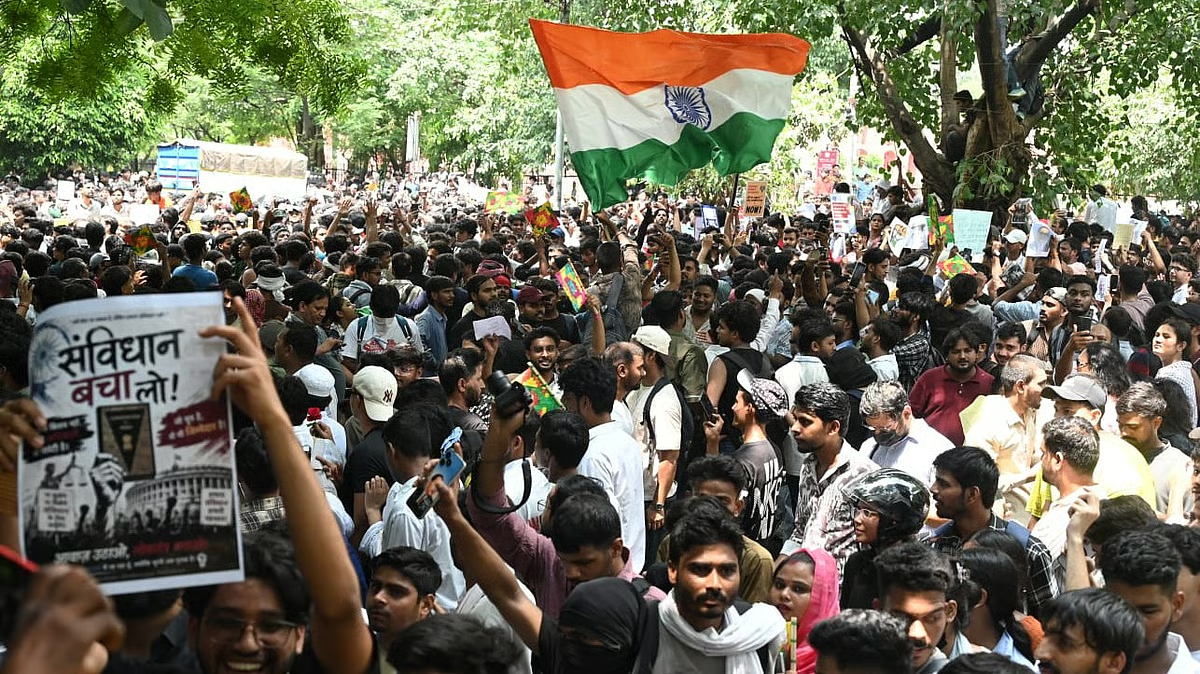
- Protests and Marches: A women-only march at Lady Shri Ram College on September 23 highlighted concerns regarding personal safety for women in public spaces, motivated by recent incidents of sexual harassment.
- Harassment Incidents: Reports of regular street harassment near popular commuting spots, showing systemic issues with public safety for women.
Impact of Gender-Based Violence:
- Fear and Caution: Women, including students and journalists, are adjusting their daily behavior and attire based on perceived safety; many opt for safer commuting options, alarmed by experiences of harassment.
- Notable Cases: A gang rape incident in Astha Kunj Park involving a 17-year-old girl and the deaths from a building collapse in Satya Niketan point to urgent public safety concerns.
Law Enforcement Response:
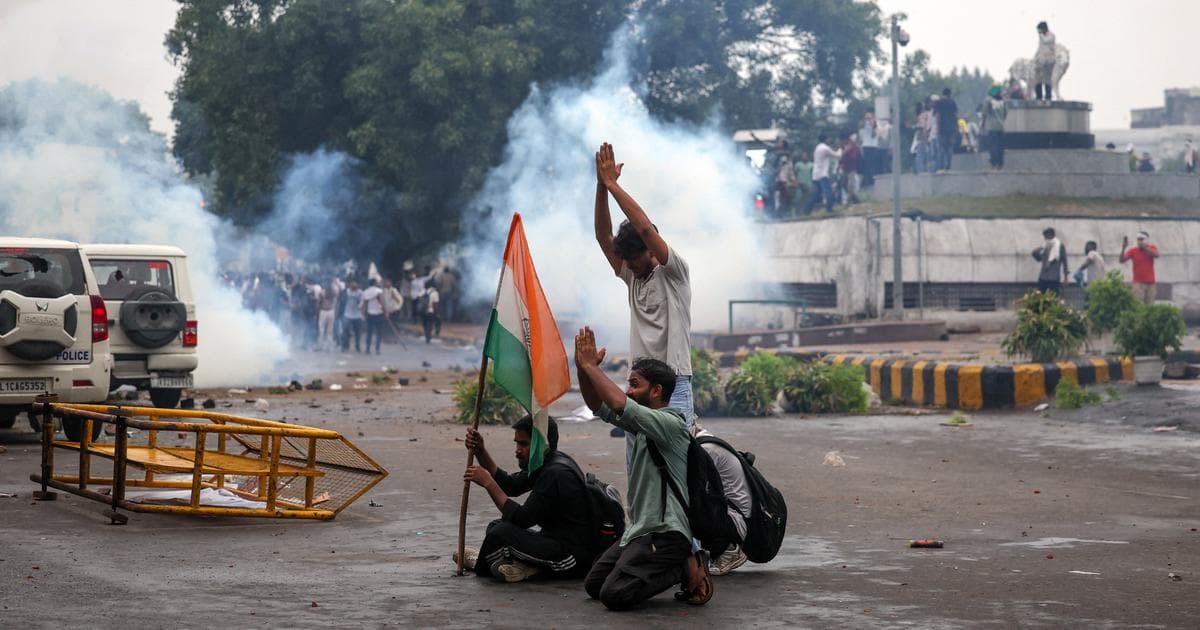
- Police Dynamics: Encounters with police during protests can lead to situations where crowd control may be perceived as intimidation; individuals, including women journalists, report being treated with physical force during detentions.
- Disparity in Treatment: Accounts suggest a gendered experience in police interactions, raising concerns about the safety and treatment of women during law enforcement operations.
Personal Narratives:
- Perception of Safety: Women journalists navigate safety anxieties in their work environments and decisions, revealing the societal pressures and dangers they face in their professional roles.
- Family Concerns: Parental anxiety around safety remain heightened, particularly in professions that expose women to public and potentially dangerous situations.
Socio-Cultural Reflections:
- Changing Workplace Dynamics: Female journalists expressing concerns about proper attire or accessibility to job opportunities reflect ingrained societal gender biases and fear of judgment.
- Tradition vs. Professionalism: The necessity for women to adjust their appearance and behavior in professional environments underscores the ongoing societal pressures and expectations related to gender.
Conclusion:
Systematic harassment and gender-based violence remain critical issues in India, impacting women's rights, safety, and freedoms. Activism and societal protests serve as crucial responses against these injustices, emphasizing the need for policy reforms and improved policing standards to protect women's safety and uphold their constitutional rights.
Key Terms & Concepts
| Astha Kunj Park | Location of alleged crime |
| Lady Shri Ram College for Women | Participants of women-only march |
| Nehru Place metro station | Nearby location during harassment |
| Moolchand metro station | Location for reported harassment |
| Durgabai Deshmukh South Campus metro station | Gathering site for students |
| Delhi | City facing protests and safety issues |
| Chief Election Commissioner | Position involved in protests |
| 2020 | Year of deciding to pursue journalism |
| October 16, 2026 | Publication date of article |