iAspirants
Rising Toxicity in Navi Mumbai Wetlands
Published on:
Share this post
Article Summary
Summary of Water Toxicity Concerns in Navi Mumbai's Flamingo Habitats
Key Findings:
- Water samples from three significant flamingo habitats in Navi Mumbai reveal elevated toxicity levels.
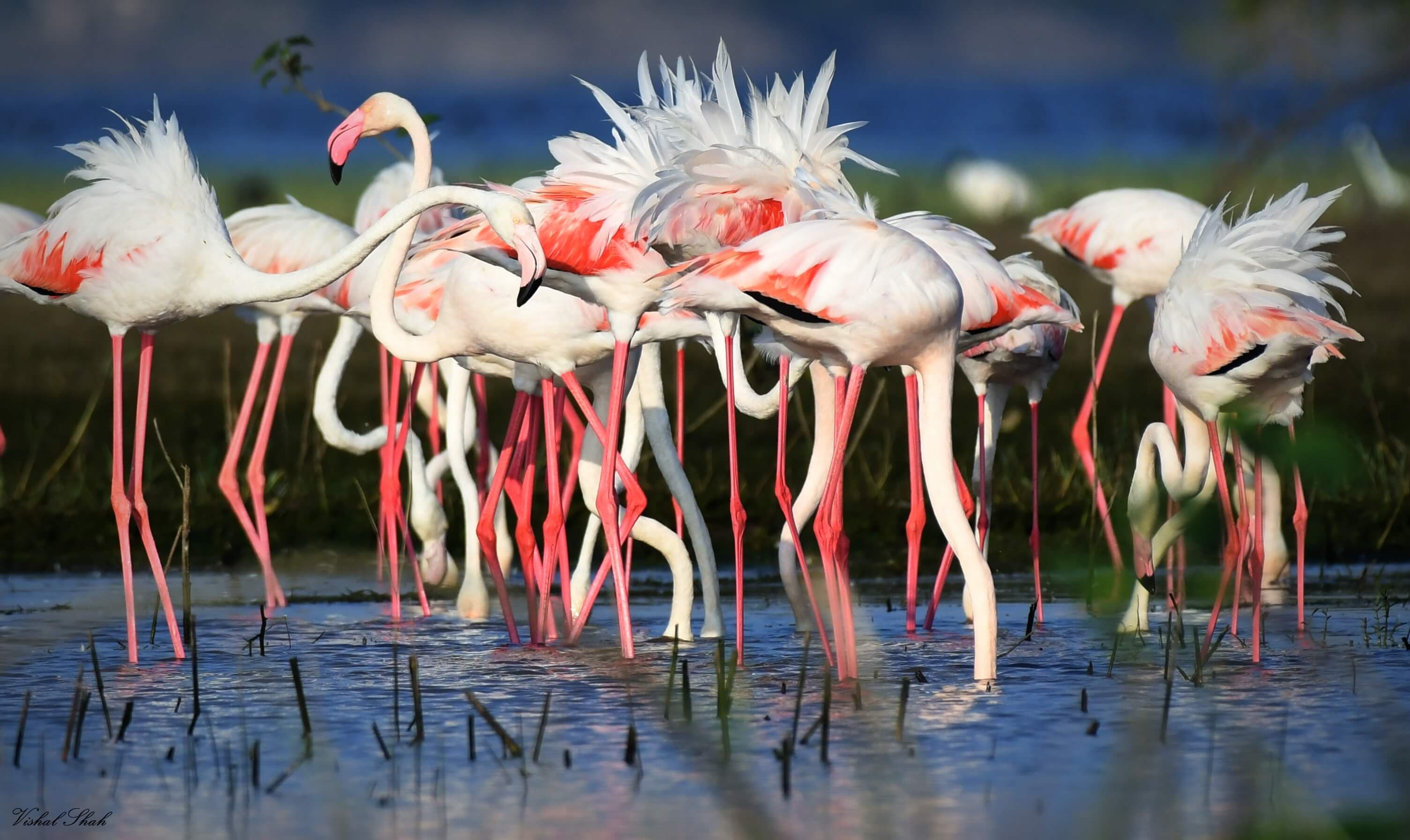
- The affected lakes are DPS, NRI, and T.S. Chanakya, which act as satellite wetlands for the Thane Creek Flamingo Sanctuary (TCFS), a Ramsar Wetland Site.
Water Quality Indicators:
- Total Dissolved Solids (TDS): Measured between 17,000–23,000 mg/L, significantly exceeding the healthy threshold of 5,000 mg/L.
- pH Levels: Recorded above 9, surpassing the safe range of 6.5–8.5, indicating alkaline stress.
- Biochemical Oxygen Demand (BOD): Values between 14.8–23.6 mg/L, well above the safe threshold of 3–5 mg/L, signaling heavy organic pollution and oxygen depletion.
- Chemical Oxygen Demand (COD): Ranged from 47.5–73.5 mg/L against a norm of 20–30 mg/L, indicating chemical contamination.
Ecological Impact:
- The wetlands show signs of severe stress, with stagnant and polluted water replacing the natural tidal flushing crucial for a healthy ecosystem.
- Lack of flamingo arrivals this season raises concern regarding the ecological integrity of the region.
Actors Involved:
- Environmental Groups: NatConnect Foundation commissioned the tests and reported findings to the Prime Minister of India and the Chief Minister of Maharashtra.
- Local Authorities: CIDCO (City and Industrial Development Corporation of Maharashtra) has been criticized for its role in the degradation of wetland conditions.
Call for Action:
- There is an urgent need for sustained conservation efforts to address the ecological risks posed by the rising toxicity levels, stressing the importance of these habitats for migratory birds and urban biodiversity.
Quotes from Environmentalists:
- B.N. Kumar from NatConnect Foundation stated that the findings serve as a warning about the deteriorating condition of the wetlands, and emphasized the detrimental effects on future generations.
- Bittu Sahgal, founder of the Sanctuary Nature Foundation, highlighted the moral responsibility to protect these natural heritage sites.
This situation underscores the broader environmental challenges facing urban wetlands in India and necessitates immediate intervention from both governmental bodies and the public to protect these critical ecosystems.
Key Terms & Concepts
| Navi Mumbai | Location of toxic studies |
| flamingo habitats | Affected wildlife environment |
| Total Dissolved Solids (TDS) | Measured water pollution level |
| 17,000–23,000 mg/L | Recorded TDS level |
| 5,000 mg/L | Healthy wetland TDS norm |
| pH levels above 9 | Indicates alkaline stress |
| BOD (Biochemical Oxygen Demand) | Measures organic pollution |
| 14.8–23.6 mg/L | Recorded BOD values |
| 3–5 mg/L | Safe BOD level norm |
| COD (Chemical Oxygen Demand) | Measures chemical contamination |
| 47.5–73.5 mg/L | Recorded COD levels |
| 20–30 mg/L | Norm for healthy COD |
| Thane Creek Flamingo Sanctuary (TCFS) |