iAspirants
Current AffairsPrelims PYQsUPSC CSE SyllabusUPSC CSE StrategyBlogsPricing
Login
iAspirants

Your AI-powered companion for UPSC preparation.

Quick Links

  • Home
  • About Us
  • Current Affairs
  • Prelims PYQs
  • UPSC CSE Syllabus
  • UPSC CSE Strategy
  • Blogs

Company

  • Pricing
  • FAQs
  • Contact Us
  • Login

Legal

  • Privacy Policy
  • Terms & Conditions
  • Return Policy

© 2025 iAspirants, Inc. All rights reserved.

  1. Blogs
  2. Economic and Social Development

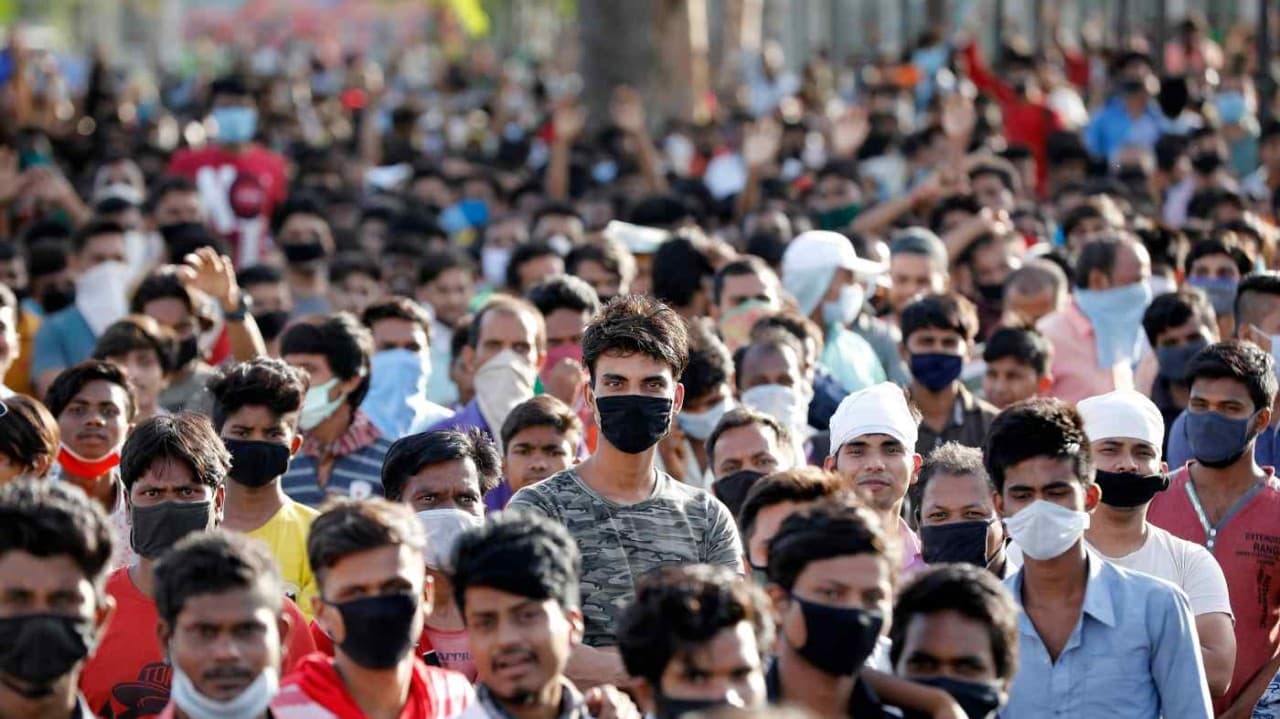
Rising Unemployment Rate in India

Published on: 11-Aug-2026

Source: The Hindu

Share this post

Rising Unemployment Rate in India

Article Summary

Summary of Key Data and Findings

Unemployment Data

  • Overall Unemployment Rate: Increased to 5.4% (April-June 2026), up by 0.4 percentage points from the previous quarter.
  • Rural Unemployment Rate:
    • Current: 4.8%
    • Previous (January-March): 4.3%
  • Urban Unemployment Rate:
    • Current: 6.7%
    • Previous: 6.6%

Unemployment by Demographics

  • Rural Employment:
    • Males: 4.8%
    • Females: 4.7%
  • Urban Employment:
    • Females: 8.7%
    • Males: 6.1%

Labour Force Participation Rate (LFPR)

  • Overall LFPR: Decreased to 54.6%, down from 55.5%.
  • Urban LFPR: Remained stable at 50.2%.
    • Urban Male LFPR: Increased slightly to 75.3% from 75.0%.

Worker Population Ratio (WPR)

  • Urban WPR for persons aged 15 years and above: Stable at 46.8%.

Employment Changes

  • Regular Wage and Salaried Employees:
    • Rural Areas: Increased from 15.5% to 16.1%.
    • Urban Areas: Increased from 48.9% to 49.3%.
  • Employment in Sectors:
    • Secondary Sector (Rural Areas): Increased from 22.6% to 24.4%.
    • Tertiary Sector: Also recorded an increase in rural areas.

Relevant Constitutional and Economic Context

  • The data aligns with the government's commitment as guided under the Directive Principles of State Policy (DPSP) in the Indian Constitution, which emphasizes the right to work, to education, and to an adequate standard of living (Article 41 and Article 45).

Government Schemes and Policies

  • The changes in employment demographics and statistics may inform and influence government policies and programs aimed at enhancing job creation and addressing unemployment, such as the Mahatma Gandhi National Rural Employment Guarantee Act (MGNREGA) and skills development initiatives.

Importance

  • The increase in unemployment and decline in LFPR could have implications for economic stability and growth. Monitoring these trends is essential for assessing economic health and for formulating appropriate policy responses.

This summary encapsulates critical statistics and insights from the PLFS, revealing shifts in employment dynamics in India.

Key Terms & Concepts

5.4%Current unemployment rate
Periodic Labour Force Survey (PLFS)Source of unemployment data
Union Ministry of Statistics and Programme ImplementationResponsible government body
4.8%Rural unemployment rate
6.7%Urban unemployment rate
54.6%Labour Force Participation Rate (LFPR)
75.3%Urban male LFPR
46.8%Urban Worker Population Ratio (WPR)
16.1%Regular wage share in rural areas
49.3%Regular wage share in urban areas
24.4%Worker engagement in secondary sector (rural)

Mind Map for UPSC Civil Services Revision

Turn UPSC Civil Services Current Affairs Into Exam-Ready Notes

Reading Economic and Social Development current affairs is half the work. Revise them with ready-made notes and test what actually stuck.

  • Daily UPSC Civil Services current affairs analysis
  • Revision notes, mind maps & MCQs
  • Prelims mock tests with instant results

Related UPSC Civil Services Current Affairs Articles

Crude Oil Prices Affect Indian OMCs
Economic and Social Development24-Sep-2026

Crude Oil Prices Affect Indian OMCs

  1. Current Situation:

    • The public sector oil marketing companies (OMCs) in India—Indian Oil, Bharat Petroleum, and Hindustan Petroleum—are suffering losses due to a surge in global crude oil prices influenced by geopolitical tensions in West Asia.
    • Estimated losses per litre: Rs 9 on diesel, Rs 8 on petrol, and Rs 300 per cylinder on domestic LPG.
  • Daily losses for OMCs approximately amount to Rs 530 crore.
  • Economic Projections:

    • If crude oil prices stay above $105 per barrel, projected under-recoveries for petrol and diesel may exceed Rs 64,000 crore for FY 2026-27.
    • Combined under-recoveries for LPG could surpass Rs 1 lakh crore this financial year if current trends persist.
  • Crude Oil Price Data:

    • Indian crude basket climbed to $117.4 per barrel as of September 21, 2026, compared to an average of $66 in the previous fiscal year.
    • Price hikes for petrol and diesel last occurred in May 2026, with a total increase of Rs 7.35 per litre for petrol and Rs 7.53 per litre for diesel.
  • Financial Health of OMCs:

    • The three major OMCs control around 90% of India's petrol and diesel retail market and are the sole entities supplying LPG.
    • In the April-June quarter of 2026, OMCs reported a net loss of over Rs 18,000 crore.
    • Marketing losses are expanding again due to high international prices.
  • Policy and Government Response:

    • The Indian government generally avoids compensating OMCs for losses from petrol and diesel, which are deregulated.
    • For regulated LPG pricing, the government has provided financial grants to mitigate losses in recent years.
    • The cumulative negative buffer for LPG reached Rs 61,940 crore as of June 30, 2026, with under-recoveries of Rs 500 and Rs 300 per cylinder reported for the June quarter and September 2026, respectively.
  • Operational Insights:

    • OMCs break even when crude prices range between $85-$90 per barrel; prices above this level without corresponding fuel price hikes lead to significant operational losses.
    • Despite high gross refining margins (GRMs), the benefits do not entirely offset marketing and operational losses.
    • GRMs were noted to be above $10 per barrel since the escalation of the West Asia crisis.
  • Future Projections Based on Oil Prices:

    • If Brent crude prices average between $105-$115 per barrel, OMCs could incur under-recoveries of around Rs 64,000 crore.
    • A price hike of Rs 4-6 per litre is estimated to neutralise marketing losses at these price levels.
    • Under certain price scenarios (e.g., Brent prices averaging $130-$140), under-recoveries might escalate to approximately Rs 1.9 lakh crore.
  • Conclusion:

    • The financial health of OMCs is critically linked to international crude oil prices, the government's approach to regulating fuel prices, and the overall economic conditions driven by geopolitical crises in oil-producing regions. Continuous monitoring and potential policy adjustments may be necessary to safeguard the viability of OMCs amidst fluctuating market conditions.
  • India's Inflation and Monetary Policy Update
    Economic and Social Development21-Sep-2026

    India's Inflation and Monetary Policy Update

    Monetary Policy Context in India

    Key Economic Indicators:

    • Repo Rate: Currently held at 5.25% by the Reserve Bank of India (RBI).
    • Inflation Rates:
      • Consumer Price Inflation: 4.82% (August 2023), up from 4.45% (July).
      • Food Inflation: Higher at 5.95%.
      • Core Inflation: Approximately 4.2%.

    Monetary Policy Dynamics:

    • The real interest rate may approach zero if inflation expectations rise. This scenario indicates a shift from a positive real interest rate environment.
    • RBI projects inflation for FY2026-27 at around 5%, but current rates exceed this projection.

    External Factors Affecting Inflation:

    • Oil Prices: Brent crude oil has surpassed $100 a barrel, approaching $110, influenced by geopolitical tensions in West Asia affecting shipping routes.
    • The combination of rising oil prices, a weaker rupee, and elevated global commodity prices adds to inflationary pressures.

    Banking Sector Analysis:

    • Bank Credit Growth: Strong at 19.1% as of August 2023.
    • Deposit Growth: Increased to 17.8%, the fastest rate in a decade, partly due to the RBI's special FCNR(B) scheme.
    • Credit-Deposit Ratio: Approximately 80.3% at the end of August.

    Impact of Inflation on Savings:

    • Rising inflation reduces the real return on conventional bank deposits, encouraging households to explore alternatives such as mutual funds, equities, and gold.
    • There is a historical correlation between gold imports and inflation expectations (correlation coefficient of 0.83 between 2010-2013).

    Judicial and Institutional Considerations:

    • The RBI's decision-making reflects a tension between the need to manage inflation and the implications of a steadily growing economy and bank credit.
    • The timing of monetary policy adjustments is crucial; a timely 25-basis-point increase may be preferable to a later 50-basis-point response in managing inflation expectations.

    Conclusion:

    India is navigating a nuanced economic landscape where inflationary pressures are juxtaposed with robust growth and credit demand. The RBI may need to reassess its monetary policy strategies promptly to avoid a zero real interest rate environment which could further complicate inflation control.

    India-New Zealand FTA Implementation Date
    Economic and Social Development21-Sep-2026

    India-New Zealand FTA Implementation Date

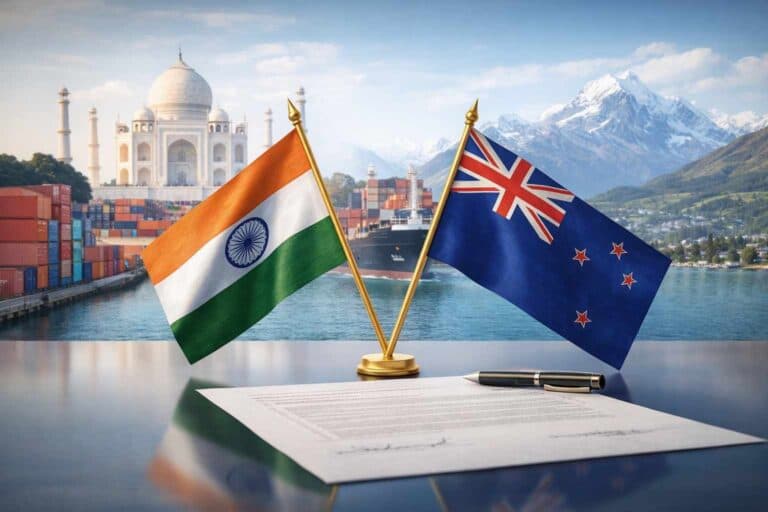
    India-New Zealand Free Trade Agreement (FTA) Summary

    Implementation Date:

    • The India-New Zealand FTA will come into effect on October 20, 2026.

    Key Figures:

    • India and New Zealand aim to double bilateral trade in goods and services to NZD 7 billion (approximately ₹35,000 crores) by 2030.
    • In 2025-26, bilateral trade reached approximately USD 1.1 billion.

    Bilateral Trade Benefits:

    • New Zealand will receive zero tariffs on 100% of India's exports from day one.
    • Key sectors benefiting from tariff-free access include textiles, leather, footwear, engineering goods, and processed agricultural products.
    • Indian industries will gain competitive advantages through duty-free access to essential inputs like wooden logs, coking coal, and metal scrap.

    Government Schemes and Policies:

    • The FTA is part of the "Strategic Partnership: Roadmap to 2030," enhancing trade relations and economic cooperation.
    • The agreement includes provisions for protecting sensitive Indian agricultural products (e.g., dairy, meat, sugar, edible oils) from tariff concessions.
    Coal India Advances Energy and Technology
    Economic and Social Development20-Sep-2026

    Coal India Advances Energy and Technology

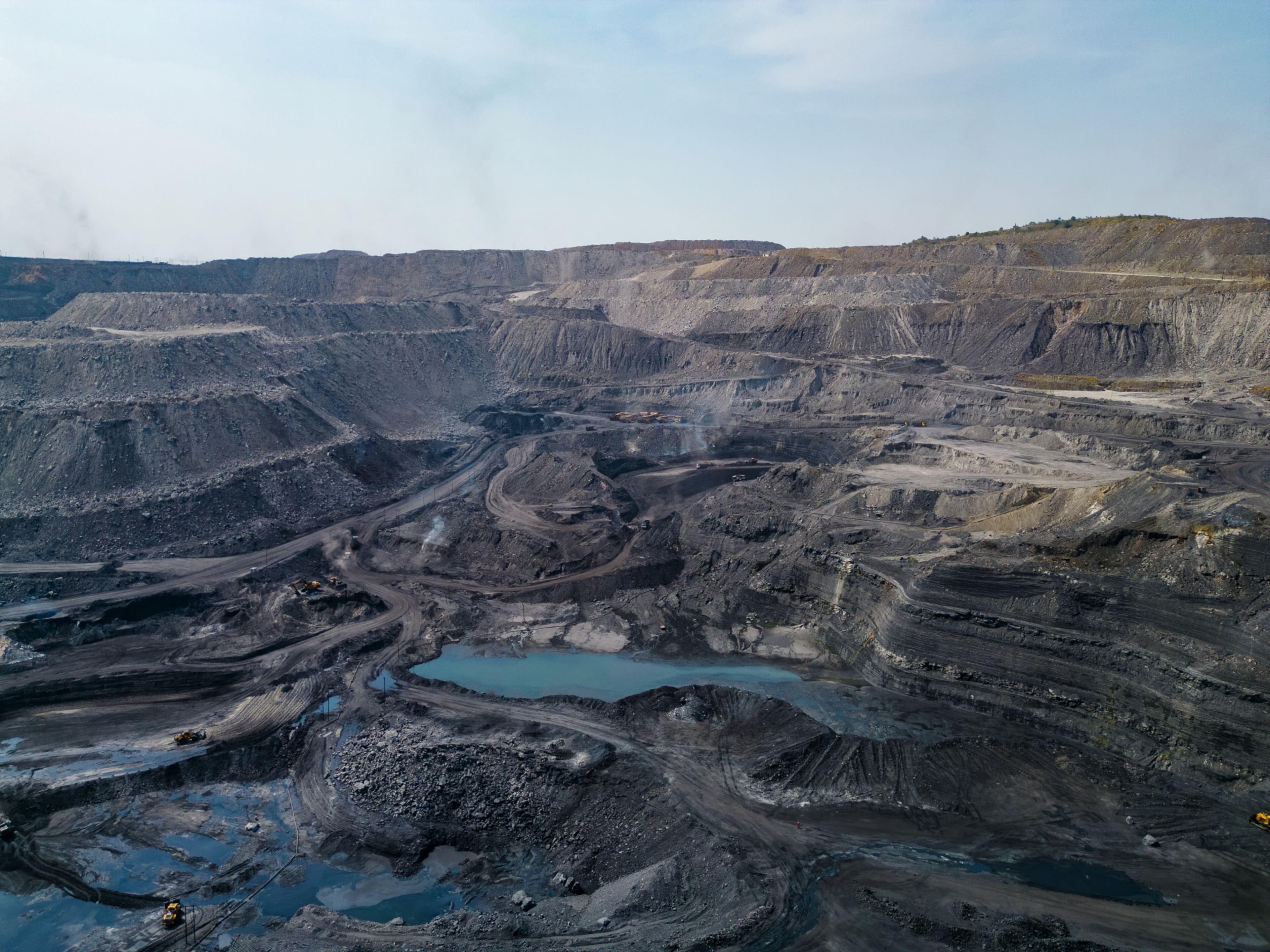
    Coal India Limited (CIL) Strategic Initiatives and Technological Diversification

    Overview

    • CIL Diversification: Transition from traditional coal mining to a technology-driven portfolio encompassing energy, minerals, advanced materials, and R&D.
    • Strategic Focus Areas:
      • Coal gasification
      • Thermal energy
      • Renewable energy
      • Energy storage
      • Development of critical minerals and indigenous technology.

    Key Projects and Investments

    • Investment in Coal-to-Chemicals:
      • Total estimated investment of ₹69,346 crores across four coal-to-chemical projects.
      • Projects include:
        • Talcher Fertilizers Ltd: Urea production capacity of 1.27 MMT/year, cost ₹19,062.22 crores.
        • India Coal Gasification & Chemicals Ltd: Ammonium nitrate production capacity of 0.66 MMT/year, cost ₹25,015.89 crores.
        • Coal Gas India Ltd: Synthetic natural gas production capacity of 633.6 million NM³/year, cost ₹13,052.81 crores.
        • CIL-BPCL Chandrapur: Synthetic natural gas production capacity of 633.6 million NM³/year, cost ₹12,214.86 crores.

    Technological Developments

    • Coal Gasification:
      • Converts coal to synthetic gas (syngas) for producing synthetic natural gas, ammonia, urea, etc.
      • Promotes import substitution.
    • Underground Coal Gasification (UCG): Pilot project in Kasta West Block, Eastern Coalfields, with phases aimed for completion by 2026.
    • Renewable Energy:
      • Installation of approximately 550 MW solar capacity, including floating solar projects.
      • Joint venture with Damodar Valley Corporation for a 2x800 MW ultra-supercritical thermal power project.

    Battery Energy Storage Systems (BESS)

    • Ongoing Projects:
      • Telangana's TGGENC0 Choutuppal: 187.5 MW/750 MWh capacity.
      • Odisha: 80 MW/320 MWh capacity across four locations.
    • Importance: Supports integration of renewable energy, demand management, and grid stability.

    Critical Minerals and Advanced Materials

    • Focus Areas:
      • Development of graphite and rare earth elements (REE) in Madhya Pradesh, Chhattisgarh, Andhra Pradesh, and Maharashtra.
      • Establishment of an integrated graphite value chain from mining to production.

    Research and Development (R&D)

    • R&D Framework: Established in 1975, leading to the formation of the R&D Board in 1994 and a Supreme Committee in 2003.
    • Annual R&D Budget: ₹61.31 crores in FY 2023-24, projected to increase to ₹500 crores by FY 2029-30.
    • Key R&D Areas: Smart mining using AI and IoT, waste-to-wealth initiatives, clean coal technology, and alternative uses of coal.

    Economic and Environmental Considerations

    • Risk Management: CIL adopts a proactive risk management approach covering technology, market, financial, environmental, and operational risks.
    • Sustainability Goals: Focus on carbon reduction, efficient resource utilization, and environmental impact management.

    Future Directions

    • Strategic Partnerships: CIL aims to leverage technology transfer and localization through joint ventures for market access.
    • Priorities: Aiming for responsible diversification, technology roadmaps, and establishing a hub-and-spoke network for R&D collaboration.

    Conclusion

    • CIL's Evolution: Transitioning from a coal-centric model to a diversified energy and minerals entity, focusing on sustainability, technology innovation, and self-reliance in energy and mineral security.
  • A joint Agricultural Productivity Council will monitor and enhance agricultural productivity and cooperation.
  • Judicial and Legislative Aspects:

    • New Zealand's parliament passed the relevant laws on September 16, 2026, to facilitate the agreement.

    Employment and Migration:

    • The agreement includes special provisions for 5,000 temporary employment visas for skilled Indians and 1,000 work-holiday visas annually for young Indians.
    • Unlimited movement is allowed for students, with post-study work rights for graduates (3 years) and PhD holders (4 years).

    Science and Technology Collaboration:

    • The FTA will enhance cooperation in sectors like IT, professional services, audiovisual, construction, and tourism, covering about 118 sectors.
    • Indian pharmaceutical and medical device exporters will benefit from New Zealand's acceptance of global regulatory approvals, expediting market access.

    Economic Implications:

    • The agreement is expected to stimulate job creation, investment, and trade, benefiting women, youth, farmers, and MSMEs.
    • It aligns with India's vision of "Developed India @2047" and reflects growing partnerships with developed economies.

    Cultural and Social Engagement:

    • The FTA is designed to strengthen ties in various fields, including culture, sports, and business, aiming to create a robust foundation for cooperation.

    Additional Resources:

    • Detailed fact sheet and FAQs can be accessed through the Ministry of Commerce's official links.

    This FTA marks a significant step in enhancing economic cooperation and trade relations between India and New Zealand, contributing to broader economic objectives and mutual prosperity.