iAspirants
Risks to Global Water Security Discussed
Published on:
Share this post
Article Summary
Summary of Water Security Issues and Initiatives
Key Findings from UN Report on Water Security
- Title: Global Water Bankruptcy
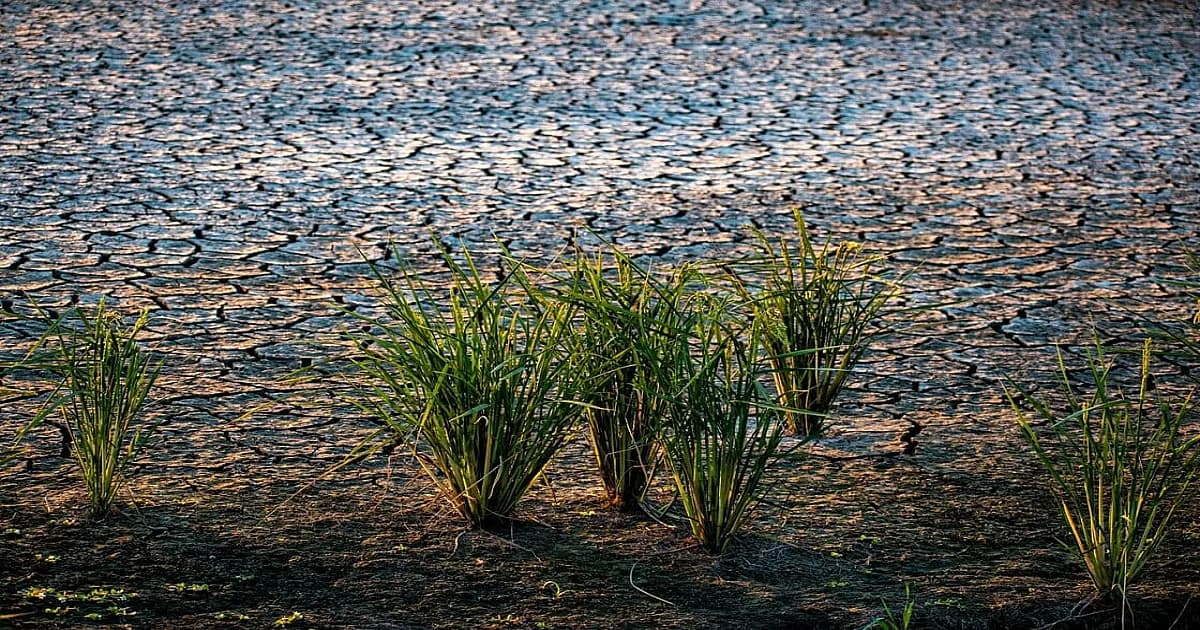
- Risks: Growing pollution, unsustainable water use patterns, and exacerbated effects of climate change leading to a crisis termed "water bankruptcy."
- Trends: Climate change disrupts rainfall patterns, affects the water cycle, and causes erratic river flows due to retreating glaciers. This results in chronic droughts and severe water shortages.
- Interconnectedness: Water basins across regions are interconnected. Water scarcity in one area can increase stress and tensions in others due to trade and migration influences.
Regional Impact
- Regions Affected: Uttarakhand, Himachal Pradesh, and Jammu and Kashmir are experiencing a "snow drought" due to weakened western disturbances.
- Meteorological Observations: Erratic snowfall patterns noted; late snow melting prevents optimal moisture benefits to soils, which affects river systems.
Implications for Agriculture and Hydropower
- Impacts: Erratic precipitation adversely impacts agriculture and hydropower generation. The timing and predictability of river flows are crucial for these sectors and are changing.
Water Management Initiatives
- Evolution: Traditional water management has focused on consumption supply to households, farmers, and industries. Recent trends show increased discussions on:
- Aquifer Recharge: Encouraging recharging of groundwater sources.
- Rainwater Harvesting: Strategies to capture and store rainwater.
- Water-Efficient Crops: Promotion of agricultural practices that make efficient use of water resources.
Recommendations from the UN Report
- Transparent Water Accounting: Need for clear metrics and accountability in water use.
- Aquifer Protection: Safeguarding groundwater sources from over-extraction and pollution.
- Limits on Extraction: Enforceable limits on water extraction practices to ensure sustainability.
- Equitable Distribution: Ensuring fair access to water resources among all sectors of society.
Conclusion
The UN report highlights an urgent need for a paradigm shift in water management towards sustainable practices. Efforts must prioritize water conservation and management measures that address not only immediate supply issues but also the long-term viability of water resources in the face of climate change.
Key Terms & Concepts
| UN report | Documents risks to water security |
| Global Water Bankruptcy | Title of UN report |
| Himalaya | Region affected by climate change |
| Uttarakhand, Himachal Pradesh, Jammu and Kashmir | States facing snow drought |
| IIT-Mandi study | Research on precipitation effects |
| water management initiatives | Focus on water supply strategies |
| recharging aquifers | Water management strategy |
| harvesting rainwater | Water conservation strategy |
| water-efficient crops | Agricultural practice |
| transparent water accounting | Recommended best practice |
| protecting aquifers | Sustainable water practice |
| enforceable limits on extraction | Policy proposal |