iAspirants
Current AffairsPrelims PYQsUPSC CSE SyllabusUPSC CSE StrategyBlogsPricing
Login
iAspirants

Your AI-powered companion for UPSC preparation.

Quick Links

  • Home
  • About Us
  • Current Affairs
  • Prelims PYQs
  • UPSC CSE Syllabus
  • UPSC CSE Strategy
  • Blogs

Company

  • Pricing
  • FAQs
  • Contact Us
  • Login

Legal

  • Privacy Policy
  • Terms & Conditions
  • Return Policy

© 2025 iAspirants, Inc. All rights reserved.

  1. Blogs
  2. Polity and Governance

Role of Teachers in Education

Published on: 05-Sep-2026

Source: PIB

Share this post

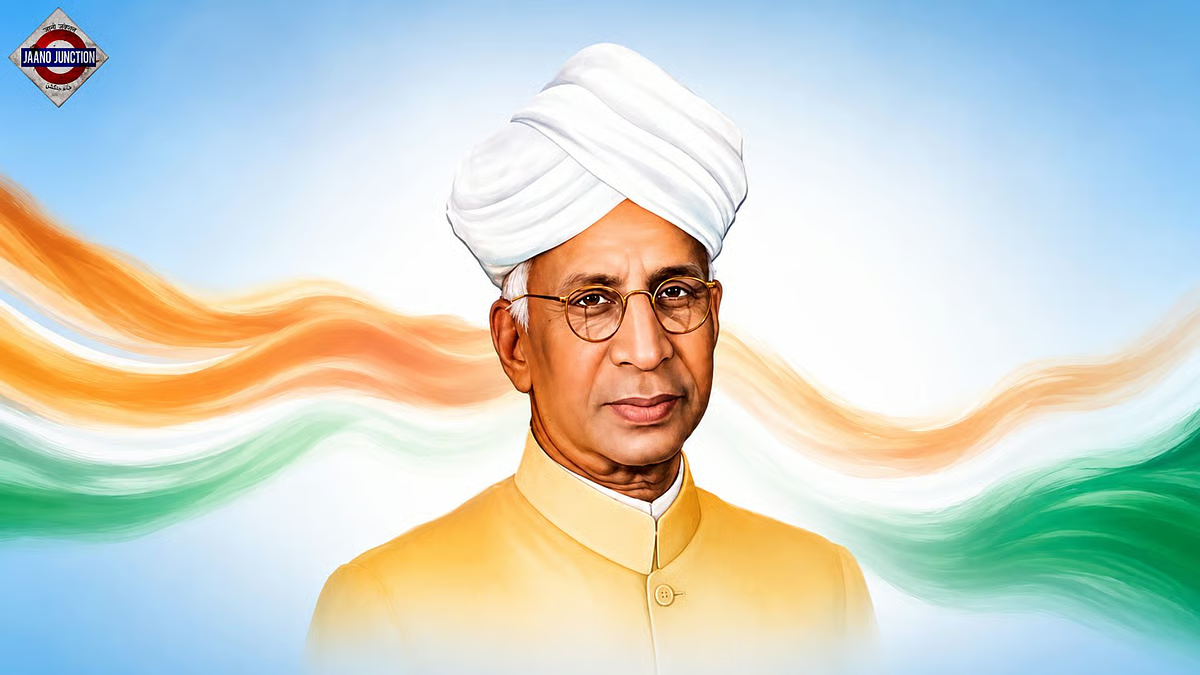
Role of Teachers in Education

Article Summary

  • National Education Policy (NEP) 2020:

    • Central to the educational framework in India, focusing on placing the learner at the center of the education system.
    • Aims to transform the education landscape by emphasizing critical thinking, creativity, and holistic development.
  • Role of Teachers:

    • Teachers are recognized as pivotal in guiding learners from mere information to understanding and then to knowledge.
    • There is a longstanding tradition in India of honoring teachers, reflecting deep respect for those who impart knowledge.
  • Government Schemes:

    • The NEP 2020 is a significant step towards enhancing the quality of education and is part of broader educational reforms initiated by the Indian government.
  • Cultural Significance:

    • The respect for teachers highlights the cultural and historical significance of education in Indian society, aligning with constitutional values that promote the right to education.
  • Constitutional References:

    • Article 21A of the Indian Constitution mandates free and compulsory education for children aged 6 to 14 years.
    • The Right to Education Act (2009) operationalizes this constitutional provision, ensuring access to education.
  • Educational Improvement:

    • NEP 2020 aims to improve educational outcomes and make education more inclusive and accessible.
    • Emphasizes the importance of teacher training and professional development in enhancing teaching quality.
  • International Perspective:

    • The focus on education aligns with global educational standards and practices, promoting lifelong learning and skill development.
  • Economic Indicators:

    • Education is linked to economic growth; a well-educated workforce is essential for national development and competitiveness in the global market.
  • Judicial Recognition:

    • Various judgments have reinforced the right to education, emphasizing that quality education is a fundamental right that must be guaranteed by the state.

These notes encapsulate the significance of educators in the educational framework of India as highlighted by Prime Minister Narendra Modi and Union Education Minister Pralhad Joshi, within the context of NEP 2020 and constitutional mandates.

Key Terms & Concepts

National Education Policy 2020Guides learner-centered education
Prime Minister Narendra ModiShared article on education
Union Education MinisterAuthored article on teachers

Mind Map for UPSC Civil Services Revision

Turn UPSC Civil Services Current Affairs Into Exam-Ready Notes

Reading Polity and Governance current affairs is half the work. Revise them with ready-made notes and test what actually stuck.

  • Daily UPSC Civil Services current affairs analysis
  • Revision notes, mind maps & MCQs
  • Prelims mock tests with instant results

Related UPSC Civil Services Current Affairs Articles

Disenfranchisement Crisis in India
Polity and Governance21-Oct-2026

Disenfranchisement Crisis in India

Summary of Key Points on Special Intensive Revision (SIR) and Voter Exclusion in India

Disenfranchisement Concerns

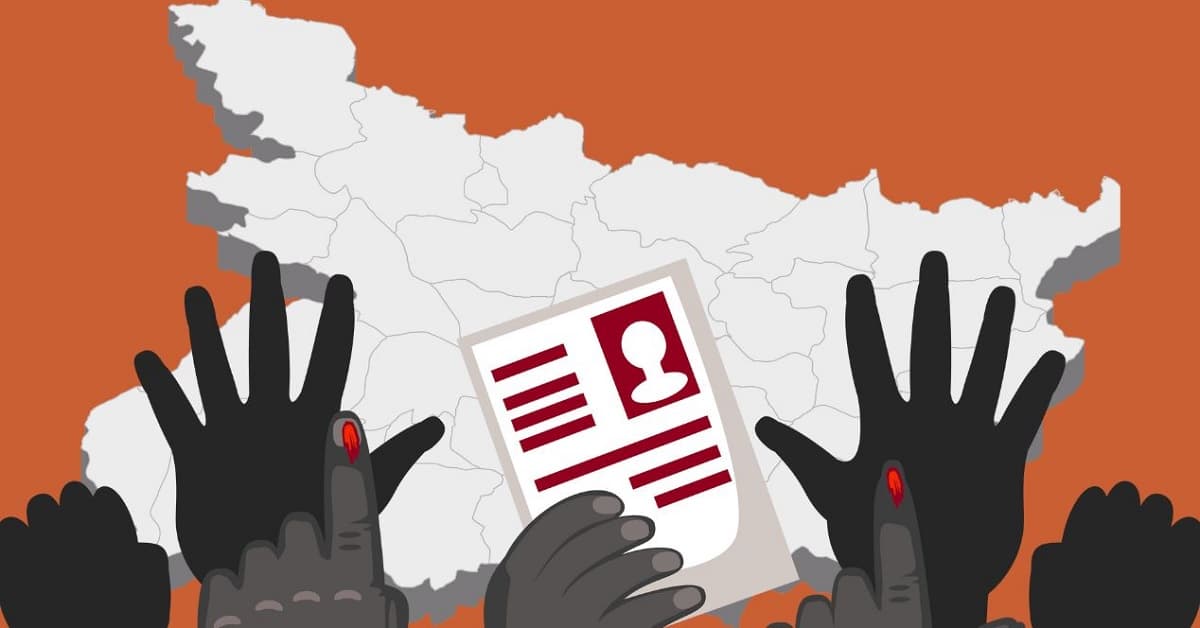
  • Voter Deletion: The Special Intensive Revision (SIR) resulted in the deletion of approximately 13.3 crore names from pre-SIR voter lists, raising concerns about mass disenfranchisement.
  • Absence of Audit: Critics argue there has been an unfair exclusion; supporters counter that deleted names were mainly due to reasons categorized as Absent, Shifted, Dead, or Duplicate (ASDD) per the Election Commission of India (ECI).
  • Voter Population Analysis

    • Comparison Method: Evaluating the post-SIR voter lists against the official estimates of the adult population eligible to vote offers a more robust perspective on potential disenfranchisement.
    • Adult Population Estimates: Based on the Technical Group on Population Projections, estimates suggest that by early 2026, the adult population would consist of around 101.6 crore individuals.
    • Exclusion Statistics:
      • For nine major states, there exists a deficit of over 7 crore voters, equating to roughly 12% of the adult population.
      • In Uttar Pradesh, the exclusion rate is significant, with about 2.8 crore adults — over 17% of the adult population — not accounted for.

    Total Missing Voters

    • Assuming the general exclusion rate observed in nine states is representative, the total number of excluded adults across India could be around 12 crore.
    • Projected final post-SIR voter list may stand at approximately 87.8 crore, indicating about 14 crore missing voters — eligible citizens who should be on the electoral rolls.

    Claims and Counterarguments

    • Supporters of SIR argue that certain levels of non-registration should be expected and do not indicate disenfranchisement. Bhalla suggests that 7.5% of the young adult population might be voluntarily non-registered.
    • Critics dispute this view, asserting that voter ID is critical for access to services, and non-registration reflects a failure in the electoral process rather than voluntary decisions by citizens.

    Policy and Legislative Context

    • The debates are rooted in the right to vote, implicit in the Constitution of India under Article 326, which mandates the election of the House of the People based on universal suffrage.

    Final Thoughts

    • The ongoing analysis highlights crucial discrepancies between the expected voter population and the actual registered voters post-SIR, raising serious questions about the electoral integrity and inclusivity of the democratic process in India. The findings call for a re-evaluation of electoral policies and mechanisms to ensure comprehensive voter registration and participation.
    Supreme Court Ruling on Internet Rights
    Polity and Governance21-Oct-2026

    Supreme Court Ruling on Internet Rights

    Supreme Court Ruling Overview (October 15)

    1. Judicial Rulings and Constitutional References:

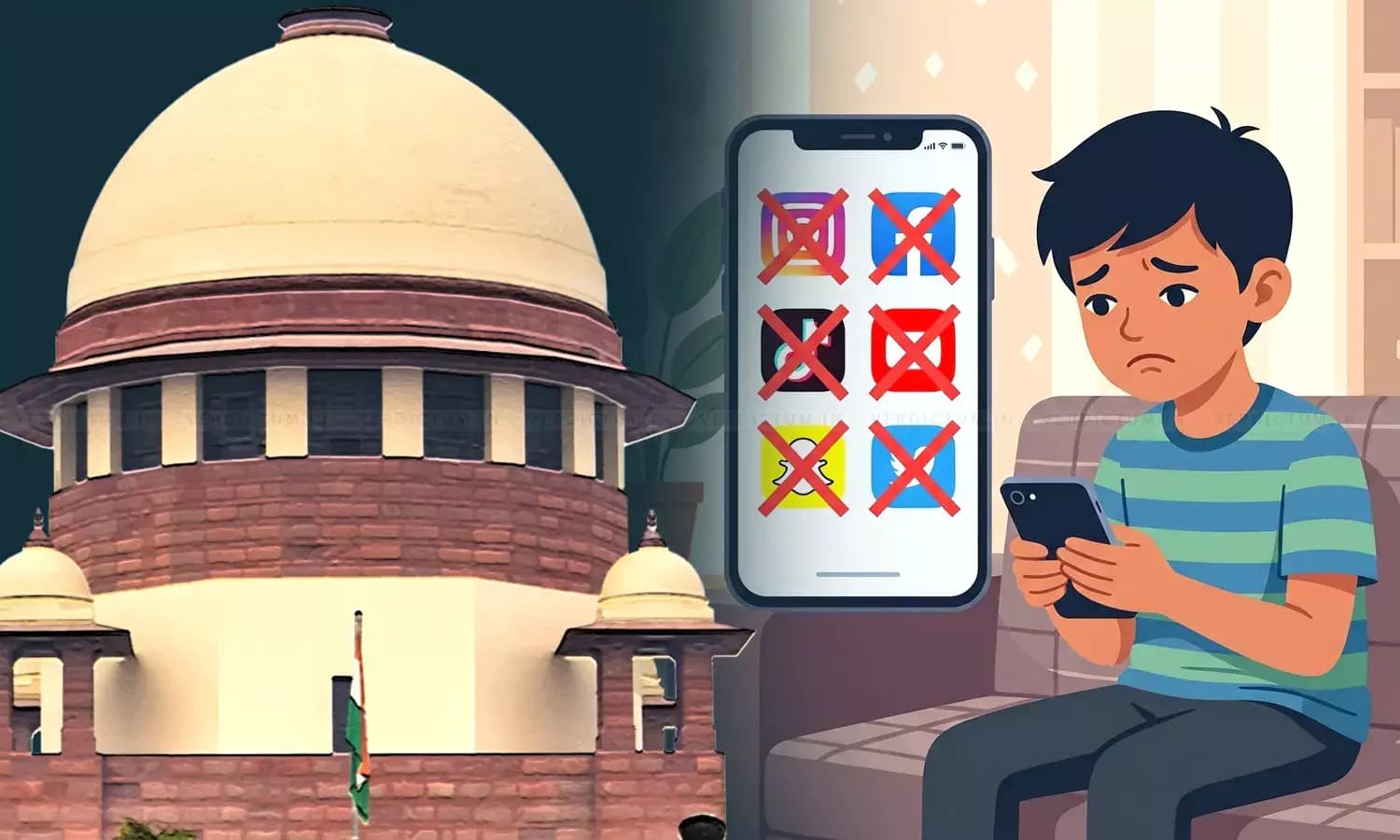
      • The Supreme Court ruled that access to the internet is a fundamental right, supported by:
        • Article 19: Freedom of speech and expression.
        • Article 21: Right to life and personal liberty.
      • Emphasizes the potential for citizens to invoke these rights in court, particularly against unreasonable Internet restrictions.
    2. Tightening of Child Protection Regulations:

      • The Court addressed child sexual exploitation and abuse material online by:
        • Mandating the creation of a national database for digital identifiers related to child abuse materials.
        • Directing removal of "known origin" matches from this database without prior verification.
        • Introducing potential hefty fines for intermediaries failing to comply with the removal of harmful content.
        • Suggesting that intermediaries assess content based on its potential to facilitate exploitation.
    3. State Responsibility and Institutional Framework:

      • Calls for a strong institutional architecture to effectively manage the use and misuse of databases related to child protection online.
      • Highlights the urgent need for state intervention in promoting child safety.
    4. Challenges in Realization of Rights:

      • Noted concerns about practical implementation of the Court's declarations. There is skepticism regarding whether these rights will translate into effective protection for citizens. The Court's track record shows expansion of Article 21 without adequate enforcement.
      • Comments on the need for judicial intervention to prevent the state from unduly restricting internet access and enforcing rights established under Article 21.
    5. Future Implications:

      • The balance between expanding internet access rights and ensuring the removal of exploitative content requires a cautious and robust approach from the government and regulatory bodies.
      • The real test for the Supreme Court's recognition will be the assurance of protection against arbitrary actions regarding internet usage and child safety policies.

    This ruling underscores significant developments in the protection of minors against online exploitation and the recognition of internet accessibility as a constitutional right, while placing the onus on the state to ensure these rights are duly enforced and safeguarded against potential infringements.

    Challenges to India's Democratic Institutions
    Polity and Governance20-Oct-2026

    Challenges to India's Democratic Institutions

    Summary Notes on Indian Democracy and Election Integrity

    1. Historical Context:

      • India's democracy was established post-colonial struggle; not a gift but a hard-earned right.
      • The Constitution, drafted by the Constituent Assembly under B.R. Ambedkar, established India as a sovereign democratic republic with universal adult suffrage.
    2. Constitutional References:

      • Article 324: Grants the Election Commission of India (ECI) powers for the superintendence, direction, and control of elections, emphasizing the need for independence and public confidence.
    3. Judicial Rulings:

      • 2024 Supreme Court Ruling: Struck down the electoral bonds scheme, critiquing the opaque political funding that favored the ruling party disproportionately.
    4. Legislation and Policy Developments:

      • 2023 Law on Chief Election Commissioner Appointment: Altered the selection process of Election Commissioners from a Supreme Court-led committee to one dominated by the executive, thus increasing government influence over the ECI.
    5. Concerns Regarding Electoral Integrity:

      • Over 13 crore names deleted from electoral rolls during the Special Intensive Revision (SIR) process, leading to calls for transparency and challenges to citizens' voting rights.
      • Controversy over unilateral changes to Form 6 heightened concerns of diminished electoral integrity and public trust.
    6. Public and Political Response:

      • Non-violent protests have been met with heavy police presence and repression, raising concerns about civil liberties.
      • Growing demands for reforms include:
        • Independent and transparent appointments to the ECI.
        • Review of electoral-roll deletions.
        • Transparency in political funding and accountability for exclusionary practices.
        • Restoration of paper ballots to enhance trust in the electoral process.
    7. Civil Society and Activist Movements:

      • Formation of the INDIA bloc, including Left participation, advocating for a restoration of faith in democracy and electoral processes.
      • Emphasis on public determination of their leaders, resisting top-down election manipulations.
    8. Press Freedom and Civil Rights:

      • Detainments of journalists and protestors have drawn criticism and highlighted the ongoing conflict between governmental authority and democratic rights.
    9. Conclusion:

      • The ongoing movement seeks not merely the resignation of specific officials but a comprehensive overhaul of election practices to preserve the integrity and independence of India's democracy.

    This summary encapsulates significant aspects of the current challenges to India's democratic system, emphasizing the need for institutional integrity in its electoral processes.

    Delhi Police Denotifies Protest Sites
    Polity and Governance19-Oct-2026

    Delhi Police Denotifies Protest Sites

    Summary Notes on Delhi's Designated Protest Sites and Political Dissent

    1. Context of the Issue:

    • Delhi Police's decision to de-notify Jantar Mantar as a designated protest site reflects a broader pattern of state actions aimed at limiting dissent in India.

    2. New Designated Protest Sites:

    • Ramlila Maidan, Burari Ground, and CBD Ground are the newly designated sites for protests in Delhi.
    • Justifications provided by authorities: public safety, traffic management, and resident inconvenience.

    3. Historical Context:

    • Jantar Mantar evolved into a significant protest site for over three decades, positioned as a control mechanism post-1993, following the Babri Masjid demolition.
    • This site became emblematic of India's political struggles, despite attempts by authorities to curb dissent.

    4. Evolving Nature of Protest Spaces:

    • Historical precedent shows when conventional protest sites are restricted or deactivated, movements adapt and create new political spaces:
      • Significant protests include Mahatma Gandhi's Dandi March and more contemporary movements like Shaheen Bagh during the anti-CAA protests.
      • Protests can occur in non-traditional spaces as exemplified by farmers at Singhu, Tikri, and Ghazipur, creating makeshift bases with kitchens and libraries.

    5. Global Examples of Adaptation:

    • Similar global phenomena observed:
      • Cairo’s Tahrir Square during Egypt's 2011 revolution.
      • Occupy Wall Street in New York's Zuccotti Park.
      • Protests in Istanbul's Gezi Park.
      • Hong Kong's use of highways as assembly areas.
      • Transforming university lawns into spaces for political discourse in Palestine.

    6. The Role of Space in Politics:

    • Protests highlight that political action can occur outside designated spaces granted by authorities, showcasing the resilience of civic agency.
    • The assumption by states that they can restrict where and when citizens may gather is often challenged by grassroots movements that redefine political geographies.

    7. Implications of the Changes:

    • Withdrawal of established protest spaces creates barriers for political mobilization but also necessitates creativity and resourcefulness in activism.
    • Challenges arise in creating new protest spaces, which require time, organization, and financial resources.

    8. Conclusion:

    • The ongoing struggle for designated protest spaces in India reflects deeper conflicts between state authority and civil liberties, echoing through historical and contemporary movements.
    • Political spaces are not solely granted but can be created through collective action and civic engagement, emphasizing the resilience of democracy amid restrictions.

    These notes encapsulate the dynamics of protest spaces, historically significant protests, and the implications of government actions regarding civic liberties.

    Disability Rights and Political Inclusion
    Polity and Governance19-Oct-2026

    Disability Rights and Political Inclusion

    Exam-Focused Notes on Disability Rights and Politics in India

    Constitutional References

    • Article 29 of the UNCRPD: Ensures the rights of persons with disabilities (PwDs) to participate fully in political and public life on an equal basis with others. It emphasizes inclusivity beyond just voting access.

    Legislative Framework

    • Persons with Disabilities Act, 1995: Marks a significant milestone in disability legislation.
    • Rights of Persons with Disabilities Act, 2016: Strengthens the legal framework post-India’s ratification of the UN Convention on the Rights of Persons with Disabilities (UNCRPD).

    Key Issues

    • Mainstream Exclusion: PwDs in India experience marginalization in political processes, treated as welfare rather than rights-holders.
    • Accessibility Challenges: Accessibility is often misconceived; ramps are insufficient if other educational processes remain inaccessible.
      • Key aspects of accessibility include:
        • : Structures must be physically accessible.
    Mary Poonen Lukose's Impact on Healthcare
    Polity and Governance19-Oct-2026

    Mary Poonen Lukose's Impact on Healthcare

    Key Facts and Contributions of Mary Poonen Lukose

    • Historic Significance: Mary Poonen Lukose (1886-1976) was the first female Surgeon General of India and a pioneering figure in improving public health in Kerala.

    • Early Education and Career:

      • Denied admission to study sciences at Maharaja College, she graduated in History from Madras University in 1909.
      • First Indian woman to earn an MBBS from the University of London in 1915.
      • Further training in obstetrics, gynaecology, and paediatrics at Great Ormond Street Hospital.
    • Return to India:

      • Returned to Travancore in 1916 as its first woman doctor and significantly contributed to modern healthcare practices.
    • Public Health Contributions:

      • Initiated scientific deliveries and maternal care, co-founded the X-Ray and Radium Institute in Thiruvananthapuram, and established a tuberculosis sanatorium in Nagercoil.
      • Responsible for modernizing public health in Travancore, attributed to the “Kerala model” focusing on strong primary care and public health outreach.
    Ongoing Ethnic Conflict in Manipur
    Polity and Governance19-Oct-2026

    Ongoing Ethnic Conflict in Manipur

    Exam-Focused Notes on the Ethnic Strife in Manipur

    Context of Conflict

    • Communities Involved: Kuki-Zo, Naga, and Meitei.
    • Duration of Violence: Ongoing since May 2023.
    • Casualties: Approximately 300 deaths reported.
    • Displacement: Nearly 60,000 individuals displaced from their homes.

    Recent Developments

    • Clashes: Renewed violence from October 9, 2023, resulted in at least nine additional deaths in hill districts, escalating ethnic tensions.

    Governance Issues

    • Political Environment: Currently under President’s Rule (February 13, 2025, to February 4, 2026).
    • State Response: Criticism of both state and Union governments for ineffective handling of ethnic conflicts and violence.
    • Comprehensive Action Needed: There exists a pressing need for disarmament of militant groups and ethnic militias.

    Institutional Mechanisms

    • Peace Committee: A 51-member committee was announced after Union Home Minister Amit Shah's visit in June 2023, aimed at initiating peace talks. It remains unoperational.
    Physical Access
  • Process Access: Ensures participation in educational and other processes.
  • Product Access: Relevant to affordability and usability of products for PwDs.
  • Societal Perception of Disability

    • Historical approaches have focused on charity and welfare; disability is viewed as a social issue rather than a political identity.
    • The need for increased visibility in political discourses to ensure advocacy and representation.

    Judicial and Policy Interventions

    • While legal frameworks exist, implementation is lacking; highlighted by persistent physical and institutional inaccessibility.
    • Disability rights require robust implementation strategies to transition from passive welfare to active civic engagement.

    Political Participation

    • Political participation needs to encompass more than voting; it includes active engagement in public affairs, advocacy, and decision-making processes.
    • The importance of political mobilization is emphasized, drawing parallels with Babasaheb Ambedkar’s efforts for Dalit rights and his transformational impact on visibility and legal protections, such as reservations.

    Lessons from Political Mobilization

    • Engaging in advocacy as a legitimate form of political activity is crucial for disability organizations.
    • Strategies should include:
      • Influencing political parties and narratives.
      • Occupying political spaces and facilitating representation in legislative frameworks.

    Call to Action

    • A shift in perspective is needed, viewing disability rights through the lens of citizenship, equality, and political participation.
    • Emphasizing the need for a concerted effort to integrate PwDs into mainstream political discourse, following the inclusive vision demonstrated by Ambedkar.

    These notes encapsulate the challenges and strategies required to foster inclusive politics for persons with disabilities in India, stressing the transformation from welfare to rights and active political agency.

  • Government Role:

    • As Surgeon General (1938), managed 32 government hospitals and 40 dispensaries.
    • Became the first woman nominated to the Travancore Legislative Council in 1922, promoting women's political rights.
  • Recognition and Awards:

    • Honored with the Vaidyaśāstrakuśala by the Maharaja of Travancore (1935) and the Padma Śhri in 1975 for her contributions to health and women's rights.
  • Community Engagement:

    • Co-founded the Tiruvananthapuram branch of the Young Women’s Christian Association and served as its president for 50 years.
  • Legacy:

    • Contributed significantly to elevating healthcare standards and women's rights in India, paving the way for future generations of women in medicine and public service.
  • Relevant Constitutional and Policy References

    • Constitutional Rights: Advocated for women’s rights, reflecting provisions from Articles 14 (Right to Equality), 15 (Prohibition of Discrimination), and 21 (Right to Life and Personal Liberty).

    • Government Schemes and Health Policies: Contributions to public health align with current government schemes focusing on maternal and child health, such as the National Health Mission (NHM) and Pradhan Mantri Surakshit Matritva Abhiyan.

    Final Note

    Mary Poonen Lukose exemplified resilience and excellence against the gender barriers of her time, contributing to foundational health systems in India. Her legacy continues to inspire current reforms in women’s rights and healthcare.

  • Autonomous District Councils (ADCs): Last elections were in 2015, and the term ended in 2020. Current electoral delay is six years. ADCs previously helped in reducing violence through local governance and engaging communities.
  • Consequences of Inaction

    • Reiteration of Conflicts: The dysfunction of ADCs has weakened community-government links, leading to ethnic mobilization and associated violence.
    • Social Cohesion: The decline of social cohesion has exacerbated political failures, preventing healing of fractured inter-community relations.

    Urgent Measures Suggested

    • Contain Violence: Immediate action required from both state and Union governments to control ethnic conflicts.
    • Disarm Militias: Militant groups pose ongoing threats and need to be addressed to prevent further violence.
    • Public Engagement: Building public trust through functional governance and meaningful dialogues is essential to restoring peace.

    Conclusion

    • This situation underscores the importance of political engagement, effective governance, and the operational capability of local institutions to manage ethnic relations and communal harmony in Manipur. Failure to address these issues could reverse gains made against violence and significantly impact community stability.