iAspirants
Current AffairsPrelims PYQsUPSC CSE SyllabusUPSC CSE StrategyBlogsPricing
Login
iAspirants

Your AI-powered companion for UPSC preparation.

Quick Links

  • Home
  • About Us
  • Current Affairs
  • Prelims PYQs
  • UPSC CSE Syllabus
  • UPSC CSE Strategy
  • Blogs

Company

  • Pricing
  • FAQs
  • Contact Us
  • Login

Legal

  • Privacy Policy
  • Terms & Conditions
  • Return Policy

© 2025 iAspirants, Inc. All rights reserved.

  1. Blogs
  2. Environmental and Ecology

Safety Standards and Cultural Recognition

Published on: 24-Jun-2026

Share this post

Safety Standards and Cultural Recognition

Article Summary

Exam-Focused Notes:

Fire Safety and Regulations

  • Ongoing issue of fires in commercial complexes in India, primarily due to faulty electrical wiring and leakages.
  • Calls for an urgent nationwide review and comprehensive overhaul of wiring standards in commercial establishments.
  • Responsibility rested on agencies like electrical inspectorates, urban development authorities, fire services, and municipal bodies, emphasizing the need for accountability.

Cultural and Scientific Recognition

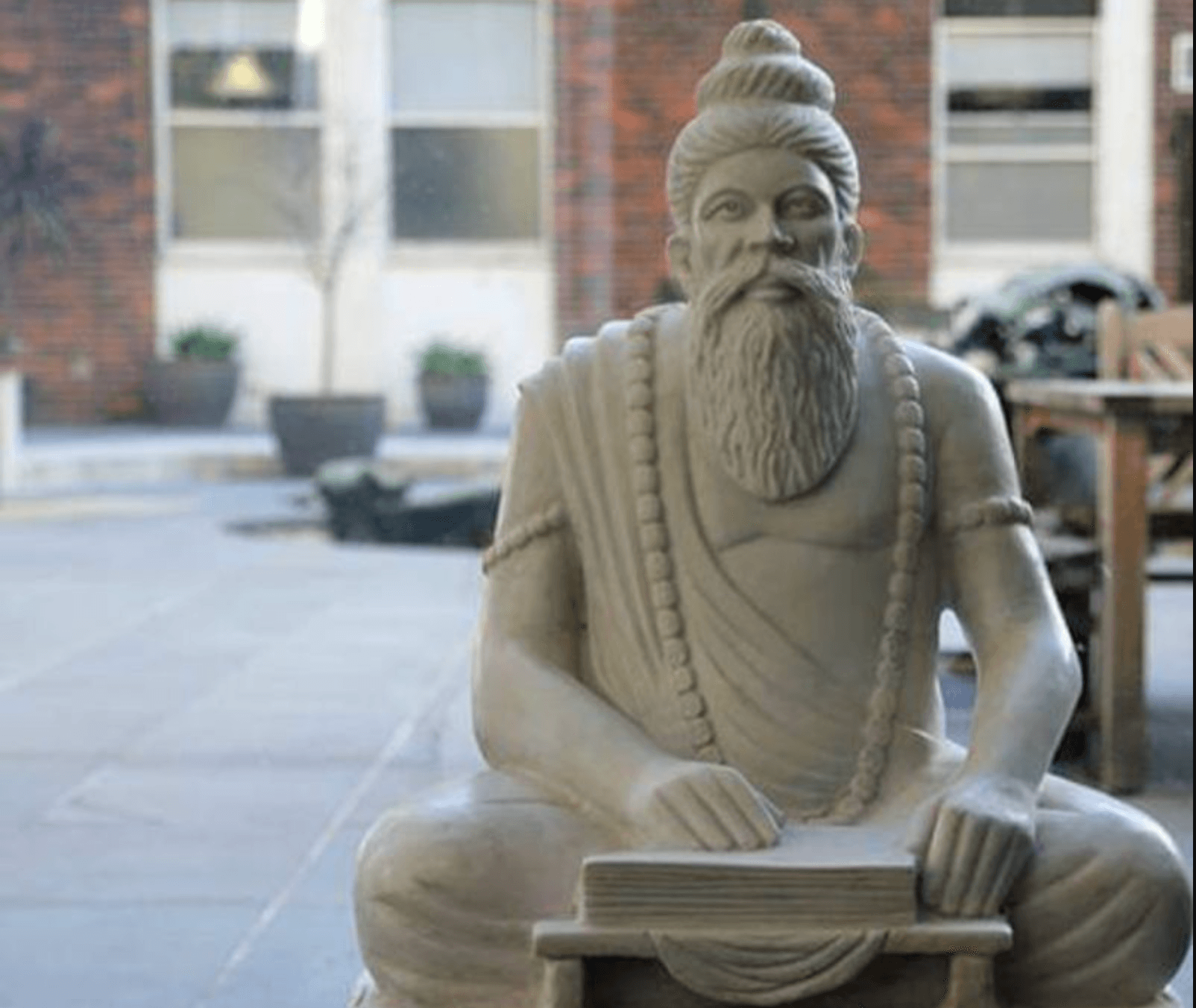
  • Unveiling of a bronze statue of Maharishi Sushruta, the Father of Surgery, at The Royal College of Surgeons of Edinburgh.
  • Emphasizes the cultural significance of Sushruta in surgical practices and the necessity of similar recognitions in India.
  • Nobel Laureate Tu Youyou (2015, Physiology or Medicine) highlighted the role of cultural legacies in inspiring scientific research, relating her achievements to traditional medicine.

Constitutional Context

  • The scenario reflects on civic responsibilities and the need for safety regulations, indirectly connected to the Right to Life under Article 21 of the Indian Constitution, mandating the state to ensure public safety.

Governance and Policy Implications

  • The discussion hints at the necessity for stringent enforcement of safety laws and standards which are critical to public safety and welfare.

Economic Considerations

  • The lack of compliance with safety and electrical standards can result in financial losses due to damages from fires, potentially impacting local economies.

Key Takeaways

  • Fire safety standards need substantial reform and enforcement.
  • Enhanced recognition of historical figures in science can foster cultural pride and scientific inspiration in India.
  • An alignment of cultural values with contemporary scientific research is essential for holistic development.
  • The articles discussed reinforce the interconnectedness between safety regulations, cultural heritage, and scientific advancement.

Key Terms & Concepts

Maharishi SushrutaFather of Surgery recognition
Royal College of Surgeons of EdinburghLocation of statue unveiling
Tu YouyouNobel Prize in Physiology
Nobel Prize 2015Award for antimalarial discovery
fire safety standardsNeed for national overhaul
electrical wiring standardsOutdated and poorly enforced
National ReviewUrgent review for safety

Mind Map for UPSC Civil Services Revision

Turn UPSC Civil Services Current Affairs Into Exam-Ready Notes

Reading Environmental and Ecology current affairs is half the work. Revise them with ready-made notes and test what actually stuck.

  • Daily UPSC Civil Services current affairs analysis
  • Revision notes, mind maps & MCQs
  • Prelims mock tests with instant results

Related UPSC Civil Services Current Affairs Articles

Blowout Incident in Assam Oil Well
Environmental and Ecology23-Jun-2025

Blowout Incident in Assam Oil Well

On June 12, 2025, a significant blowout occurred at an oil well in the Sivasagar district of Assam, India. This incident involved the sudden eruption of gas, which is typical of such blowouts, characterized by an overpowering underground pressure that breaches containment equipment. The Oil and Natural Gas Corporation, Ltd. (ONGC) mobilized well-control experts from the United States to manage the crisis.

Summary of the Incident:

  • Blowout Definition: A blowout refers to an accident at natural gas or oil wells when underground pressure overcomes safety equipment, leading to uncontrolled gas and oil discharge. This often occurs when drilling mud fails to resist internal pressure due to mechanical failures or improper estimates.

  • Operational Process: Normally, drilling involves pushing drilling mud into the well to maintain pressure and prevent blowouts, supplemented by blowout preventers (BOPs)—powerful valves designed to seal the well.

  • Hazards: Blowouts present significant dangers—including the risk of explosions due to the flammability of natural gas—and environmental pollution. They can be costly and labor-intensive to control, requiring specialized teams and equipment working continuously over extended periods.

Chronology and Response:

  • June 12, 2025: The blowout incident in Sivasagar district occurred, prompting immediate evacuation measures.
  • Evacuations: Over 1,500 local residents were evacuated to ensure their safety from potential explosions and environmental hazards associated with the blowout.
  • International Assistance: ONGC enlisted the help of well-control experts from the United States, emphasizing the severity and technical challenges of the situation.
  • Situation Control: By June 21, ONGC reported that they had managed to bring the flow of gas under control, indicating progress in addressing the situation.

Economic and Environmental Impact:

  • Cost Implications: Managing blowouts is not only hazardous but also incurs substantial financial costs due to extensive efforts required to cap the wells. The economic toll includes both immediate costs and long-term environmental repercussions, such as potential damage to local ecosystems.

  • Safety Measures: The incident underscores the importance of stringent safety protocols and effective monitoring systems in the oil and gas industry to mitigate the risks associated with high-pressure systems.

Conclusion:

The blowout event in Assam illustrates the complexities and dangers inherent in oil and gas extraction, highlighting the need for robust safety measures, preparedness for emergencies, and ongoing training for workers in the sector. The combined efforts of ONGC and international experts reflect the critical nature of rapid response in preventing disasters and ensuring community safety.

Key Points:

  • A blowout can occur when underground pressure surpasses containment, resulting in uncontrolled gas emissions.
  • ONGC responded by evoking expertise from the U.S. after the June 12 blowout.
  • Over 1,500 residents were evacuated for safety.
  • By June 21, gas flow was reportedly under control.
  • Economic implications include significant costs and potential environmental damage associated with managing blowouts.
Native Fish Conservation Efforts
Environmental and Ecology21-Jun-2025

Native Fish Conservation Efforts

Summary

The article provides an insightful look into the passion of Beta Mahatvaraj, a management professional and the Chief Operating Officer at an agro-tech startup, who dedicates his time to the conservation of India's native fish species. Despite his corporate background, Mahatvaraj's enthusiasm for fish biology began at an early age and has led him on numerous expeditions across India, particularly in the Western Ghats and northeastern regions.

Key Points:

  • Background of Beta Mahatvaraj:

    • Age: 45, hailing from Ernakulam.
    • Professional background: Formerly with a multinational corporation, now a COO at an agro-tech startup.
  • Fish Conservation Efforts:

    • Mahatvaraj maintains over a dozen fish tanks at his home, exclusively featuring native Indian species, including:
      • Tambraparni Barb (Western Ghats)
      • Golden Cobra Snakehead (Northeastern India)
      • Denison Barb (Kerala and Karnataka)
      • Canara Pearlspot (Western Ghats)
    • He engages in fieldwork, trekking through coastal regions and valleys to document and photograph these species, referring to his journeys as revitalizing opportunities to rediscover biodiversity.
  • Threats to Native Fish Species:

    • The loss of native species is attributed to:
      • Invasive species competition.
      • Destructive fishing practices.
      • Environmental pollution including waste dumping and pesticide runoff.
  • Personal Adventures and Community Impact:

    • Mahatvaraj undertakes expeditions during long weekends with fellow enthusiasts, prioritizing daylight for snorkeling and observing native habitats.
    • Family support is crucial to his endeavors, although challenging terrains often deter him from bringing his children along.
  • Recognition and Contributions:

    • Mahatvaraj is not merely a hobbyist; he actively contributes to scientific knowledge, with a species named in his honor.
    • In 2010, he collaborated with scientists from India and Sweden in describing a new fish genus named Betadevario ramachandrani, highlighting his impact on ichthyology.
  • Philosophy on Passion versus Profession:

    • Mahatvaraj distinguishes his passion for fish conservation from his professional duties, asserting that transforming a beloved hobby into a job could diminish its joy.
    • He finds fulfillment in aiding farmers through his professional work while pursuing fish conservation as a legacy rather than a livelihood.

This narrative illustrates a commitment to preserving India's aquatic biodiversity, showcases the value of personal passion in enriching scientific research, and underscores the pressing challenges facing native fish populations.

  • Publication Date: June 21, 2025
  • Geographical Focus: India, specifically regions including Ernakulam, Western Ghats of Karnataka, and Northeast India.

Through his dual role as a corporate professional and a passionate conservationist, Beta Mahatvaraj serves as a compelling example of how individual commitment can foster broader ecological awareness and action.