iAspirants
Sarnath Ancient Buddhist Site Recognized
Published on:
Share this post
Article Summary
UNESCO World Heritage Site: Ancient Buddhist Site of Sarnath
UNESCO Recognition:
- Sarnath designated as a UNESCO World Heritage Site during the 48th session of the World Heritage Committee in Busan, South Korea.
- This marks India's 45th site on the World Heritage list.
- Sarnath recognized for its cultural heritage, architectural excellence, regional identity, and historical continuity.
Significance of Sarnath:
- Sarnath is known for being the site where Lord Buddha delivered his first sermon (Dharmachakra Pravartana) in the 6th century BCE.
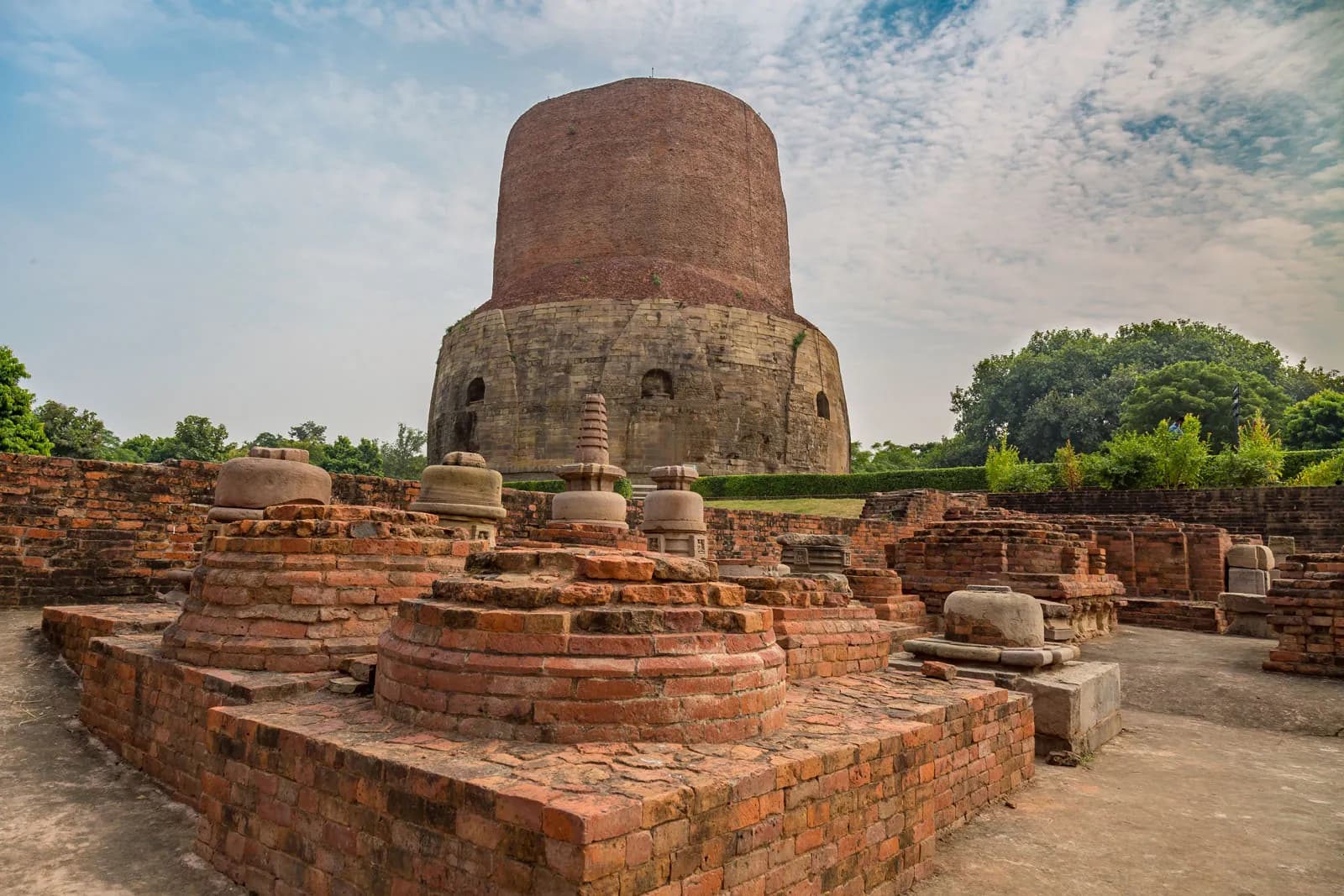
- The site comprises two main components: Chaukhandi Stupa and archaeological remains, including Dhamek Stupa, Dharmarajika Stupa, and the Ashoka Pillar.
- It is one of the four main pilgrimage sites for Buddhists.
Historical Context:
- Sarnath has been a significant religious center, with a history of royal and monastic patronage.
- The site includes relics dating from the pre-Mauryan period (5th-4th century BCE) to the 12th century CE.
- Rediscovered in the 18th century after a period of decline following the 12th century.
UNESCO Nomination Process:
- Sarnath was included in the tentative list for UNESCO in 1998.
- The nomination proposal was submitted in January 2025, followed by an 18-month evaluation process involving technical meetings and site inspections.
Criteria for Inclusion:
- Sarnath was nominated under criteria (iii) for its historical significance as a Buddhist pilgrimage site and (vi) for its direct connection to significant events in Buddha's life.
Cultural Diplomacy:
- This designation enhances India's cultural diplomacy with countries like Japan, Thailand, Sri Lanka, and others, promoting Buddhist heritage.
- The recognition aids in reinforcing India's identity as the birthplace of Buddhism.
Government Initiatives:
- The Archaeological Survey of India (ASI) has been engaged in the excavation and preservation of Sarnath for over 150 years.
- The government aims to manage tourism sustainably while preserving the authenticity and integrity of the site.
Global Context:
- India ranks 6th globally and 2nd in the Asia-Pacific region for the number of UNESCO World Heritage Sites, with 69 sites listed as potential candidates.
- The World Heritage Convention, approved by 196 countries in 1972, works towards the preservation of cultural and natural heritage.
Future Prospects:
- The designation is expected to bolster international connections and highlight India's expertise in heritage conservation.
- Sustainable tourism management plans are to be implemented to protect the site from unplanned developments.
Key Takeaways:
- Sarnath's World Heritage status is a testament to its global significance and India’s commitment to heritage conservation.
- The site represents a milestone in recognizing the cultural and historical importance of Buddhism worldwide.
This summary encapsulates the essential facts, figures, and implications of Sarnath's designation as a UNESCO World Heritage Site, focusing on its historical, cultural, and diplomatic significance.
Key Terms & Concepts
| Sarnath | Ancient Buddhist site recognized |
| UNESCO | World Heritage Committee |
| 2025-26 | Cycle for official nomination |
| 45th Heritage | India's 45th heritage site |
| Ashoka Pillar | National emblem of India |
| ICOMOS | Advisory body for heritage |
| 1907-1908 | Excavation period for Sarnath |
| Buddha's First Sermon | Significant event in Buddhism |
| Cultural Diplomacy | Strengthening ties with countries |
| ASI | Archaeological Survey of India |
| World Heritage Convention 1972 | Framework for heritage protection |
| 69 Sites | Potential UNESCO Heritage sites |
| Buddhist Pilgrimage |