iAspirants
SCO Summit Highlights and Developments
Published on:
Source: The Hindu
Share this post
Article Summary
Exam-Focused Notes
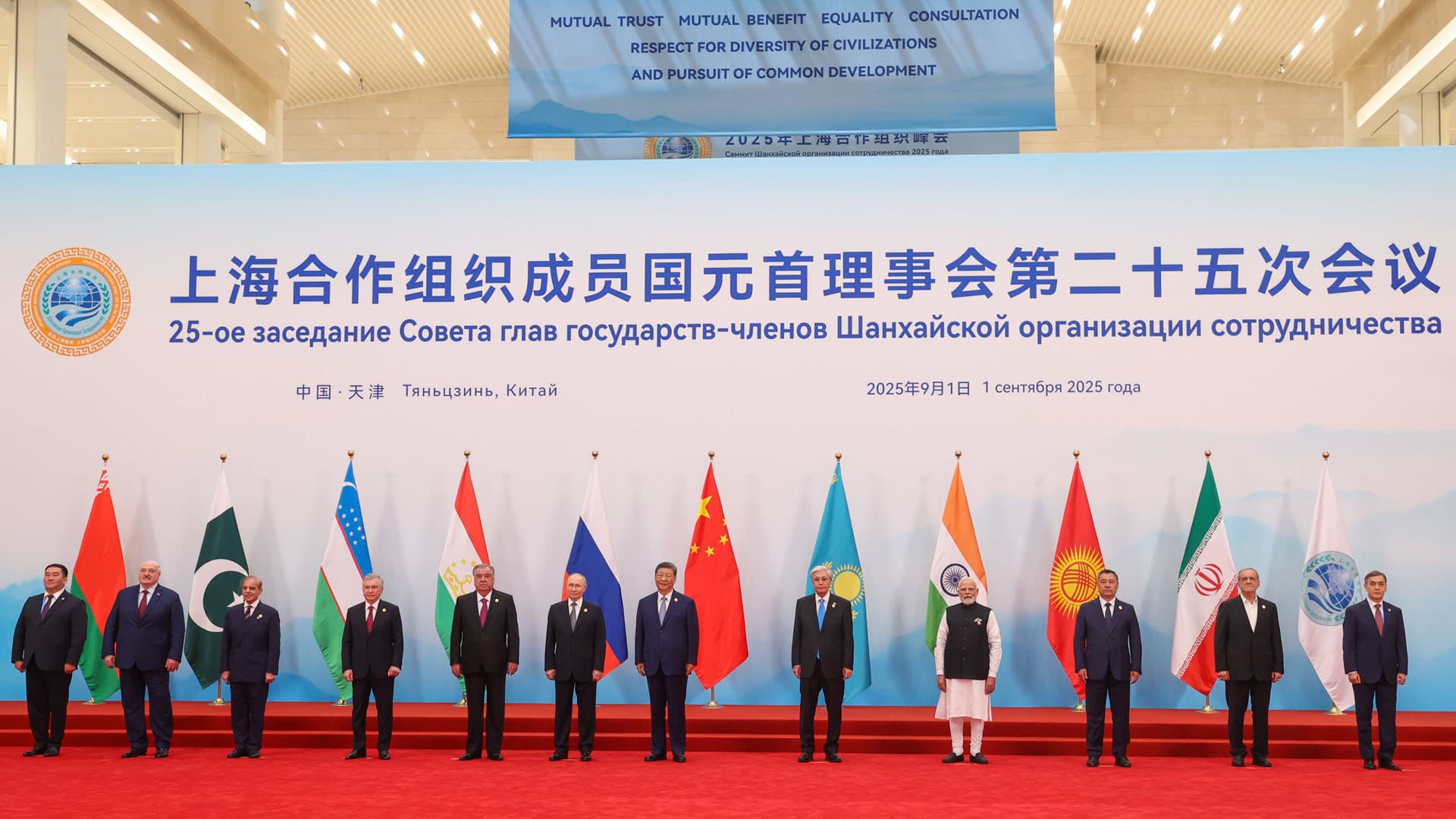
Event: 26th Shanghai Cooperation Organisation (SCO) Summit
Location: Bishkek, Kyrgyz Republic
Dates: August 31 - September 1, 2026
Key Participants:
- Prime Minister Narendra Modi (India)
- President Vladimir Putin (Russia)
- President Xi Jinping (China)
- President Masoud Pezeshkian (Iran)
- Leaders from other SCO member states
Background:
- SCO was established on June 15, 2001, with founding members China, Russia, Kazakhstan, Kyrgyz Republic, and Tajikistan.
- India and Pakistan joined the SCO in 2017.
Major Outcomes:
Bishkek Declaration:
- Condemnation of Military Strikes: Expressed “deep concern” over military strikes on Iran, condemned the U.S. and Israel, and reaffirmed support for Iran's sovereignty.
- Right to Nuclear Development: Advocated for the "inalienable right" of member countries to develop atomic energy for peaceful purposes.
- Palestine Issue: Emphasized that stability in West Asia relies on a just settlement of the Palestine issue.
- Critique of Missile Defense Systems: Criticized the unilateral build-up of global missile defense systems.
- Unauthorized Internet Services: Mentioned that unauthorized satellite Internet services violated international law.
India’s Position:
- Modi highlighted "no double standards" on terrorism and emphasized connectivity while respecting sovereignty.
- Called for an inclusive government formation in Afghanistan.
- Noteworthy absence of endorsement for the China-Pakistan Economic Corridor (CPEC) despite other members’ support for the Belt and Road Initiative (BRI).
Security and Political Context:
- Recognized a troika of challenges: terrorism, separatism, and extremism.
- The summit addressed broader geopolitical issues, including the Ukraine war, without direct condemnation of Russia.
Future Engagements:
- Pakistan will assume the SCO chairmanship for the next summit.
- Modi's possible attendance remains uncertain due to escalating tensions, highlighted by prior incidents such as the Pahalgam terror attack and India placing the Indus Waters Treaty 'in abeyance'.
SCO Structure and Functionality:
- Comprises 29 charter bodies, facilitating regular meetings on various concerns among member states.
- Provides a platform for member countries, including India and Pakistan, to engage in dialogue, which is critical for regional stability.
Economic Considerations:
- Leaders suggested an increased preference for local currencies in trade, challenging the existing U.S.-led dollar system.
- Announcement of the establishment of the SCO Development Bank.
Diplomatic Engagements:
- India’s use of SCO for advancing diplomatic objectives is noted, with historical context around meetings such as 2024 Kazan Summit and 2025 Tianjin Summit focusing on India-China relations.
Implications:
- The outcomes of this summit signify SCO's role in addressing regional tensions and conflicts, promoting stability, and facilitating economic and strategic cooperation among its members.
- The evolving dynamics reflect the influence of geopolitical axis realignments and the potential for future cooperation or conflict.
Conclusion:
The 26th SCO summit marks a significant diplomatic gathering addressing pressing international issues of security, economic collaboration, and regional governance amidst geopolitical tensions, especially concerning Iran and Afghanistan. As the organization adapts, its ability to mediate disputes and foster economic ties will be pivotal for its members.
Key Terms & Concepts
| Shanghai Cooperation Organisation | Multilateral platform for dialogue |
| Bishkek Declaration | Condemned military strikes on Iran |
| June 15, 2001 | Date of SCO establishment |
| August 31 - September 1, 2026 | Date of 26th SCO summit |
| China-Pakistan Economic Corridor (CPEC) | Reference point in connectivity |
| Indus Waters Treaty | Treaty placed in abeyance |
| SCO Development Bank | Establishment announced for trade |
| Operation Sindoor | India's military action in April 2025 |
| 29 charter bodies | Framework for member state communication |
| 2025 Tianjin Summit | Platform for India-China engagement |
| 2024 Kazan Summit | Site for Modi-Xi meeting |