iAspirants
Current AffairsPrelims PYQsUPSC CSE SyllabusUPSC CSE StrategyBlogsPricing
Login
iAspirants
Current AffairsPrelims PYQsUPSC CSE SyllabusUPSC CSE StrategyBlogsPricingContact UsLoginSignUp
iAspirants

Your AI-powered companion for UPSC preparation.

Study Resources

  • Current Affairs
  • Prelims PYQs
  • UPSC CSE Syllabus
  • UPSC CSE Strategy
  • Blogs

Practice & Plans

  • Mains Answer Evaluation
  • Pricing
  • Sign Up
  • Login

Company

  • Home
  • About Us
  • Contact Us
  • FAQs

Legal

  • Privacy Policy
  • Terms & Conditions
  • Return Policy

© 2026 iAspirants, Inc. All rights reserved.

  1. Blogs
  2. National and International Importance

Search for Crew of Sunken Ship

Published on: 24-Aug-2026

Source: The Hindu

Share this post

Search for Crew of Sunken Ship

Article Summary

Summary of Incident Involving M.V. Ocean Winner

Incident Overview:

  • Vessel: M.V. Ocean Winner (IMO 9145530)
  • Flag: Panama
  • Cargo: Iron ore
  • Crew: 24 members (20 Chinese, 3 Myanmarese, 1 Bangladeshi)
  • Departure: Left Paradip Port on August 20, 2026
  • Location of Incident: Bay of Bengal, approximately 700 km East of Visakhapatnam

Search and Rescue Operations:

  • Agencies Involved: Indian Navy, Indian Coast Guard (ICG)
  • Rescued Crew Members: 2 crew members rescued by MT Aisopos on August 22, 2026
  • Search Duration: Ongoing, with operations continuing over 24 hours post-incident
  • Resources Deployed: P8I surveillance aircraft from the Eastern Naval Command, coordination with Maritime Rescue Coordination Centre (MRCC) at Sri Vijaya Puram
  • Findings: Two floating liferafts and oil slick detected during aerial search

Vessel Details:

  • Age: 28 years (built in 1998)
  • Dimensions: Length - 225 meters, Width - 32.26 meters
  • Cargo Capacity: Approximately 73,000 tonnes
  • Inspection History: Periodic inspections revealed deficiencies; last inspection in June 2026 reported three deficiencies, including issues with the magnetic compass.

Insurance Information:

  • Coverage: Protection and Indemnity insurance active since August 1, 2026, to compensate for loss of life.

Additional Context:

  • Ship Ownership: The vessel has changed ownership multiple times, currently owned by an entity based in Fujian, China.
  • Operational Status: The vessel was reportedly in its end-of-life period with noted deficiencies affecting its seaworthiness.

Relevant Legal and Regulatory Framework:

  • International Maritime Regulations: Compliance with maritime safety regulations and inspections by national authorities is critical for operational vessels.
  • Search and Rescue Protocols: Governed by international maritime law, ensuring the safety of life at sea.

This incident underscores the importance of stringent maritime safety standards and the efficacy of international cooperation in search and rescue operations.

Key Terms & Concepts

M.V. Ocean WinnerSank in Bay of Bengal
Bay of BengalLocation of incident
Indian NavyConducting rescue operations
Indian Coast GuardAssisting in rescue operations
Paradip PortDeparture point of vessel
IMO 9145530Vessel's identification number
P8I surveillance aircraftAircraft used in search
MT AisoposAssisted in rescue
EquasisMerchant shipping database
73,000 tonnesCargo capacity of vessel
225 metresLength of vessel
32.26 metresWidth of vessel
August 1, 2026Insurance start date

Mind Map for UPSC Civil Services Revision

Turn UPSC Civil Services Current Affairs Into Exam-Ready Notes

Reading National and International Importance current affairs is half the work. Revise them with ready-made notes and test what actually stuck.

  • Daily UPSC Civil Services current affairs analysis
  • Revision notes, mind maps & MCQs
  • Prelims mock tests with instant results

Related UPSC Civil Services Current Affairs Articles

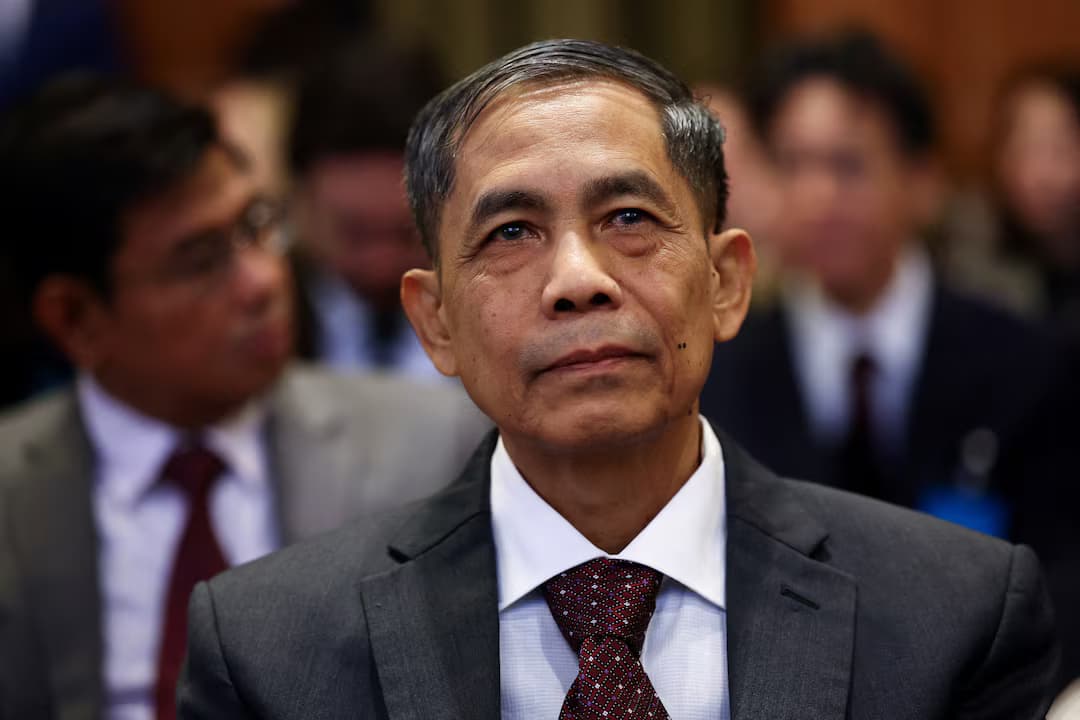
ICJ Ruling on Myanmar's Genocide
International Relations23-Nov-2026

ICJ Ruling on Myanmar's Genocide

International Court of Justice (ICJ) Ruling on Myanmar's Rohingya Crisis

Key Facts and Data:

  • Case Overview: The ICJ ruling addresses Myanmar's military campaign (2016-17) against the Rohingya minority, marking a historic finding of genocide.
  • Casualties: The 2017 military operations in Rakhine State led to over fleeing to Bangladesh.
Fujian, ChinaCurrent owner's location
Chittagong, BangladeshLast inspection location
Practise Mains answer writingUpload a handwritten answer and get it evaluated
700,000 Rohingya
  • Citizenship Law: The 1982 Citizenship Law in Myanmar effectively stripped the Rohingya of citizenship, rendering them stateless.
  • Judicial Findings:

    • Genocide Definition: The ICJ’s ruling is significant as it establishes Myanmar's "specific intent" to commit genocide, aligning with the 1948 Genocide Convention.
    • Historical Precedents: Previous ICJ judgments, such as in 2007 against Serbia, acknowledged failure to prevent genocide without direct involvement. The Rohingya case represents a stricter interpretation.

    International Implications:

    • Next Steps for International Law: The ruling could affect ongoing legal proceedings, such as South Africa's case against Israel for its actions in Gaza.
    • Enforcement Challenges: The ruling's effectiveness hinges on the UN Security Council's ability to enforce it, which is hindered by veto powers from Russia and China, who support Myanmar's junta and have called for reforms in international governance.

    Humanitarian Concerns:

    • Current Refugee Situation: Bangladesh hosts about 1.2 million Rohingya but has not granted formal refugee status. Living conditions in refugee camps are deteriorating, with restricted movement and employment opportunities.
    • Regional Responses: Countries neighboring Myanmar, such as Malaysia and India, have enacted policies of repatriation or expulsion for Rohingya individuals.

    Recommendations:

    • Pressure on Myanmar: There is a call for the international community to exert pressure on Myanmar to comply with the ICJ's orders regarding internal investigations and compensation for the Rohingya.

    Constitutional and Legal Framework:

    • 1948 Genocide Convention: This international treaty serves as the legal basis for the ICJ's ruling on the actions taken against the Rohingya.

    This summary captures crucial facts, international judicial rulings, and the continuing humanitarian crisis faced by the Rohingya, as well as the broader implications for global governance and justice.

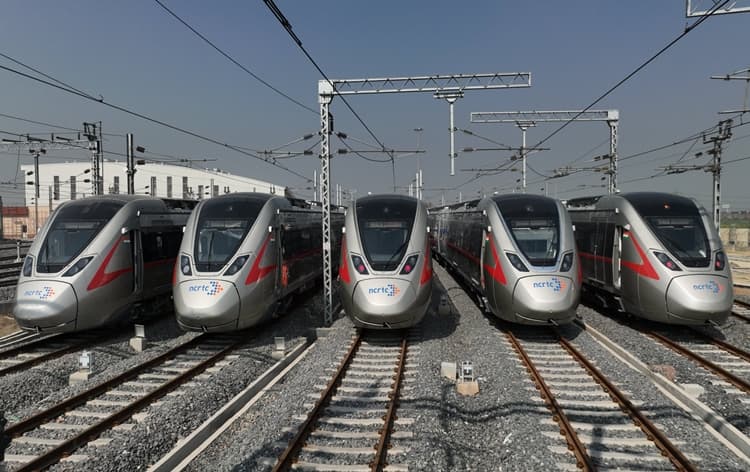
    Transforming Urban Transportation in India
    National and International Importance22-Nov-2026

    Transforming Urban Transportation in India

    Summary Notes on Urban Mobility and Innovations in India

    1. Organizational Framework:

    • World Resources Institute (WRI) India: Focused on urban transition, energy transition, and food, land & water transition. Works with governments and civil society on sustainable development.

    2. Urban Transportation Challenges:

    • Increasing traffic congestion in Indian cities due to underdeveloped public transportation and high reliance on private vehicles.
    • The liberalization of 1991 has led to increased per capita income, altering public transportation infrastructure demands.
    • Government policies predominantly incentivize private vehicle usage, necessitating a shift towards comprehensive public infrastructure.

    3. Policy Recommendations:

    • Move towards integration of transportation services, promoting public transport over private vehicle dependency.
    • Learning from global examples like Paris, cities can implement more dedicated cycling lanes and congestion management strategies.

    4. Transport Analytics Hub:

    • A digital tool aimed at enhancing understanding of city-level mobility through indicators such as:
      • Modal share of transport modes used by citizens.
      • Average trip length and road safety statistics.
      • Data on electrification rates of vehicles and accessibility to public transport.
    • Information developed is visualized and made accessible to support city planning.

    5. Global Innovations Impacting Urban Mobility:

    • Technologies like CityData.AI for mobility analytics, Optibus for bus operation optimization, and demand-responsive transport platforms (e.g., Via) are changing how cities manage transport efficiencies.
    • Adaptive traffic signal systems recommended to facilitate smoother traffic and better public transport prioritization.

    6. Legal Considerations and Infrastructure Needs:

    • Congestion pricing discussions in cities like Delhi and Mumbai emphasize the need for supportive infrastructure, highlighting the hesitance due to inadequate alternative routes.
    • Traffic management reliant on technology must be scaled up in cities, integrating various transport networks for cohesive operation.

    7. Last-Mile Mobility Solutions:

    • Station Access and Mobility Program (STAMP) aims to enhance last-mile connectivity by integrating technology and mobility services, encouraging the co-existence of various transport modes based on distance and cost.

    8. Engagement with Startups:

    • WRI collaborates with Indian startups for solutions to urban mobility challenges through a structured accelerator framework, focusing on behavioral nudges for transport usage.
    • Examples include initiatives like Tummoc, developing transport planning apps, benefiting from partnerships with corporations and public agencies.

    9. Prominent Indian Startups in Urban Mobility:

    • Nayan Tech: Analyzes traffic and driver data using AI.
    • Street Surge Technologies: Implements route optimization using data analytics.
    • Videonetics: Utilizes video surveillance and automated number plate recognition for traffic enforcement.
    • Startups enhancing public transport like Chalo and innovations in autonomous driving from Minus Zero.

    Conclusion: Increasing urbanization and vehicular reliance in India present significant challenges for transportation systems. Implementing integrated technological solutions and evolving public policy can improve mobility outcomes, foster sustainable practices, and enhance accessibility to vital urban services.

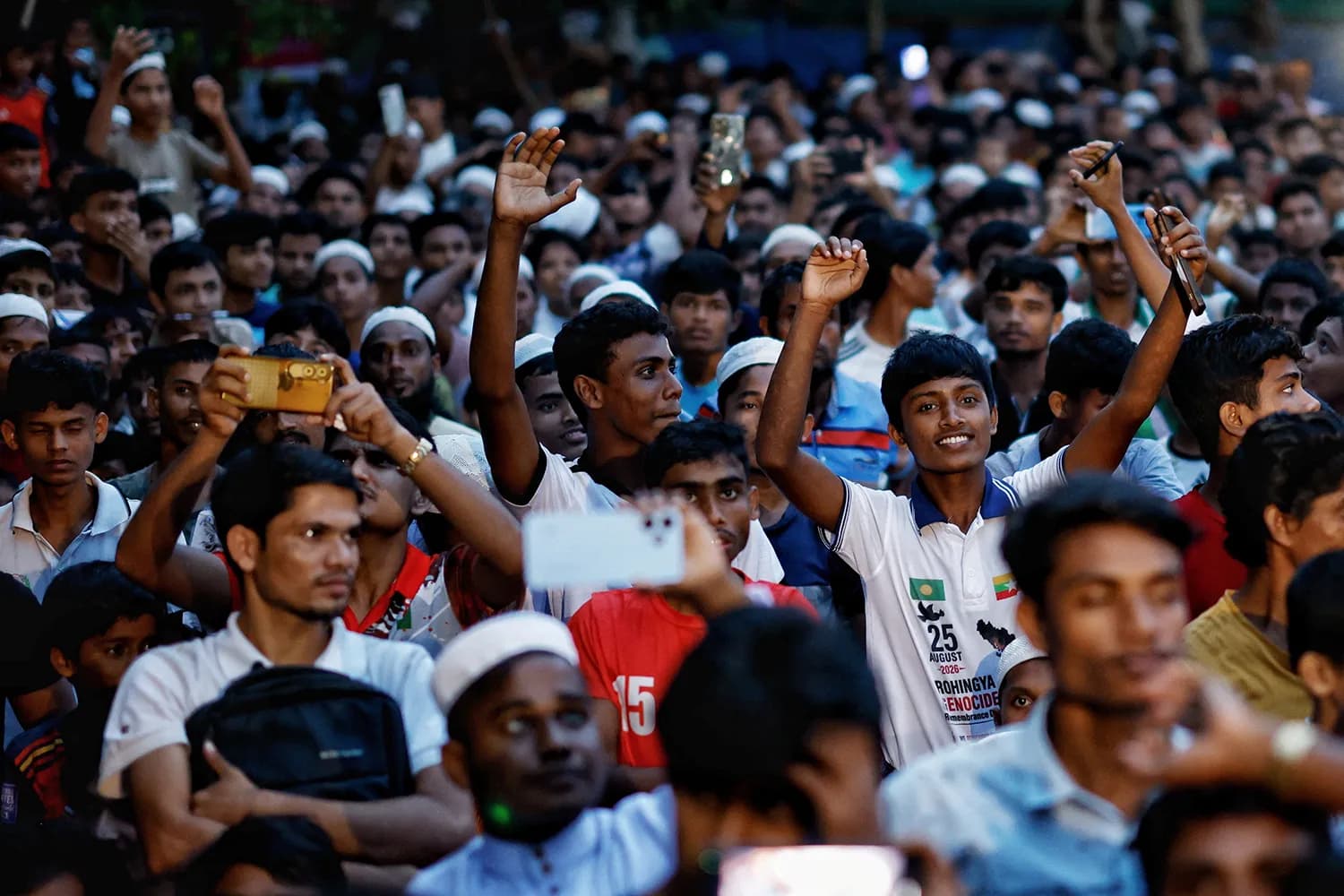
    ICJ Rules Genocide Against Rohingya
    International Relations21-Nov-2026

    ICJ Rules Genocide Against Rohingya

    International Court of Justice (ICJ) Ruling on Myanmar

    Key Facts and Legal Precedents:

    • The ICJ ruled that Myanmar is guilty of genocide against the Rohingya minority during the military campaign of 2016-17.
    • This marks a significant precedent as it is the first time a state has been found guilty of genocide under the 1948 Genocide Convention.
    • The court utilized the “specific intent” (dolus specialis) principle to establish genocidal intent based on overwhelming evidence.

    Historical Context:

    • The Rohingya have faced prolonged persecution, exacerbated by the 1982 citizenship law, rendering the majority stateless.
    • The 2017 military operations in northern Rakhine State led to mass killings and sexual violence, forcing over 700,000 Rohingya to flee to Bangladesh.

    Judicial Implications:

    • The ICJ highlighted that the evidence points to genocidal intent being the only reasonable conclusion for the atrocities committed.
    • This ruling could influence ongoing cases, such as South Africa's case against Israel regarding actions in Gaza.

    Challenges to Enforcement:

    • Although the verdict represents a moral victory, enforcement poses significant challenges:
      • Only the UN Security Council can implement ICJ rulings.
      • Russia and China, which support Myanmar’s junta, hold veto power in the Security Council.
    • On the same day as the ruling, the US, Russia, and China collectively called for reform of the UN and also criticized bodies like the International Criminal Court.

    Humanitarian Situation:

    • Bangladesh, hosting about 1.2 million Rohingya, does not formally recognize them as refugees, which restricts their movement and employment opportunities.
    • Conditions in refugee camps are worsening amid dwindling aid.
    • Malaysia has begun sending Rohingya back to Myanmar and plans to resettle 10,000 in Turkey.
    • India has adopted a similar stance, undertaking expulsions of Rohingya individuals.

    Recommendations for International Response:

    • There is a pressing need for countries to exert pressure on Myanmar to heed the ICJ ruling.
    • Suggested actions include facilitating internal investigations, and ensuring restitution and compensation for the affected Rohingya population.

    Conclusion:

    The ICJ's ruling against Myanmar signifies a critical development in international law but indicates a complex geopolitical landscape that may hinder the resolution of the Rohingya crisis. The plight of the Rohingya continues despite a landmark judicial verdict, underlining the vital role of international cooperation in addressing humanitarian issues.