iAspirants
Shift from Globalization to Protectionism
Published on:
Share this post
Article Summary
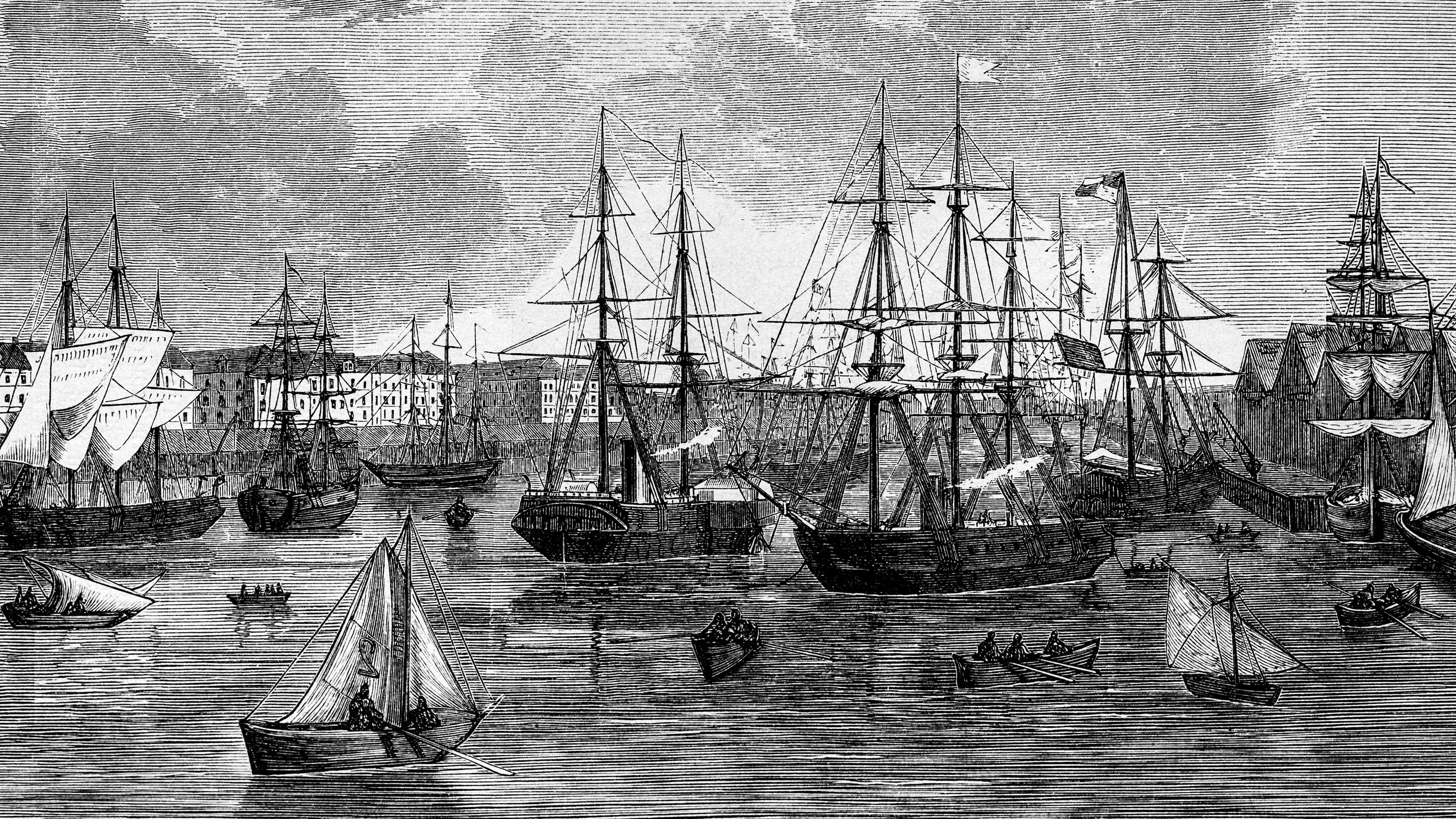
Historical Context and Philosophy: Montesquieu's concept of doux commerce posited that trade fosters civility and peace, suggesting that global interdependence lowers the likelihood of conflict. Historically, the assumption was that economic ties would lead to mutual respect and stability among nations.
Current Geoeconomic Landscape:
- The global trading system is undergoing a shift from cooperative interdependence to competitive protectionism, characterized by tariffs, export controls, and “Buy National” initiatives.
- Maximized interdependence coupled with minimal trust among nations is creating a perception of economic vulnerability rather than stability.
Impact of Protectionism:
- The era of cooperation is being replaced by suspicion and hostility. This transition is evident in the movement from multilateral trade agreements (like WTO frameworks) to a focus on bilateral agreements.
- Companies that once prioritized cost-efficiency are now prioritizing the reliability of trade partners based on friendship and strategic alliances—referred to as “friend-shoring” and “near-shoring.”
Economic Indicators and Consumer Effects:
- The rising costs associated with this shift are expected to impact consumers, reflected in increased prices at stores due to tariffs and protectionist measures.
- Global supply chains are now vulnerable to geopolitical events, with the potential for disruptions in trade during crises, such as pandemics or military conflicts.
Long-term Consequences:
- The potential for trade to act as a tool of mutual growth is diminishing; instead, trade is increasingly being used as a weapon against perceived rivals.
- The global economy, once viewed as a benign marketplace, is transforming into a strategic battlefield, raising fears of military conflict if economic cooperation ceases.
Cultural and Social Implications:
- Reduced trade with nations deemed “enemies” threatens cross-cultural understanding and tolerance, underlying the social dimension of economic interactions emphasized by Montesquieu.
- The retreat into protectionist economic policies can escalate tensions between nations, leading to a breakdown of diplomatic relations.
Philosophical Shift:
- The world appears to be regressing from a collaborative, trade-based approach to an adversarial mindset, evoking a Hobbesian state of nature, where might prevails over reason.
- The ideal of mutual benefit derived from commerce is being compromised by nationalistic agendas and fear-based policies.
Conclusion:
- As international relations evolve, the foundational principles of global trade and cooperation are under threat, raising concerns about future geopolitical stability and the potential return to militaristic conflict if economic dialogues fail.
These notes encapsulate the core philosophical, economic, and geopolitical themes of the article, providing a comprehensive overview of the current global trade environment and its implications.
Key Terms & Concepts
| World Trade Organisation | Regulatory body for trade |
| doux commerce | Trade's softening effect |
| Prisoner’s Dilemma | Economic cooperation concept |
| semiconductors | Used as diplomatic leverage |
| tariffs | Trade policy tool |
| friend-shoring | Trade with trusted partners |
| near-shoring | Rely on nearby suppliers |
| Fortress Economy | Shift towards protectionism |