iAspirants
Smart Seed Technology Enhances Agriculture
Published on:
Share this post
Article Summary
Exam-Focused Notes on ICAR-IIOR Smart Seed Coating Technology
Overview
- Institute: Indian Council of Agricultural Research - Indian Institute of Oilseeds Research (ICAR-IIOR), Hyderabad.
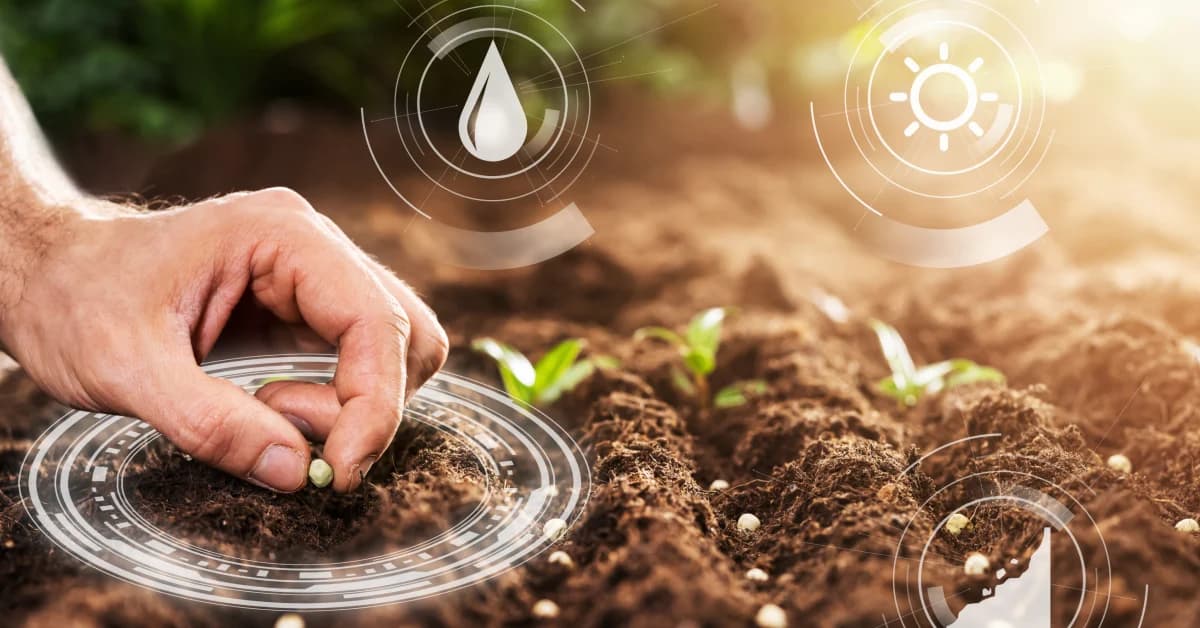
- Innovation: Development of a biopolymer-based smart seed coating technology aimed at enhancing seed quality and crop establishment to promote climate-resilient agriculture.
Key Features of Smart Seed Technology
- Yield Increase: Demonstrated yield increases of up to 30% for crops like peanuts and soybeans.
- Biodegradable Coating: The technology uses biodegradable biopolymeric materials to create a multifunctional protective layer around seeds.
- Microenvironment: The protective layer serves as a carrier system for beneficial microorganisms, nutrients, and growth-promoting compounds, enhancing germination and crop establishment.
Agricultural Challenges Addressed
- Climate Change Impact: Tackles challenges such as irregular rainfall, drought, temperature fluctuations, soil erosion, and emerging pests and diseases.
- Seed Quality Importance: Ensuring superior seed quality is critical for improving agricultural productivity, especially under optimal management conditions.
Performance Data
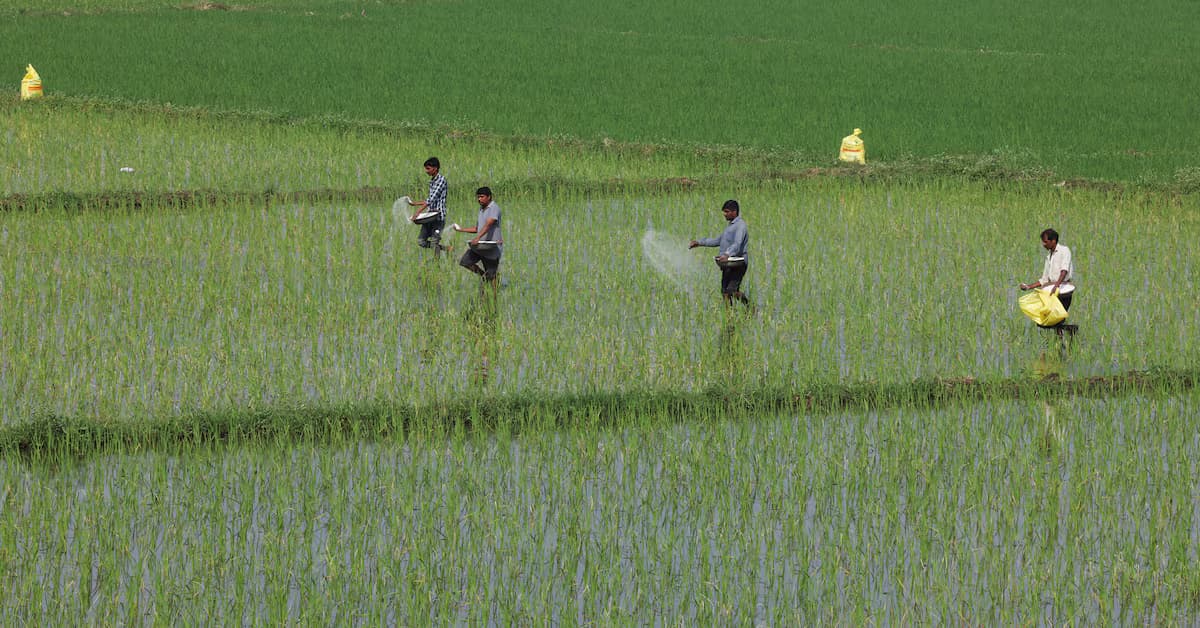
- Field Trials: Regional demonstrations in Telangana showed notable improvements in crop establishment and productivity, with a recorded yield increase of approximately 30% compared to traditional practices.
- Multicrop Benefits: Similar positive effects observed across various crops including soybean, maize, peanut, chickpea, cotton, mustard, and arhar, with productivity improvements ranging from 12-37% in multi-location trials.
Relevance to Rainfed Agriculture
- Target Area: The technology is particularly relevant for rainfed agriculture, which constitutes a significant portion of India’s agricultural land and is highly sensitive to climatic uncertainties.
Broader Implications
- Sustainable Agriculture: Aligns with national priorities for sustainable agriculture, climate change adaptation, and improved resource use efficiency.
- Food Security: Enhancements in agricultural productivity can contribute significantly to national food, nutrition, and economic security efforts.
Partnerships and Implementation
- Collaboration: ICAR-IIOR is promoting partnerships with public and private seed systems to facilitate the widespread adoption of smart seed technologies.
- Stakeholders: Involvement of state seed development corporations, National Seed Corporation, cooperatives, Farmer Producer Organizations (FPOs), and private seed companies.
Future Directions
- Research Focus: Continued research on next-generation seed enhancement technologies incorporating biopolymers, beneficial microbes, and eco-friendly formulations.
- Goal: To convert traditional seeds into climate-resilient smart seeds, thereby improving agricultural productivity and farmer livelihoods across India.
Conclusion
The Smart Seed Coating Technology by ICAR-IIOR represents a significant advancement in agricultural practices, focusing on enhancing seed performance and resilience in the face of climate challenges. Its successful implementation can lead to substantial improvements in crop yields and farmer incomes, contributing to sustainable agricultural development in India.
Key Terms & Concepts
| ICAR-IIOR | Developed smart seed coating technology |
| Biopolymer-based smart seeds | Enhance crop yield up to 30% |
| Rainfed agriculture | Targeted for climate resilience |
| Telangana | Location of yield demonstrations |
| 30 percent increase in yield | Result of smart seed technology |
| 12-37 percent increase in productivity | Observed in multi-locational trials |
| Sustainable agriculture | Aligned with national priorities |
| Food, nutrition and economic security | Goals of improved agricultural productivity |
| Public and private seed systems | Promoting widespread adoption |
| Next-generation seed enhancement technologies | Focus of ongoing research |