iAspirants
Stem Cell Therapy Regulation Milestone
Published on:
Share this post
Article Summary
Health Regulation and Stem Cell Therapy in India: Summary of Key Points
Judicial Ruling: On January 30, the Supreme Court of India delivered a landmark judgment banning the use of stem cell therapy for autism, setting a legal precedent for regulating novel treatments and protecting patients from fraudulent claims.
Constitutional Context: The ruling addresses issues of medical malpractice and highlights the need for adherence to scientific protocols, aligning with the right to health and protection from harmful practices under Article 21 of the Indian Constitution, which grants the right to life and personal liberty.
Healthcare Challenges:
- High costs and monopolization hinder access to advanced therapies, particularly outside developed nations.
- Poor regulation and significant private sector commercialization complicate the implementation of scientifically proven treatments.
Stem Cell Therapy Overview:
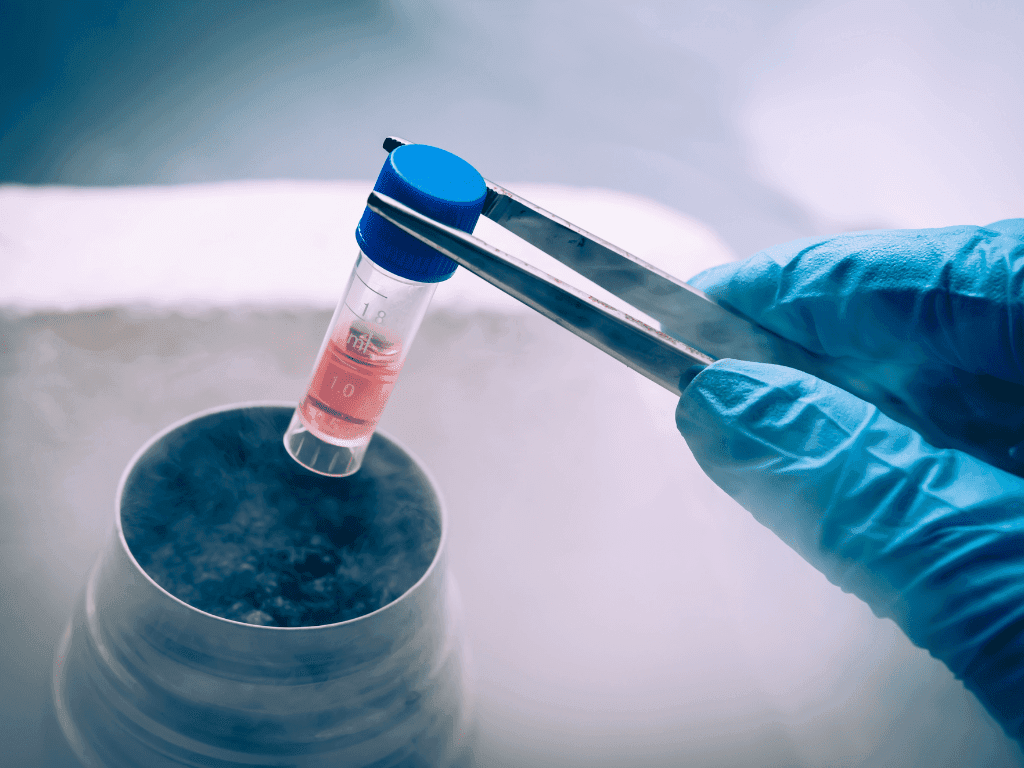
- Stem cells, noted for their potential to self-renew and differentiate, are involved in treating conditions like neurological disorders and blood cancers.
- The only stem cell therapy approved in India is bone marrow transplant, widely recognized by regulatory bodies like the US FDA and ICMR (Indian Council of Medical Research).
Judicial Findings:
- The Supreme Court concluded, based on guidelines by the ICMR and NMC (National Medical Commission), that stem cell therapy for autism lacks scientific efficacy and is not advisable as a routine treatment.
- The ruling mandates that any use of stem cells must occur within approved and monitored clinical trials, labelling the application outside trials as unethical and malpractice.
Ethics and Medical Misconduct:
- The Ethics and Medical Registration Board has deemed the promotion of unproven stem cell therapies as professional misconduct. Practitioners face penalties, including potential cancellation of medical licenses.
- Patients cannot demand unproven therapies outside clinical trials, marking a significant shift in the patient-doctor relationship and the responsibilities of medical practitioners.
Clinical Trial Standards:
- The need for high-quality randomized controlled trials is emphasized to ensure efficacy before therapy approval. Existing trials on stem cell treatment for autism showed inconclusive results due to poor methodology.
Economic Implications:
- The burgeoning market for stem cell therapy in India attracts significant “medical tourism,” with exorbitant costs running into lakhs per injection, raising questions about patient exploitation amidst desperation for cures.
Healthcare Ethics in India:
- The judgment underscores the importance of regulatory frameworks and medical ethics amidst growing commercialization and the prevalence of dubious health claims in India’s healthcare system.
Future Directions:
- The ruling could instigate enhanced protections for patients and advocate for a more rational, scientifically validated approach to treatment options in the healthcare landscape.
- It forms a potential model for future collaborations among caregivers, NGOs, and medical professionals to ensure access to genuine medical advancements while safeguarding against exploitation.
This summary provides a thorough examination of the recent developments regarding stem cell therapy regulation, aligning with constitutional principles, healthcare ethics, and medical practice standards in India.
Key Terms & Concepts
| Supreme Court Judgment | Banned stem cell therapy for autism |
| January 30 | Date of Supreme Court ruling |
| ICMR | Guidelines authority for medical protocols |
| NMC | Ethics and Medical Registration Board |
| Clinical Trials | Required for therapy efficacy evaluation |
| Stem Cell Therapy Industry | Attracting global patients |
| Medical Tourism | Thriving industry for stem cells |
| Ethical Guidelines | Defined use of stem cells |
| Professional Misconduct | Consequences for unethical practices |
| Healthcare Regulation | State of healthcare practices in India |