iAspirants
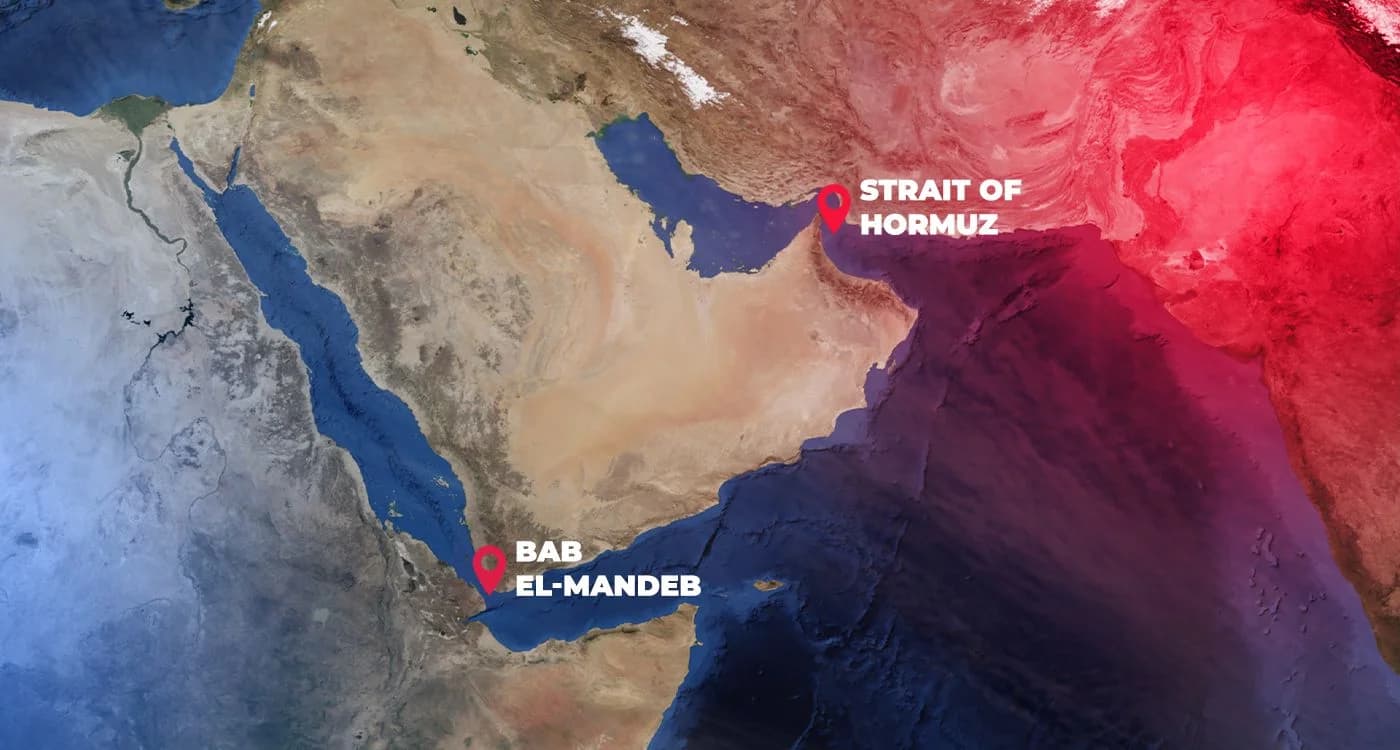
Strait of Bab el-Mandeb Crisis
Published on:
Share this post
Article Summary
Geopolitical Threats and Maritime Security in the Strait of Bab el-Mandeb
Background Context:
- Recent tensions stem from Iran's engagement with the Houthis in Yemen regarding potential closure of the Strait of Bab el-Mandeb if attacked by the U.S.
- The Strait of Bab el-Mandeb is crucial as it constitutes a significant trade route, with implications for one-third of India's trade.
Maritime Incidents and International Responses:
- Following the escalation of the Gaza conflict in October 2023, the Houthis launched drone and missile attacks against shipping, claiming they were connected to Israel.
- Between November 2023 and March 2024, Houthis targeted 40 vessels in the Red Sea, prompting the U.S. and allies (Singapore, Sri Lanka) to initiate Operation Prosperity Guardian to ensure navigation safety.
- UN Security Council Resolution 2722 (January 2024) called for freedom of navigation, reflecting international concern.
Impact on Global Shipping:
- Approximately 2,000 vessels diverted from the Suez Canal, leading to logistical challenges and delays in critical imports to India.
- Egypt experienced a loss of 25% in revenue from the Suez Canal due to these rerouted shipping activities.
Proactive Measures Necessary:
- The potential resumption of Houthi attacks poses substantial economic risks for India, compounded by existing stresses from the Strait of Hormuz crisis.
- India must engage with regional stakeholders, including Egypt and Saudi Arabia, to prevent a maritime crisis.
- The Indian Navy has previously undertaken actions, such as rescuing a British tanker crew in January 2024.
Strategic Alliances and Naval Cooperation:
- Proposals for a joint Trade Protection Task Force comprising navies from India, France, and Japan were highlighted. This task force would focus on collective security measures in the Bab el-Mandeb region.
- Information sharing through the Information Fusion Centre - Indian Ocean Region could enhance maritime situational awareness and inform operational responses.
Diplomatic Engagements:
- Effective diplomacy with Yemen's Houthis, Egypt, and Saudi Arabia is imperative, considering the potential for renewed maritime threats, including a recent Houthi "maritime embargo" against Saudi vessels.
- A cooperative framework could bolster a unified response to vulnerabilities affecting commercial shipping in vital transit routes.
Philosophical Context:
- India’s initiative aligns with its broader strategic vision as encapsulated in the Security and Growth for All in the Region (SAGAR) policy, signifying a commitment to uphold maritime rights and cooperation for regional stability.
Operational Considerations:
- Joint military engagements are essential to establish rules of engagement and ensure readiness to protect commercial shipping, particularly for vessels bound towards Europe, India, or Japan.
Conclusion: The situation in Bab el-Mandeb requires a multipronged approach involving military readiness, diplomatic engagement, and international cooperation to safeguard vital shipping lanes against escalating geopolitical tensions.
Key Terms & Concepts
| Strait of Bab el-Mandeb | Strategic shipping route |
| Houthis | Threat to shipping security |
| Operation Prosperity Guardian | U.S. naval operation |
| UN Security Council Resolution 2722 | International legal framework |
| Suez Canal | Major shipping lane |
| Cape of Good Hope | Alternative shipping route |
| India | Affected trading nation |
| Israel | Conflict participant |
| Djibouti | Naval base location |
| Trade Protection Task Force | Proposed naval collaboration |
| Security and Growth for All in the Region (SAGAR) | India's maritime strategy |
| Egypt | Potential regional ally |
| Saudi Arabia |