iAspirants
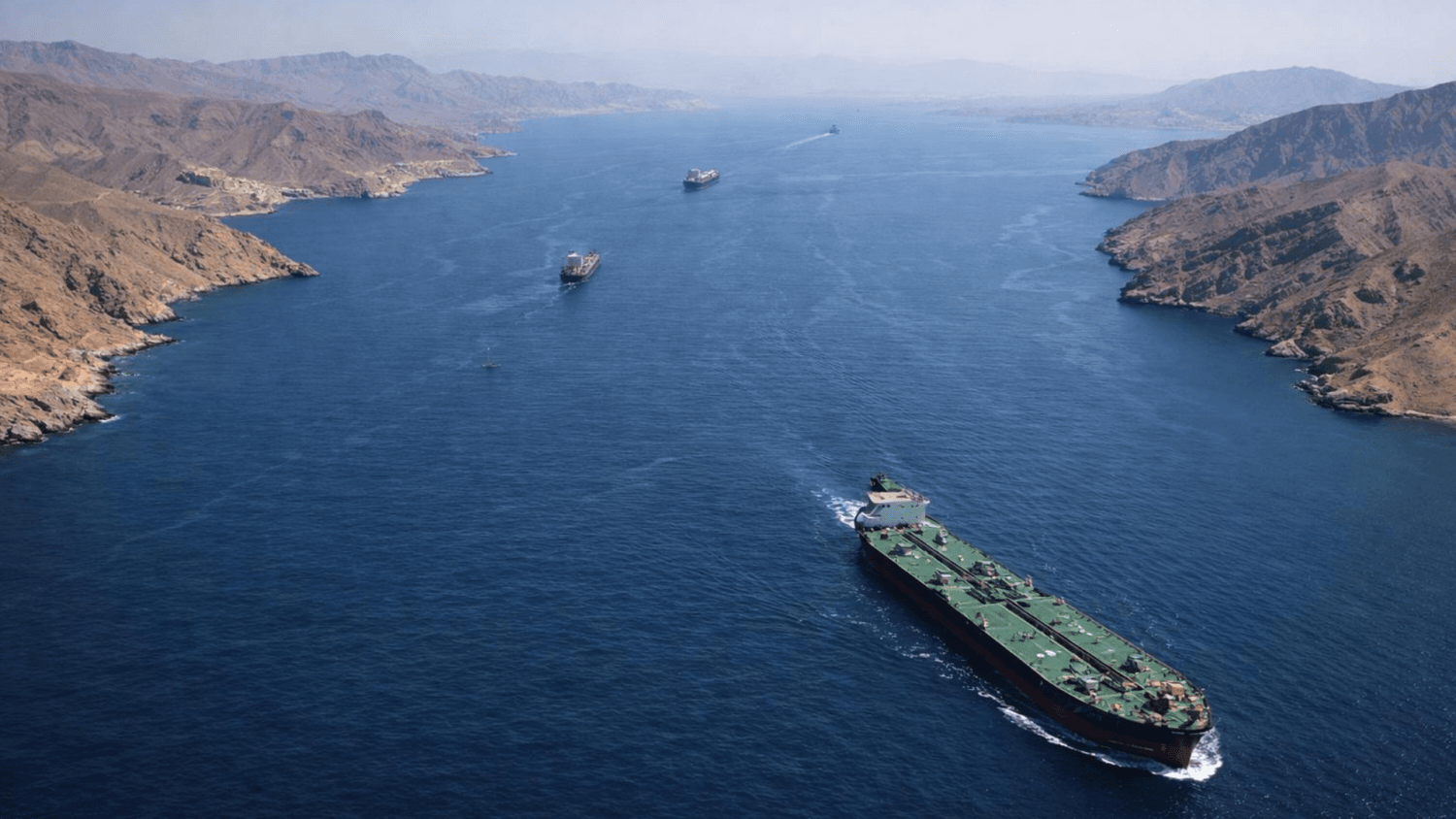
Strategic Importance of Hormuz Strait
Published on:
Share this post
Article Summary
Summary of Key Facts and Data Regarding the Strait of Hormuz and Iran's Position
Constitutional & International Context:
- Geopolitical Importance: The Strait of Hormuz is crucial for international shipping; approximately 20% of the world’s liquefied natural gas (LNG) and 25% of seaborne oil traffic pass through this narrow waterway.
- Ownership and Territorial Claims: Iran controls seven out of eight major islands in the strait, including Abu Musa, Greater Tunb, and Lesser Tunb, with the latter two being contested by the UAE.
Infrastructure and Key Features:
- Milad Tower: Located in Tehran, it stands 435 meters tall including a 120-meter antenna. It serves as a historical and cultural marker in Iran and houses facilities like observation decks and a museum.
- Geographical Characteristics: The strait is 50 km wide at its entrances and shrinks to just 33 km at its narrowest point, while a buffer zone of 2 nautical miles is maintained for shipping safety.
Economic Data:
- Daily Maritime Traffic: Before the onset of hostilities in 2026, over 100 ships passed through the strait daily, which plummeted by over 90% during the conflict.
- Energy and Trade Impact: In 2025 alone, nearly 20 million barrels of oil and oil products transited through the strait each day. Nations depending on the strait faced high energy prices, disrupted shipping, and soaring insurance costs due to geopolitical tensions.
Recent Conflicts and Responses:
- Military Engagement: Tensions escalated after the assassination of Iranian Supreme Leader Ayatollah Ali Khamenei, leading Iran to threaten closure of the Strait of Hormuz in response to U.S. and Israeli military actions.
- Asymmetric Warfare Tactics: Iran has utilized asymmetric warfare to protect interests in the strait and has enforced dominion through hostile actions against vessels attempting to transit without permission from the Iranian Revolutionary Guard Corps (IRGC).
Diplomatic Stalemate:
- Ceasefire Attempts: A truce announced in April 2026 aimed at reopening the strait was complicated by disagreements over terms, particularly regarding hostilities in Lebanon.
- U.S. Blockade: Following Iran's refusal to reopen the strait, U.S. President Trump imposed a blockade on Iranian ports, leading to further diplomatic tensions. Iran established the Persian Gulf Strait Authority to regulate maritime traffic, solidifying its control amid negotiations.
Regional Impact:
- Energy-Dependence: Countries like India, heavily reliant on energy imports, are significantly affected by rising fuel prices and shipping constraints caused by the conflict over this strategic maritime route.
- Historical Context: The historical significance of the Strait of Hormuz has increased since the oil boom of the early 20th century, highlighting its continued relevance to the economy and security of Persian Gulf nations.
Conclusion:
The Strait of Hormuz remains a pivotal maritime route influenced by geopolitical conflicts, economic dependencies, and military strategies, with multiple countries closely monitoring developments for implications on global trade and energy security.
Key Terms & Concepts
| Strait of Hormuz | Key waterway for oil |
| Milad Tower | Tallest structure in Iran |
| Persian Gulf | Significant regional water body |
| Caspian Sea | Natural barrier to plateau |
| Alborz Mountains | Natural barrier to Tehran |
| Iran-Iraq War | Conflict impacting shipping |
| 20 million barrels | Oil passed through in 2025 |
| 20% | World LNG through Hormuz |
| 2023-25 | Period of significant oil traffic |
| Iranian Revolutionary Guard Corps (IRGC) | Military controlling strait |
| Persian Gulf Strait Authority | Regulates traffic in strait |
| U.S. Energy Information Administration | Source for oil statistics |
| Blockade of Iranian ports |