iAspirants
Strict Enforcement of Art Protection Act
Published on:
Share this post
Article Summary
Legislation:
- The Protection of Antiques and Art Treasures Act (1972) will be strictly enforced to ensure that all antiques and art pieces, whether public or private, must be registered with designated officers in the State.
Official Announcements:
- N.R. Banerjee, Director of Antiquities, emphasized the necessity of registration for antiques during an inauguration event at the Airavateswara Temple in Darasuram, Kumbakonam.
Institutional Initiatives:
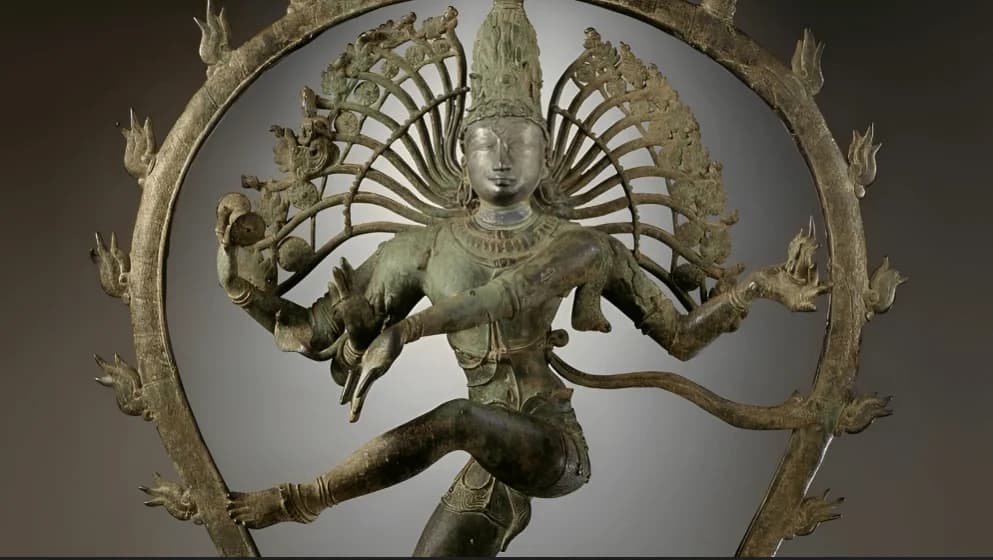
- A sculptural display gallery was inaugurated by M.N. Deshpande, Director-General of the Archaeological Survey of India, aimed at promoting the preservation of historical art pieces associated with ancient temples.
Call to Action:
- Deshpande urged the public to take responsibility for the maintenance of art pieces and sculptures, highlighting the need for vigilance against foreign interest in these treasures.
Heritage Concerns:
- Mr. Rajaram Raja Sahib of the Thanjavur Palace, in his address, sought the return of 41 art pieces previously taken from the temple to form a gallery at the Thanjavur Big Temple, citing conditions pertaining to their initial transfer.
This summary captures key facts and events related to cultural heritage legislation and preservation efforts in India, emphasizing the Protection of Antiques and Art Treasures Act and the role of governmental and local institutions in safeguarding India's artistic legacy.
Key Terms & Concepts
| Protection of Antiques and Art Treasures Act | Legislation for art protection |
| 1972 | Year of Act enactment |
| Antiquities | Area of responsibility |
| Archaeological Survey of India | Responsible for heritage oversight |
| Airavateswara Temple | Location of art gallery |
| 41 art pieces | Items discussed for return |
| Thanjavur Palace | Related historical site |