iAspirants
Student Mobilization and Historical Lessons
Published on:
Share this post
Article Summary
Historical Context
- Date Significance: July 26, 1876, marks the founding of the Indian Association by Surendranath Banerjee in Calcutta, focusing on political mobilization driven by student grievances regarding the Indian Civil Service examination age limit.
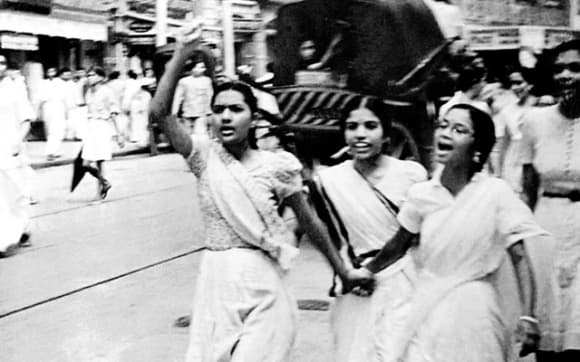
- Student Activism: Mobilization in 1876 arose due to a decline in opportunities for young Indians due to regulatory changes. The agitation of students was critical in forming larger political movements against colonial rule.
Constitutional References and Judicial Oversight
- Constitutional Principles: Current events connect to historical issues of representation and state accountability, as laid out in the Indian Constitution.
- Need for Accountability: The demand for institutional reform emphasizes the importance of giving citizens a voice in public examination processes.
Current Issues and Government Response
- Recent Student Mobilizations: Significant protests against the NEET-UG exam paper leak involved more than 2 million students, highlighting concerns over state handling of educational integrity.
- State Response: Tactics included barricades and police force leading to injuries—alluding to historical patterns of governmental responses to unrest.
- Historical Comparisons: The article draws parallels with the Soweto uprisings and the suppression during India's Emergency period, stressing that violent state responses often mobilize further dissent.
Lessons from History
- Violent Repression Leads to Greater Mobilization: Forceful suppression fails to address grievances and may exacerbate unrest, as demonstrated in both Soweto and India's historical contexts.
- Contempt for Citizens Undermines Authority: Dismissal of youth grievances can lead to a crisis of legitimacy for the state, invoking historical insights into colonial governance.
- Transparency and Accountability are Crucial: Protests occur when institutional channels fail. A reformed and transparent examination process is essential for preventing activism from becoming inevitable.
Recommendations for Governance
- Institutional Reform Needs: Calls for credible investigations and structural accountability from educational authorities reflect demands for systemic change.
- Stronger Legislative Oversight: The establishment of independent examination authorities with transparent evaluation processes should be prioritized to prevent future unrest.
Key Policy References
- Regulatory Framework: Ensuring independence for educational institutions and accountability through parliamentary scrutinizations are crucial for addressing grievances.
Concluding Thought
- The Role of Government: Active engagement and reform by the government in response to legitimate concerns can mitigate unrest and build trust among students. Historically, governments that recognize and address their citizens' requests foster longevity and stability.
Key Terms & Concepts
| Indian Association | Political mobilization forum |
| Civil Service Examination | Entry point for civil service |
| National Eligibility cum Entrance Test (NEET-UG) | Medical entrance examination |
| Maintenance of Internal Security Act (MISA) | Law for preventive detention |
| July 26, 1876 | Founding date of Indian Association |
| June 16, 1976 | Date of Soweto uprising |
| Emergency in India (1975-1977) | Period of political suppression |
| 20 lakh | Number of NEET-UG aspirants |
| July 2026 | Date of recent student protests |
| Jantar Mantar | Protest site in Delhi |