iAspirants
Study Links Atmospheric Waves to Rainfall
Published on:
Share this post
Article Summary
Summary of Research on Atmospheric Waves and Extreme Rainfall Events in India
Research Context:
- Study conducted by researchers from the Advanced Centre for Atmospheric Radar Research, Cochin University of Science and Technology (Cusat) in collaboration with the UK Met Office and French scientists.
- Published in the journal Scientific Reports.
Key Findings:
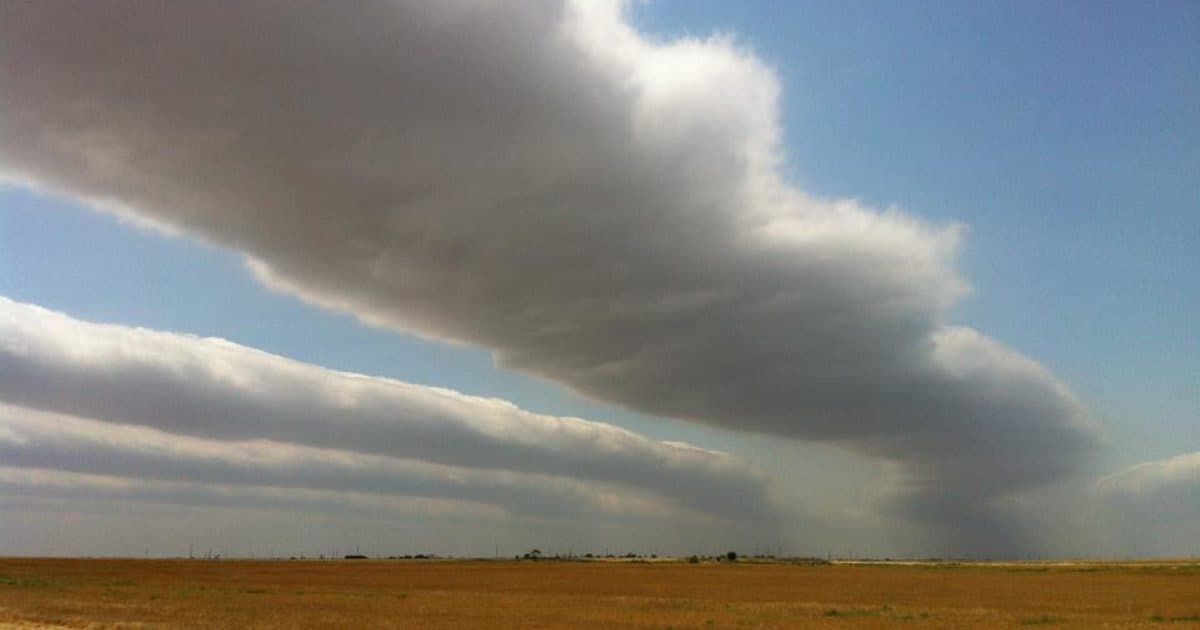
- Identification of a significant connection between tropical atmospheric waves (Kelvin, Rossby, and Mixed Rossby-Gravity waves) and extreme rainfall events.
- These atmospheric disturbances enhance heavy rainfall by organizing deep convective cloud systems and increasing moisture convergence, particularly over the Arabian Sea and the Western Ghats.
Impact of Atmospheric Waves:
- Rossby waves exert the strongest influence, amplifying extreme rainfall over land by 20-60%.
- The study represents the first comprehensive assessment of tropical waves modulating rainfall extremes in the region.
- Correlation found between catastrophic rainfall events (2018 and 2019 floods in Kerala) and strong Rossby wave activity.
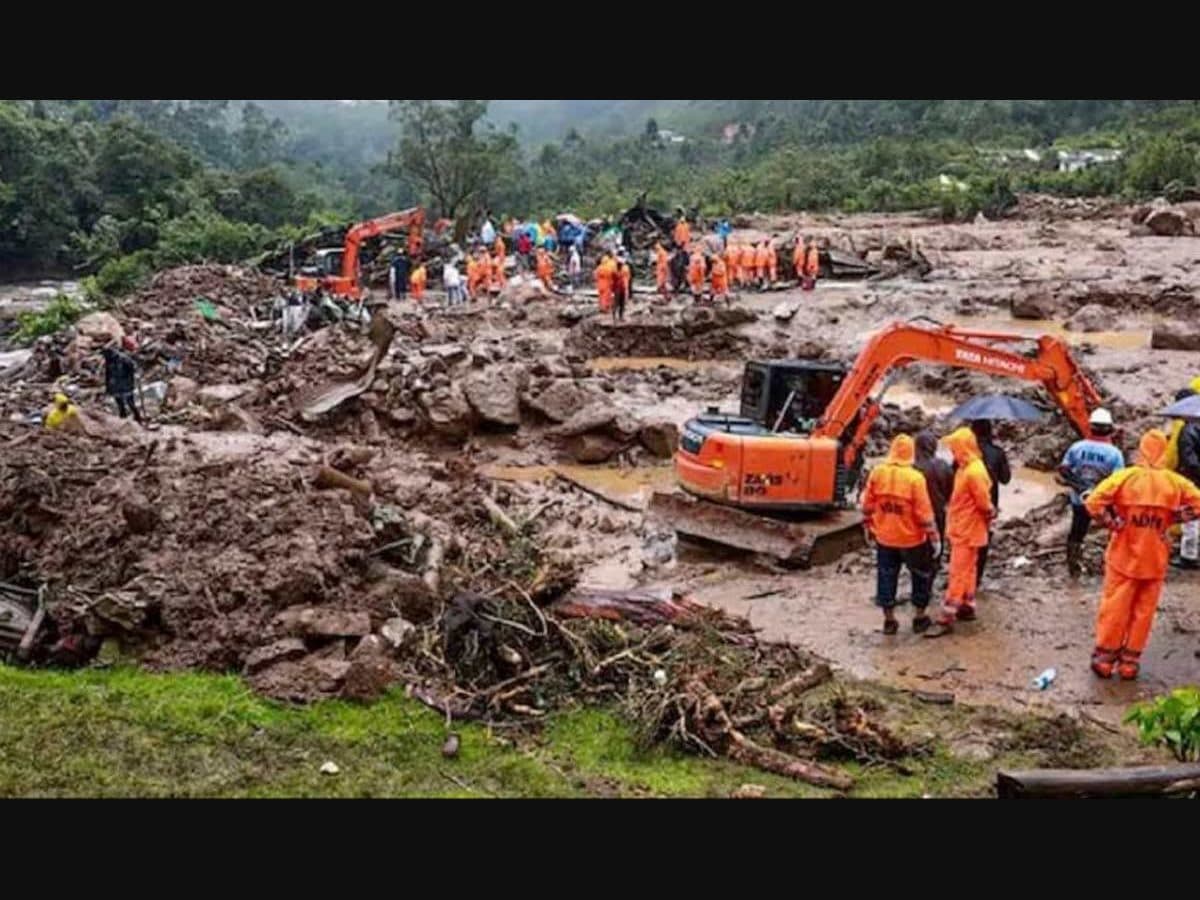
- Intense Kelvin wave activity linked to the 2024 Wayanad landslides that resulted in around 300 fatalities.
Significance for Disaster Management:
- Potential to improve early warning systems for heavy rainfall.
- Monitoring of tropical wave activity can be conducted several days in advance, offering valuable lead time for forecasting.
- Enhanced understanding of atmospheric waves can aid in better preparation for extreme rainfall, especially in vulnerable coastal regions impacted by climate change.
Funding and Support:
- The research was part of a project funded by the Ministry of Earth Sciences, reflecting government interest in improving disaster risk management and response.
Implications of Climate Change:
- As climate change continues to warm oceans and intensify the hydrological cycle, understanding these atmospheric interactions becomes crucial for mitigating loss of life and property during extreme weather events.
This study underscores the critical need for integrating advanced atmospheric research into practical applications for weather forecasting and disaster resilience, particularly in regions like Kerala which are prone to flooding and landslides.
Key Terms & Concepts
| Advanced Centre for Atmospheric Radar Research | Research institution conducting study |
| Cochin University of Science and Technology | Collaborating university for research |
| UK Met Office | International research partner |
| France | Country of collaborating scientists |
| Kelvin, Rossby, Mixed Rossby-Gravity waves | Types of atmospheric disturbances |
| 20-60% | Increased rainfall amplification range |
| Flooding events of 2018 and 2019 | Associated with strong Rossby waves |
| 2024 Wayanad landslides | Linked to intense Kelvin wave activity |
| Ministry of Earth Sciences | Funding agency for research |
| Extreme rainfall | Focus of study for forecasting |
| Early warning systems | Improvement target of research |