iAspirants
Current AffairsPrelims PYQsUPSC CSE SyllabusUPSC CSE StrategyBlogsPricing
Login
iAspirants

Your AI-powered companion for UPSC preparation.

Quick Links

  • Home
  • About Us
  • Current Affairs
  • Prelims PYQs
  • UPSC CSE Syllabus
  • UPSC CSE Strategy
  • Blogs

Company

  • Pricing
  • FAQs
  • Contact Us
  • Login

Legal

  • Privacy Policy
  • Terms & Conditions
  • Return Policy

© 2026 iAspirants, Inc. All rights reserved.

  1. Blogs
  2. Polity and Governance

Supreme Court Decision on Electoral Rolls

Published on: 29-Oct-2026

Source: The Hindu

Share this post

Supreme Court Decision on Electoral Rolls

Article Summary

Supreme Court of India Verdict on Special Intensive Revision (SIR)

Overview

  • On May 27, 2026, the Supreme Court upheld the Election Commission of India’s (ECI) authority for a "limited" inquiry into citizenship for electoral roll inclusion/exclusion.
  • The context involved the electoral rolls of Bihar, updated on January 6, 2025, after a Special Summary Revision (SSR).

Key Dates

  • Last SIR in Bihar: January 1, 2003
  • SSR for Bihar: January 6, 2025
  • ECI initiated fresh SIR: June 24, 2025

Legal and Constitutional Context

  • Judgment Impact: The Court affirmed that the ECI could question electoral rolls used from 2003 to 2025.
  • Supreme Court Articles Involved:
    • Article 32: Right to constitutional remedies; Court's power to issue writs.
    • Article 141: Law declared by the Court is binding on all courts.
    • Article 142: Power to pass necessary orders for complete justice.
    • Article 144: Obligation of authorities to aid the Court.
    • Article 326: Grounds for disqualification specified as "non-residence," "unsoundness of mind," "crime," or "corrupt or illegal practice."

Judicial Findings

  • ECI was not empowered to make strict citizenship determinations but could affect an individual's electoral roll inclusion.
  • The power to disenfranchise voters raised concerns of potential abuse by the ECI.
  • The Court's judgment suggested uncertainty in establishing documents that can conclusively prove citizenship.

Implications

  • Disenfranchisement Risk: Voters could potentially lose their electoral rights if their citizenship is questioned without clear criteria on acceptable proof.
  • Ruling posited that electoral rolls must prioritize adult Indian citizenship based on existing legal frameworks.

Government and Electoral Context

  • Bihar's Assembly elections (November 2025) and West Bengal (April 2026) were conducted under the newly revised electoral roll, leading to mass dissatisfaction.
  • Protests emerged against the SIR process as it initiated widespread deletions and new inclusions on electoral rolls across states.

Constitutional and Legal Framework Notes

  • The Constitution generally does not stipulate extensive qualifications for voting beyond age and citizenship.
  • Voting rights have been upheld as a central feature of democracy and must respect principles of natural justice, meaning voters should not be disenfranchised without due process.

Historical Context

  • The Supreme Court’s interpretation of voting rights in landmark cases (I.C. Golaknath vs State of Punjab, Kesavananda Bharati vs State of Kerala, Indira Nehru Gandhi vs Raj Narain) reinforced voting as a basic feature of the Constitution.

Conclusion

  • The Supreme Court ruling raises critical questions about electoral integrity and the definition of citizenship in the context of electoral participation. Potential repercussions for disenfranchised voters and the necessity for clear documentation standards are paramount for ensuring fair and free elections in India.

Key Terms & Concepts

Supreme Court of IndiaJudicial authority on electoral rolls
Election Commission of IndiaResponsible for electoral rolls
BiharState involved in electoral inquiry
January 6, 2025Last published electoral rolls date
June 24, 2025Date for initiating Special Intensive Revision
Article 32Right to constitutional remedies
Article 141Binding nature of law declared
Article 142Power for complete justice orders
Article 144Obligations of authorities to aid court
Article 326Specifies grounds for disqualification
Representation of the People Act, 1950Regulates election procedures
Registration of Electors Rules, 1960Guidelines for electors registration

Mind Map for UPSC Civil Services Revision

Turn UPSC Civil Services Current Affairs Into Exam-Ready Notes

Reading Polity and Governance current affairs is half the work. Revise them with ready-made notes and test what actually stuck.

  • Daily UPSC Civil Services current affairs analysis
  • Revision notes, mind maps & MCQs
  • Prelims mock tests with instant results

Related UPSC Civil Services Current Affairs Articles

Concerns Over Uttar Pradesh Elections
Polity and Governance29-Oct-2026

Concerns Over Uttar Pradesh Elections

Summary Notes on Election Fairness in Uttar Pradesh

Electoral System Concerns:

  • Upcoming Assembly elections in Uttar Pradesh raise questions about the fairness and integrity of the electoral process.
  • Recent elections (e.g., West Bengal) have raised issues regarding the credibility of the Election Commission (ECI) and electronic voting machines (EVMs).
I.C. Golaknath vs State of PunjabJudicial precedent on voting rights
Kesavananda Bharati vs State of KeralaJudicial precedent on constitutional basics
Indira Nehru Gandhi vs Raj NarainJudicial case related to elections
July 1, 2025Effective date for SIR process
PassportDocument for citizenship proof
Birth CertificateDocument for citizenship proof

Voter List Analysis:

  • As of March 1, 2026, Uttar Pradesh's estimated adult population is 16.2 crore.
  • The final SIR (Special Summary Revision) voter list has 13.4 crore names, showing a decrease from 15.4 crore pre-SIR, resulting in approximately 2.8 crore missing voters (17.3% of adults).

Types of Missing Voters:

  1. Deleted Voters: Individuals unfairly removed from the voter list.
  2. Omitted Voters: Individuals who were never included in the list.

Survey Insights:

  • A Lokniti survey found that about 7% of adults (over 1 crore) did not possess a voter ID, indicating a systemic issue of voter exclusion.

Electoral Roll Maintenance:

  • Effective maintenance of electoral rolls is critical; the ongoing SIR has reportedly increased voter exclusion, leading to claims of bias and lack of transparency from the ECI.

Statistical Discrepancies:

  • A contention exists about the interpretation of disenfranchisement levels; one viewpoint suggests a significant portion of non-enrollment (40% among youth) is voluntary, which could minimize perceived disenfranchisement.
  • The highest non-enrollment figures in Uttar Pradesh surpass those of other major states.

Impact of Migration:

  • The total count for missing voters may affect broader trends of internal migration, but it remains valid to assert that disenfranchisement is a national concern, with all-India estimates suggesting up to 14 crore missing voters.

State Election Commission (SEC) Findings:

  • The SEC conducted a separate revision, resulting in a final rural voter list of 12.6 crore, suggesting a more accurate representation of eligible voters.
  • When combined with urban data, the total exceeds the SIR’s count, showing discrepancies in voter statistics.

Constitutional References:

  • The ECI’s obligation is to ensure no eligible voter is left out, as per its stated policy.
  • Voter exclusion challenges the fundamental democratic right to participate in elections.

Judicial Basis and Accountability:

  • The accuracy and integrity of voter lists are pressed against constitutional standards of completeness and equity, raising concerns if the current list can support democratic elections.

Conclusion:

  • The alleged shortcomings in the democratic franchise process, as seen in the SIR voter list, prompt calls for reassessment and reform to ensure fair and inclusive electoral practices in Uttar Pradesh, especially highlighting issues surrounding gender and youth voter representation.
Maharashtra Updates Educational Textbooks
Polity and Governance29-Oct-2026

Maharashtra Updates Educational Textbooks

Educational Revisions in Maharashtra's Class 6 Curriculum

Overview: Maharashtra has introduced new Class 6 history, geography, and science textbooks under the National Education Policy (NEP) 2020, leading to significant content changes that promote Indian Knowledge Systems (IKS).

Key Changes:

  1. Integration of Ancient Indian Scholarship:

    • Ancient scientists and texts are featured prominently alongside modern concepts.
      • Bhaskaracharya II: Contributions to gravity and earth's pull.
      • Aryabhata: Highlighted as the first to explain the Earth's revolution around the Sun.
      • Sushruta: Detailed account of his surgical techniques in the ‘Sushruta Samhita.’
      • Chanakya: Extended discussion on his work ‘Arthashastra.’
  2. Revised Geography Concepts:

    • New interpretations of ancient Indian geography using Vedic texts.
      • Earth’s description as “Saptadweep.”
      • Introduction of Ujjain as the ancient prime meridian.
  3. Social and Historical Perspectives:

    • Adjusted narratives on caste, replacing detailed discussions with simplified contexts.
      • Old descriptions linking caste to occupation and inequality have been replaced with classical Vedic structure definitions.
    • The decline of the Harappan civilization now attributes primarily to natural causes rather than foreign invasions.
  4. Emphasis on Contemporary Figures:

    • Significant figures like Anna Mani recognized for contributions to meteorology.
    • Gaura Devi and the Chipko movement included, reflecting environmental activism.
  5. Women in Vedic Society:

    • Enhanced representation of notable female scholars, indicating a shift towards recognizing gender roles in history.

Constitutional and Policy References:

  • National Education Policy (NEP) 2020: Emphasizes the inclusion of IKS and aims for holistic education reform aligning with Indian cultural contexts.
  • The Director of Balbharati emphasized the learning outcomes and Indian contexts designed to promote awareness of ancient ideas without establishing a superiority complex between ancient and modern knowledge.

Scientific Contributions:

  • New curriculum acknowledges noteworthy space missions:
    • Chandrayaan-1, Mangalyaan, Chandrayaan-3, Aditya-L1, and NASA-ISRO NISAR satellite.
    • These updates aim to familiarize students with prominent recent advancements in space technology.

Educational Impact:

  • The revisions have been criticized for historical omissions but are posited as a way to root students' understanding in culturally significant frameworks.
  • The new curriculum aligns with changes noted in NCERT textbooks, reinforcing an educational shift towards recognizing India's historical and scientific contributions.

Conclusion:

Maharashtra's new Class 6 textbooks reflect an effort to integrate ancient Indian knowledge with contemporary education, marking a significant shift in the pedagogical approach under the NEP 2020 framework. This evolution in curriculum aims to foster a greater appreciation of India’s intellectual heritage while addressing modern educational objectives.

Reinvigorating India's Inter-State Council
Polity and Governance29-Oct-2026

Reinvigorating India's Inter-State Council

Summary Notes on Delimitation and the Inter-State Council

Constitutional Framework

  • Article 263: Empowers the President to establish an Inter-State Council for discussions on matters of common interest between the Union and the states, intended to enhance coordination of policies and actions.
  • Federal Structure: The Constitution establishes a federal system that balances central authority with state autonomy, acknowledging India's diversity.

Delimitation Bill

  • There are discussions about reconvening Parliament to push the delimitation bill, which aims to secure a two-thirds majority in states where the BJP has a strong presence.
  • Concerns arise regarding the lack of state consultation in the delimitation process, crucial for maintaining federal equilibrium.

Inter-State Council

  • Establishment and History: Initially constituted in 1990 following the Sarkaria Commission recommendations, which recognized it as vital for fostering federalism and facilitating coordination.
  • Current Status: Largely ineffective, the council has suffered from neglect, lack of autonomous operational authority, and irregular meetings, disrupting intergovernmental dialogue necessary for cooperative federalism.

Political and Administrative Implications

  • Ineffective operation has led to weakened trust between central and state authorities, particularly with opposition-led states, increasing friction over policies affecting revenues, rights, and critical issues like delimitation.
  • Recent governance challenges demand robust inter-state collaboration and an ongoing consultation mechanism; the dormant council hinders this need.

Recommendations for Revitalization

  • Reconstitution of the Council: Calls for transforming the Inter-State Council into an empowered, independent body with a dedicated Secretariat to facilitate regular dialogues.
  • Meeting Schedule: Establishing a strict timeline for meetings involving the Prime Minister, Cabinet members, and State Chief Ministers to discuss pressing national concerns.
  • Core Functions: The re-energized council should address major policy reforms, assess national schemes' local impacts, and mediate in inter-state disputes regarding resources, infrastructure, and environmental management.

Conclusion

  • Reinventing the Inter-State Council could shift Indian governance from confrontational dynamics to cooperative partnerships, fully aligning with the constitutional mandate for federal dialogue. The concept of "cooperative federalism," championed by Prime Minister Modi, requires an operational platform to ensure meaningful state participation in national policymaking, thereby supporting India’s diverse socio-economic landscape.
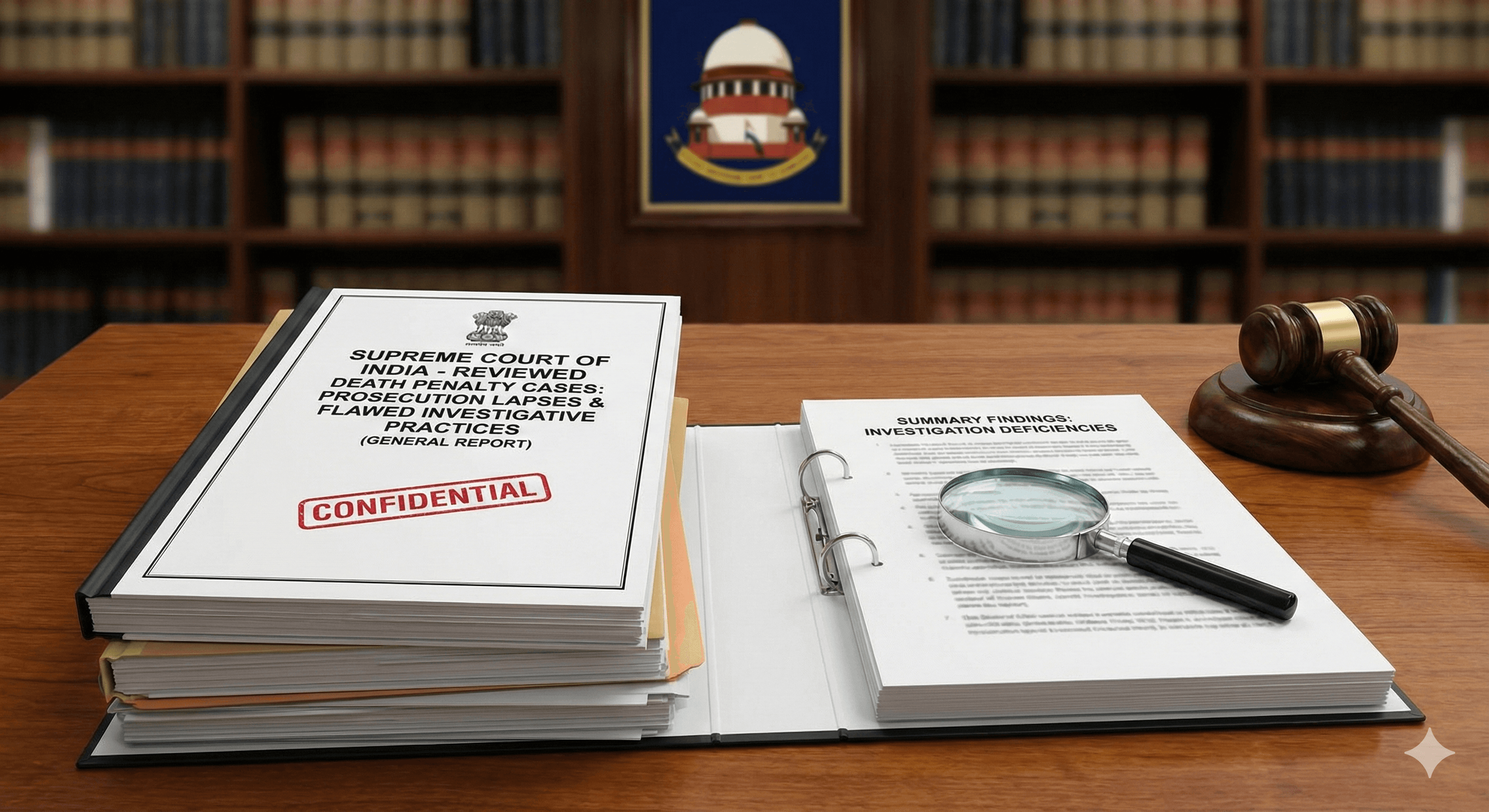
Supreme Court Ruling on Custodial Death
Polity and Governance26-Oct-2026

Supreme Court Ruling on Custodial Death

Exam-Focused Summary of Supreme Court Ruling on Custodial Death Case in Chhattisgarh

  1. Case Overview

    • Lehra Bai, mother of Shravan Suryavanshi Tamre, whose husband died in police custody, pursued legal action for over two years.
    • The Supreme Court criticized Chhattisgarh officials for their handling of the case as “sacrilegious.”
  2. Supreme Court Directives

    • Ordered the Chhattisgarh government to pay interim compensation of ₹25 lakh to Lehra.
    • Initiated a Central Bureau of Investigation (CBI) inquiry into the circumstances surrounding Tamre's death.
    • Mandated registration of a criminal case against responsible officials.
  3. Incident Details

    • Tamre was arrested under Section 34(2) of the Chhattisgarh Excise Act, 1915 for possessing mahua liquor worth ₹1,200.
    • A first-time conviction under this act can lead to imprisonment between one to three years and fines ranging from ₹25,000 to ₹1 lakh.
  4. Judicial Findings

    • Medical report showed no external injuries, but postmortem indicated death due to “cardio-respiratory arrest” linked to a head injury, revealing signs of assault (lacerations and bruises).
    • The time of death recorded was 6 AM on January 22, 2024; police initially claimed Tamre refused food during detention.
  5. Legal Progress

    • After initial compensation of ₹1 lakh from the High Court was deemed insufficient, Lehra appealed to the Supreme Court.
    • The Supreme Court highlighted negligence in the officials’ response and the importance of a proper inquiry as per existing laws governing custodial deaths.
  6. Supreme Court Critique

    • The Court condemned the "intransigent" approach of the Director General of Police (DGP) and Home Secretary, highlighting their failure to comply with statutory procedures concerning custodial deaths.
    • Criticized the High Court for not adequately addressing action against culpable officials and termed their claims about ignorance as false.
  7. Further Developments

    • The Supreme Court has granted three months for the CBI to complete its investigation, with further hearings scheduled.
  8. Economic Context

    • Lehra, now a daily wage laborer earning approximately ₹300, struggles to support her two daughters in the aftermath of the incident.
  9. Legal References and Constitutional Provisions

    • The case underscores the need for adherence to Articles pertaining to Fundamental Rights, especially the right to life and liberty under Article 21 of the Indian Constitution.
    • Government accountability in custodial deaths aligns with the constitutional directive for the protection of fundamental rights and the enforcement of due process.
  10. Judicial Accountability

    • Reflects ongoing judicial efforts in India to ensure police accountability and address heinous crimes such as custodial deaths.

This case serves as a significant example underscoring the judiciary's role in upholding justice and the need for systemic reforms within law enforcement agencies to prevent custodial violence.

Election Commissioners Seek Action on Officer
Polity and Governance23-Oct-2026

Election Commissioners Seek Action on Officer

Summary of Key Facts and Findings

1. Context of Letters by Election Commissioners

  • Commissioners Involved: Sukhbir Singh Sandhu and Vivek Joshi, members of the Election Commission of India (ECI).
  • Issue Raised: Concerns about Senior Deputy Election Commissioner Maneesh Garg's actions related to work allocation following his assumption of additional responsibilities.

2. Cabinet Secretary's Acknowledgment

  • Date of Letters: July 29, 2026.
  • Cabinet Secretary's Response: Letters were acknowledged on August 5, 2026, but action deemed "inappropriate" to avoid interference with the constitutional body.

3. Details of the Conduct in Question

  • Work Allocation Order: Issued on July 28 by Garg without proper consultation or communication with the Commission or relevant officers.
  • ECs’ Concerns: Allegation that Garg acted contrary to established protocols preventing unilateral decision-making.

4. Constitutional Framework

  • Nature of the Commission: The ECI is a multi-member constitutional body, insulated from executive interference to ensure independent functioning and transparency.
  • Legal Provisions: The ECI operates under Article 324 of the Indian Constitution which grants it powers to supervise and conduct elections.

5. Internal Process and Documentation

  • Internal Discussions: Noted by Cabinet Secretariat on August 3 and 4, 2026, regarding the handling of complaints and acknowledging the need to involve the Chief Election Commissioner (CEC).
  • Final Decision: The matter to be documented but without any actionable interference, signifying respect for the constitutional autonomy of the ECI.

6. Conduct of Officers and Governance

  • Employment Status: Maneesh Garg is an IAS officer appointed by the Appointments Committee of the Cabinet (ACC); governed by ECI rules.
  • Future Implications: Cabinet Secretary's note hoped to keep the matter on record for future decision-making about Garg’s conduct.

7. Transparency and Accountability

  • RTI Application: Transparency campaigner Commodore Lokesh K Batra’s request led to the revelation of ECI internal communications.
  • EC Communication: Email communications were regarded as personal expressions from the EC members rather than formal commission stances.

Conclusion

The events detail an internal dispute within the ECI over procedural adherence and the authority of a senior officer, framed within the constitutional mandate of the body. The caution against perceived executive interference highlights the delicate balance of governance and independence of electoral institutions in India.

Tamil Nadu Elections and Child Involvement
Polity and Governance23-Oct-2026

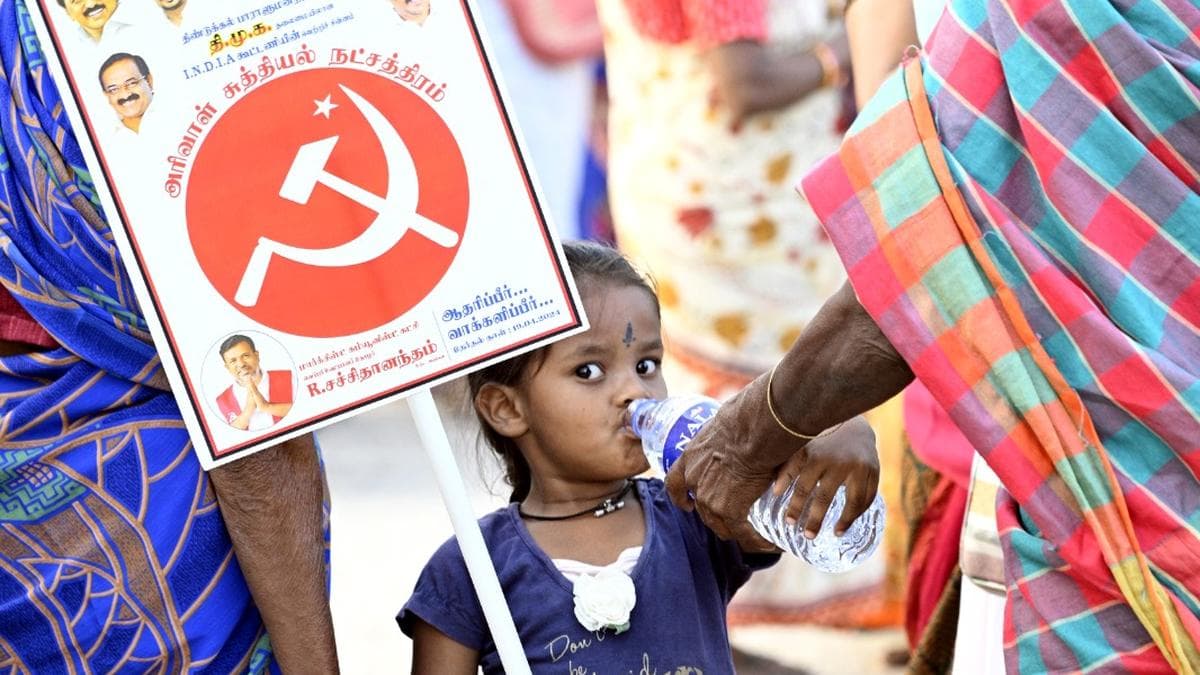
Tamil Nadu Elections and Child Involvement

Key Facts and Concepts from the Tamil Nadu Election Analysis

  1. Election Overview:

    • Tamilaga Vettri Kazhagam (TVK) party won state elections in May 2026, led by Chief Minister Joseph C. Vijay.
    • Significant voter appeal among youth; strong influence of familial discussions on voting behavior observed.
  2. Court Involvement:

    • A contested petition by DMK alleging undue influence of children in the electoral process was dismissed by the High Court.
    • Justice D. Bharatha Chakravarthy expressed concern over using children for political persuasion, calling for potential legislative examinations on the matter.
  3. Constitutional References:

    • The UN Convention on the Rights of the Child emphasizes children’s rights to participate in political processes.
    • Discussions highlight the difference between genuine political engagement and manipulation.
  4. Legislation and Acts:

  • Representation of the People Act, Section 123: Addresses undue influence in elections. The court found no evidence of undue manipulation regarding voters, despite ethical concerns about child involvement.
  • Judicial Commentary:

    • Justice Chakravarthy critiqued the trend of involving children in adult political decisions, asserting it conditions poor parenting practices.
  • Political Campaign Tactics:

    • “Pester power” phenomenon noted wherein children influence parental voting decisions based on emotional attachments to celebrities.
    • The campaign strategy was likened to consumer marketing, motivating children to advocate for political candidates.
  • Child Rights and Agency:

    • Experts argue children should have a political voice but caution against using them as tools for adult agendas.
    • The manipulation of children’s influence in electoral politics poses ethical issues, potentially undermining their developmental rights.
  • Behavioral Concerns:

    • Presence of "undue pressure" on children linked to their emotional ties with candidates; adults retain autonomy in voting despite manipulative pressures.
    • Experts advocate for laws to protect children from being coerced into campaigns, drawing parallels to child labor laws.
  • Civic Education and Voter Responsibility:

    • Discussion emphasizes the importance of informed choices in democratic processes as vital to the strengthening of democracy.
    • Recognizing the need for children's agency while distinguishing between authentic political engagement and orchestrated advocacy by adults.
  • Future Considerations:

    • Legal discussions to potentially include regulations preventing the exploitation of children's influence in political campaigning.
    • Importance of safeguarding children’s rights in political processes to promote genuine civic engagement without exploitation.
  • Conclusion

    The recent electoral dynamics in Tamil Nadu highlight critical issues regarding children's rights in democracy, manipulation in political campaigns, and the ethical implications of using children's influence in adult decision-making. The intersection of law, child development, and electoral integrity calls for ongoing discourse and potential legislative action.