iAspirants
Supreme Court Defends Institutional Dignity
Published on:
Share this post
Article Summary
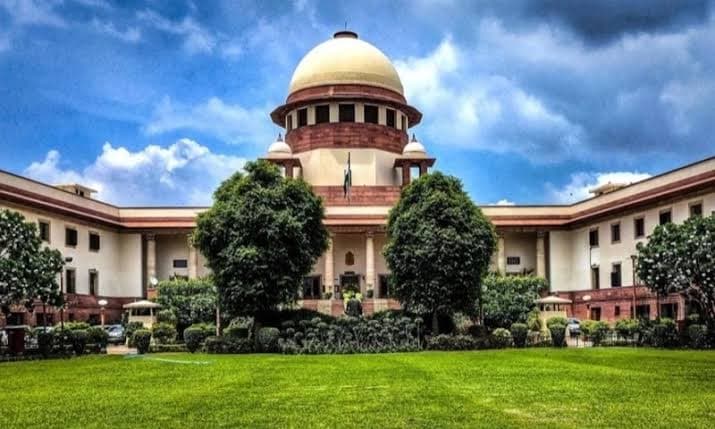
Supreme Court Intervention on Judicial Integrity and Community Dignity
Key Judicial Intervention:
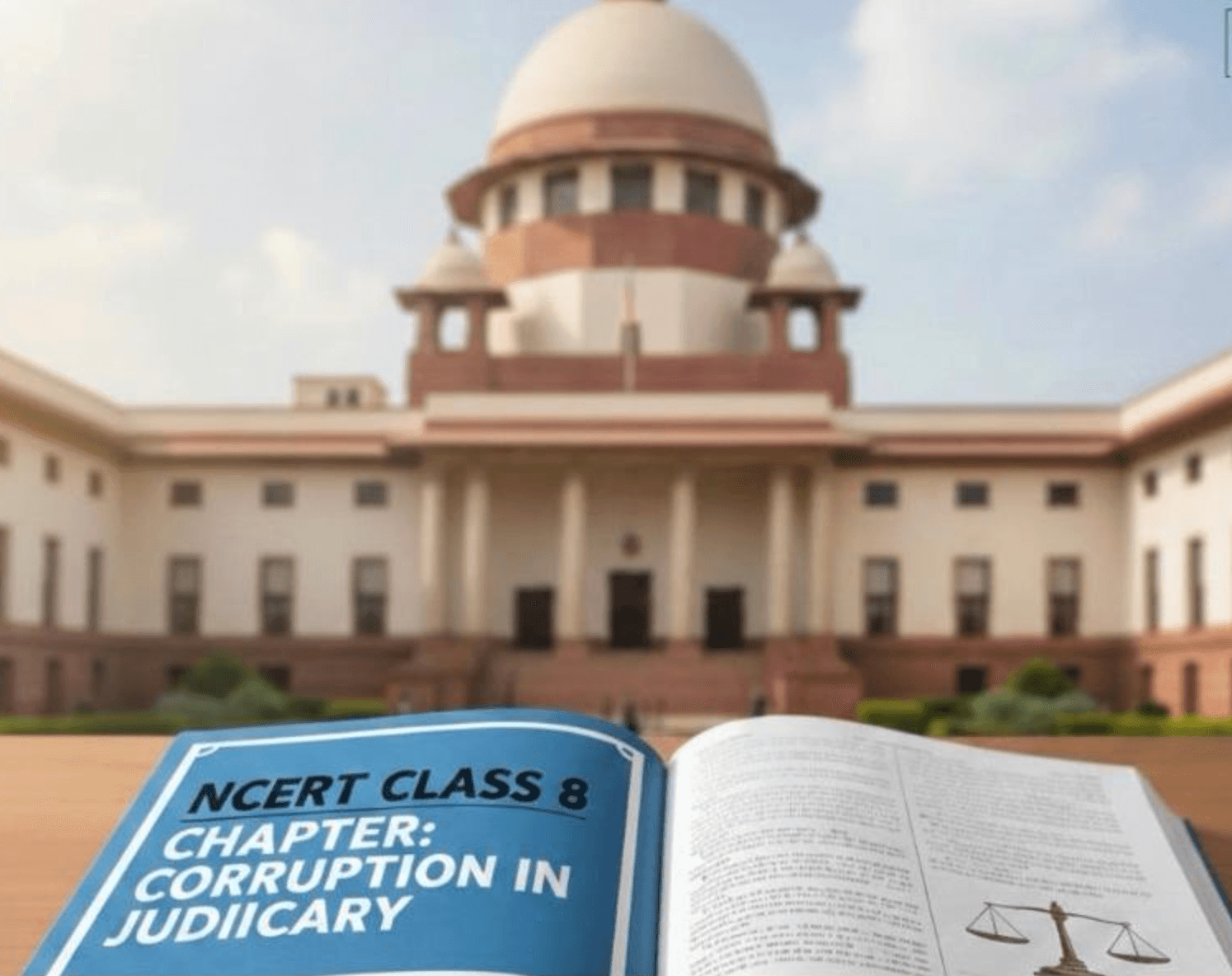
- Case: Supreme Court's suo motu action concerning NCERT textbook portrayal of judicial corruption.
- Significance: Highlights the need to protect public institutions from disparagement and maintain public trust.
Constitutional Framework:
- Preamble: Emphasizes fraternity assuring individual dignity.
- Article 14: Guarantees equality before the law.
- Article 15: Prohibits discrimination on specific grounds (religion, caste, language, etc.).
- Article 21: Protects the right to life and liberty, interpreted to include dignity.
- Article 51A(e): Lords an obligation to promote harmony and brotherhood.
Statutory Provisions:
- Indian Penal Code Sections:
- 153A & 153B: Criminalize promoting ill will among communities.
- 295A: Addresses deliberate and malicious acts intended to outrage religious feelings.
- 505: Deals with statements that incite community enmity.
Historical Context of Textbook Revisions:
- Changes Noted in NCERT Textbooks:
- Omission of references to the Gujarat riots from Class 12 Political Science textbooks.
- Dilution of the Babri Masjid demolition narrative.
- Reduction in coverage of the Mughal period and caste struggles.
Health of Democracy:
- Institutional Integrity vs. Community Dignity:
- Court highlights that protecting institutional dignity and community dignity are intertwined.
- Justice Ujjal Bhuyan's Observations: Misrepresentation harms fraternity and, consequently, constitutional order.
Importance of Fraternity:
- Seen as essential to integrate liberty and equality; supports a stable democratic order.
- Acknowledges that vilifying communities can weaken the constitutional promise of belonging, reinforcing that dignity for both institutions and individuals is integral and indivisible.
Recommendations for Strengthening Constitutional Values:
- Emphasizing consistency in the application of constitutional norms to protect both institutions and communities from vilification.
- Calls for a unified approach to uphold dignity across all fronts in a democracy, ensuring equal legal protection for all entities and individuals.
Conclusion:
- The Supreme Court's action is a pivotal step in reinforcing the need for balanced consideration of dignity in constitutional governance, providing an opportunity for rectifying past omissions and ensuring comprehensive representation in educational materials. It advocates for a proactive stance in defending the dignity of both institutions and communities as essential components of a healthy democracy.
Key Terms & Concepts
| Supreme Court | Institution asserting constitutional authority |
| NCERT | Regulatory body for educational content |
| Gujarat riots | Historical event omitted from textbooks |
| Babri Masjid demolition | Significant event in religious history |
| Mughal period | Time period reduced in teaching |
| Article 14 | Guarantees equality before the law |
| Article 15 | Prohibits discrimination |
| Article 21 | Protects dignity as life component |
| Article 51A(e) | Promotes harmony and brotherhood |
| Sections 153A, 153B, 295A, 505 | Criminalizes promotion of enmity |