iAspirants
Supreme Court Directives on Student Suicides
Published on:
Share this post
Article Summary
Supreme Court Directions on Student Suicides in Higher Education
Key Facts and Directives:
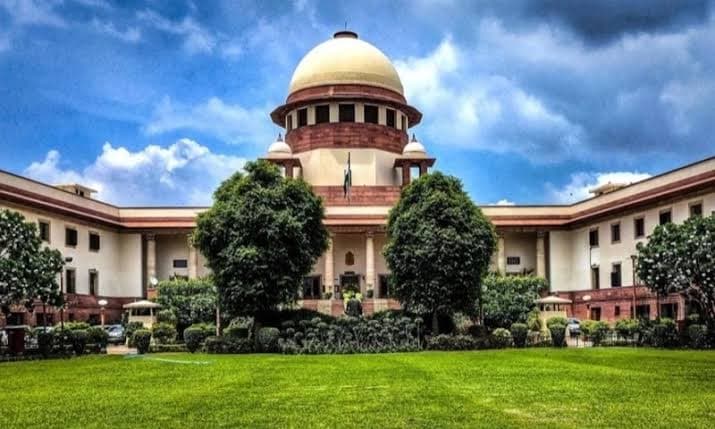
- Supreme Court Involvement: Issued nine directives to Central and State governments concerning student suicides in higher education institutions (HEIs).
- Article Invoked: Article 142 of the Constitution, allowing the Supreme Court to issue orders for the administration of justice.
- Focus Areas:
- Address financial, social injustice, and academic issues affecting students.
- Establish record-keeping, reporting, and tracking of suicide cases specifically in HEIs.
Specific Directives:
- Record Keeping: Seven out of nine directives concern the maintenance of records related to student suicides.
- Staffing: Mandate to fill posts for:
- Registrars
- Vice-Chancellors
- Vacant faculty positions across universities
Contextual Data:
- Vacancy Rates: Many public HEIs in India report approximately 50% vacancy rates, affecting academic quality and student well-being.
- Case Study - University of Madras:
- Significant institution in Tamil Nadu known for high enrolment and women’s education.
- Currently, faculty strength is at half of what is sanctioned, impacting teaching and research quality.
Institutional Challenges:
- Vice-Chancellor Appointments: Delays in appointments attributed to interference by the Governor, requiring clarification on governance powers.
- Hiring Processes: Faculty recruitment follows a lengthy UGC process (minimum six months), dependent on budgetary allocations possibly aided by the Union government.
- Quality of Education: Issues of corruption and politically motivated appointments have been highlighted as obstacles to improving educational standards.
Implications:
- The Supreme Court's directives are seen as essential for establishing a well-functioning public higher education system, vital for achieving broader national goals such as 'Viksit Bharat' (Developed India).
- The four-month completion schedule for these directives emphasizes urgency and accountability in addressing the crisis in higher education.
Additional Information:
- Evolving Higher Education Landscape: The current scenario is a result of years of privatization without enhanced quality and infrastructure, leading to student distress.
- Research Limitations: Institutions like the University of Madras, known for their research capabilities, are experiencing a decline due to lack of new faculty appointments.
This summary highlights the Supreme Court's decisive actions aimed at improving the higher education landscape and addressing critical issues leading to student suicides, reflecting a commitment to educational reform.
Key Terms & Concepts
| Supreme Court of India | Issued directives on education |
| Article 142 | Constitutional provision invoked |
| University Grants Commission (UGC) | Faculty appointment guidelines |
| Viksit Bharat | Goal for public education |
| 50% | Vacancy rate in public HEIs |
| Tamil Nadu | State with high enrollment |
| January 19, 2026 | Publication date of directive |
| Madras University | Premier State-administered HEI |
| Union Government | Potential financial support source |
| Four-month schedule | Timeline for action |