iAspirants
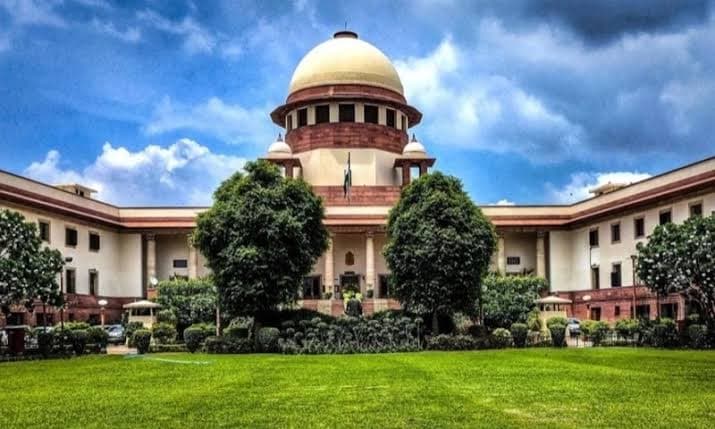
Supreme Court Directs Domestic Worker Rights
Published on:
Share this post

Article Summary
Summary of Key Facts and Data on Domestic Workers' Rights in India
Supreme Court Directive:
- January 2025: The Supreme Court instructed the Union government to draft a comprehensive law to define the rights of domestic workers and establish a committee for the framework, with a six-month deadline for the report.
Demographics and Vulnerability:
- Estimated domestic workers in India: 4 million to 90 million, predominantly women and girls, with a significant portion from Scheduled Caste (SC) and Scheduled Tribe (ST) communities, indicating structural vulnerabilities.
Legal Context:
- Current proceedings involve a case of trafficking and confinement related to a female domestic worker, prompting the need for protective legislation.
- India has historically attempted to pass domestic worker laws since the 1950s without success. The National Platform for Domestic Workers (NPDW) formed in 2012 to advocate for this cause.
International Standards:
- The International Labour Organization's Convention No. 189 (2011) aims to secure the rights of domestic workers. India supported the convention but has yet to ratify it.
State-Level Initiatives:
- Tamil Nadu established welfare provisions for domestic workers under the Tamil Nadu Manual Worker Act, 1982, providing pensions, maternity benefits, and educational assistance, but registration levels are very low.
- Minimum wages in Tamil Nadu are between ₹37-39 per hour, which are often ignored in practice.
Judicial Rulings:
- The Madurai Bench of the Madras High Court recommended special legislation for domestic workers following a petition by a domestic worker.
Karnataka's Legislative Action:
- Karnataka introduced the Domestic Workers (Social Security and Welfare) Bill, 2025, mandating employers to register workers, provide written contracts, and ensure minimum wages and other benefits, including a welfare fund.
Recommendations for Policy Improvement:
- The NPDW suggests standardizing minimum wages across states, compulsory registration of employers and workers, monthly record-keeping through a tripartite board, and improved access to local complaints committees under the Sexual Harassment of Women at Workplace Act.
Housing and Social Security:
- Addressing housing for domestic workers is critical. Past temporary assistance during pandemic lockdowns is insufficient; structural solutions are necessary for sustainable support.
Economic Disparities:
- Domestic workers often receive significantly less than stipulated minimum wages due to their categorization as "part-time" workers, complicating wage enforcement.
- Future Outlook:
- While recent legal developments are encouraging, there is an ongoing need for comprehensive legislation, social safety measures, and structural supports to improve the rights and living conditions of domestic workers.
Conclusion: The current status of domestic workers in India reflects a substantial gap in legal protection and enforcement mechanisms. Legislative actions at both the Supreme Court and state levels represent crucial steps toward ensuring their rights and welfare; however, sustained effort and comprehensive reform are essential to address systemic issues affecting this workforce.
Key Terms & Concepts
| Supreme Court | Directed government on worker rights |
| International Labour Organization | Passed Convention 189 for rights |
| Domestic Workers (Regulation of Work and Social Security) Bill | Drafted for domestic worker rights |
| Tamil Nadu Manual Worker Act, 1982 | Established welfare board |
| Domestic Workers (Social Security and Welfare) Bill, 2025 | Proposed regulation of workers |
| Scheduled Caste (SC) and Scheduled Tribe (ST) communities | Vulnerable worker demographics |
| Minimum Wage ₹37-39 | Stipulated hourly wage range |
| 2 million domestic workers in Tamil Nadu | Estimated number of workers |
| Committee for domestic workers rights | Tasked with legislative framework |
| Sexual Harassment of Women at Workplace Act | Established complaints committees |