iAspirants
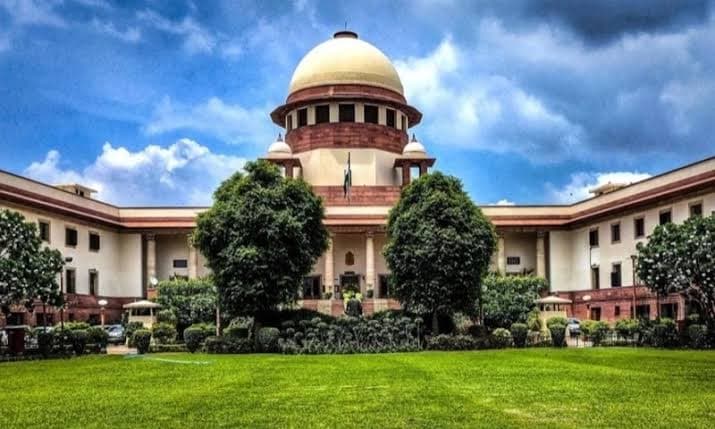
Supreme Court Emphasizes Education Equality
Published on:
Share this post
Article Summary
Supreme Court Judgment on Education and Equality
Judgment Overview:
- Date of ruling: January 13, 2026.
- Supreme Court of India, led by Justice P.S. Narasimha, emphasized the need for equality in education.
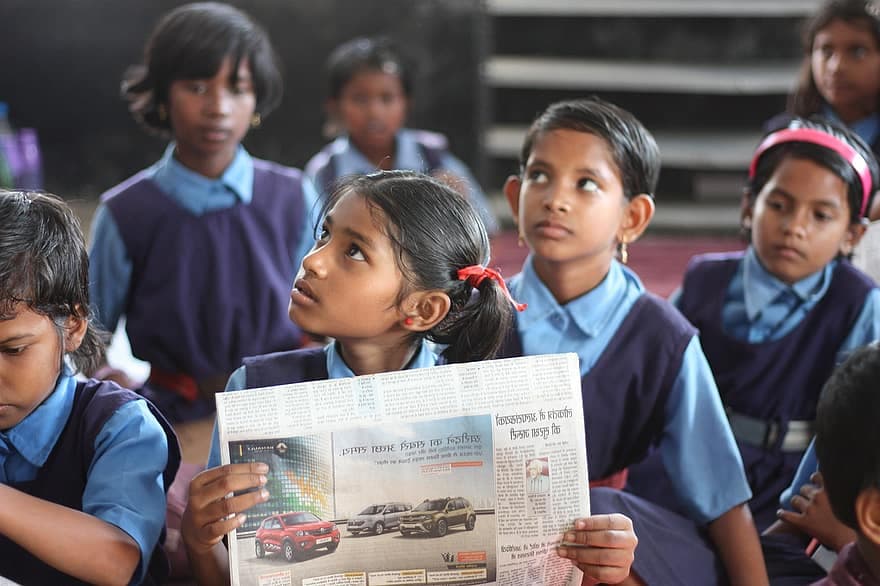
- The judgment asserts that children from all socio-economic backgrounds should share the same educational environment, mandating that multi-millionaire children sit alongside those from lower-income families.
Right to Education Act (RTE):
- The judgment reinforces the obligations under the Right to Education Act, 2009.
- Article 21A of the Indian Constitution mandates free and compulsory education for children aged 6 to 14 years.
- RTE aims to ensure admission of children from weaker and disadvantaged sections in neighborhood schools.
Constitutional References:
- Article 21A: Establishes the right to free and compulsory education for children.
- The court highlighted that ensuring educational access fulfills the constitutional promise of equality.
Case Background:
- Originated from a petition by Dinesh Biwaji Ashtikar, who faced difficulties in securing school admission for his children, despite available seats.
Key Findings & Recommendations:
- The judgment posits that the RTE Act has the "extraordinary capacity to transform the social structure" by promoting a shared educational space.
- The court called for national commitment and action from government bodies to facilitate admissions for underprivileged children.
- Judicial institutions are urged to support parents facing denial of educational rights, ensuring easy access and effective remedies.
Social Implications:
- Emphasizes the need for an inclusive approach to education as a means to promote social equality and cohesion.
- Highlights the broader impact on "young India"—the educational foundation is critical for achieving equality of status in society.
Overall Importance:
- The ruling serves as a landmark affirmation of the constitutional right to education and underscores the judiciary's role in enforcing this right to ensure equitable educational opportunities for all strata of society.
This summary encapsulates the constitutional, legal, and social dimensions laid out in the Supreme Court's ruling regarding education equality under the Right to Education Act.
Key Terms & Concepts
| Supreme Court of India | Judicial authority in ruling |
| Right to Education Act | Legislation for education access |
| Article 21A | Constitutional right for education |
| 2016 | Year of petition filed |
| 2009 Act | Statutory framework for education |
| Dinesh Biwaji Ashtikar | Petitioner in the case |