iAspirants
Supreme Court Examines Religious Freedom
Published on:
Share this post
Article Summary
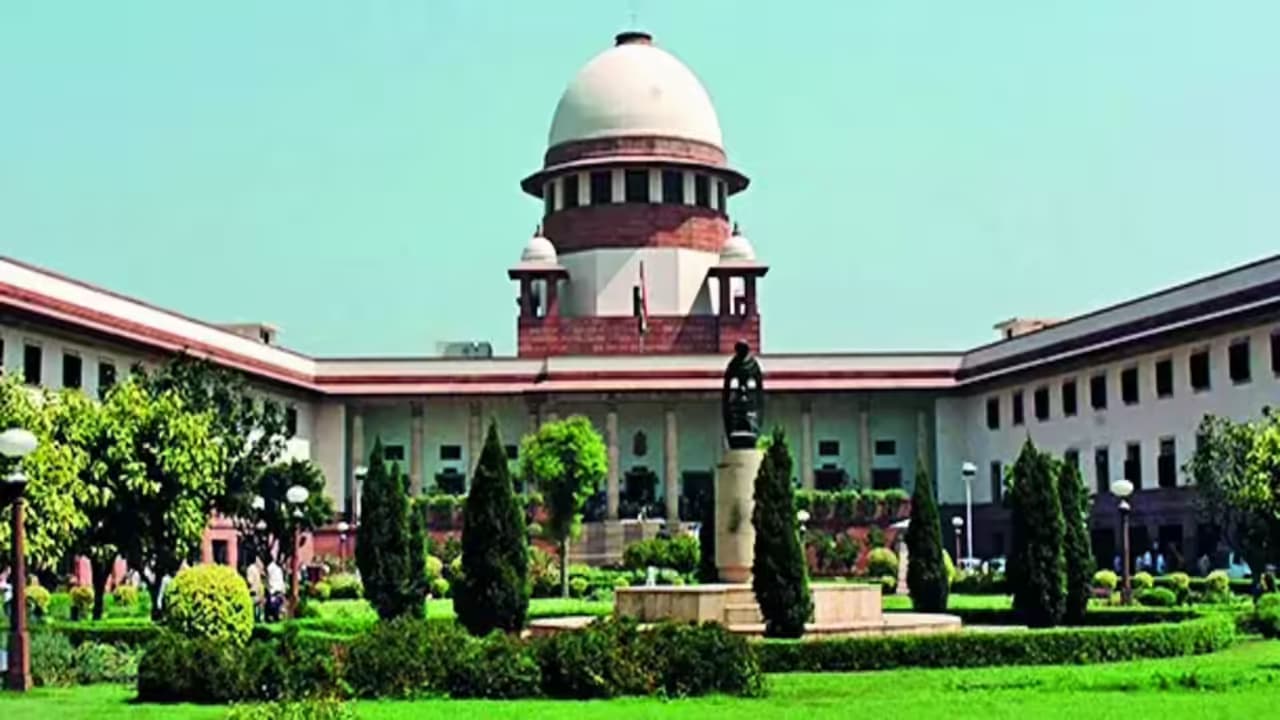
Supreme Court Clarification on Religious Freedom and Judicial Review in Sabarimala Case
Judicial Inquiry:
- The Supreme Court, through Justice Ahsanuddin Amanullah in a nine-judge Bench headed by Chief Justice Surya Kant, has sought clarification on how judges, while acting as a constitutional court, should handle their personal religious beliefs when examining matters of freedom of conscience.
Constitutional Articles Involved:
- Article 25: Grants the right to freedom of conscience and the right to profess, practice, and propagate religion.
- Article 26: Provides individuals the right to manage their own religious affairs.
Key Legal Question:
- The Bench is deliberating on whether courts can perform an “inquisitorial” examination of religious practices without infringing upon the constitutional rights granted under Articles 25 and 26. It raises the question of balancing personal religious convictions of judges against the mandates of constitutional provisions.
Context of Sabarimala Review Case:
- The case revolves around the extent of judicial intervention in religious practices, questioning the role of the judiciary in assessing religious customs and their alignment with constitutional rights.
Judicial Philosophy:
- Justice Amanullah's inquiry highlights the philosophical and ethical dilemma judges face in cases concerning deeply rooted personal beliefs and religious freedoms. It suggests that judges may need to transcend personal beliefs in favor of upholding constitutional principles.
Broader Implications:
- The outcome of this inquiry could significantly affect how the judiciary approaches cases involving the intersection of religion and constitutional rights, potentially reshaping interpretations of Articles 25 and 26 in future legal scenarios.
This case is emblematic of the ongoing discourse regarding the role of judiciary in matters of personal belief versus constitutional interpretation, and its implications on religious rights in India.
Key Terms & Concepts
| Supreme Court | Judicial authority in India |
| Chief Justice of India Surya Kant | Head of Supreme Court Bench |
| Justice Ahsanuddin Amanullah | Member of nine-judge Bench |
| Article 25 | Freedom of conscience |
| Article 26 | Right to manage religious affairs |
| Sabarimala review case | Judicial examination of religious practices |