iAspirants
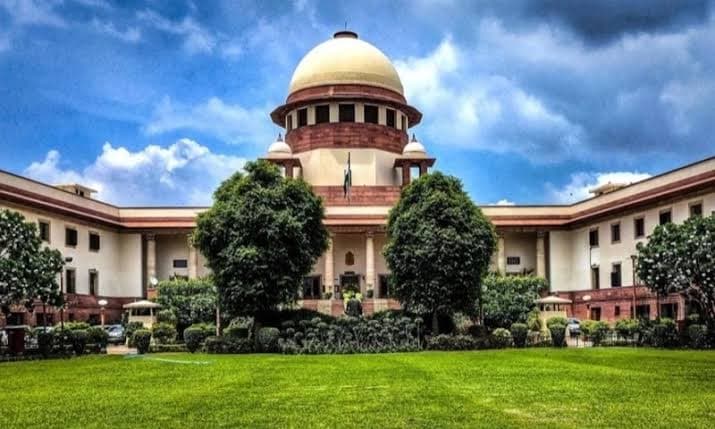
Supreme Court Hears Tribunal Reforms Act Case
Published on:
Share this post

Article Summary
Exam-Focused Notes on Supreme Court Hearing Regarding Tribunals Reforms Act, 2021
Judicial-Constitutional Context:
- The Supreme Court of India is hearing petitions challenging the Tribunals Reforms Act, 2021.
- Key constitutional issues include the separation of powers and judicial independence.
- The Act has been challenged for allegedly undermining a prior Supreme Court judgment by re-enacting provisions declared unconstitutional.
Background of the Issue:
- Origin of disputes dates back to 2017 with the Finance Act, empowering the Centre to frame rules for tribunals.
- Previously, the Rojer Mathew case (2019) saw a Constitution bench strike down government rules purported to undermine judicial independence.
- In 2020, another set of rules were challenged; the Supreme Court urged modifications, including a minimum five-year tenure for tribunal members to avoid executive pressure.
Key Provisions of the Tribunals Reforms Act, 2021:
- Fixed term of tribunal members at four years.
- Minimum age for appointment set at 50 years.
- The Madras Bar Association (MBA) argues these provisions violate the independence of the judiciary as per prior judicial verdicts.
Legal Arguments:
- Petitioners assert the four-year tenure leads to insecurity among tribunal members, potentially subjecting them to executive influence.
- Opposition to 50-year minimum age is based on the arbitrary exclusion of younger, capable lawyers, questioning consistency with judicial appointments where younger candidates can be appointed.
- The Union government defends the provisions as policy decisions within Parliament's domain, claiming the four-year term offers adequate security combined with the potential for reappointment.
Judicial Responses:
- CJI BR Gavai voiced concern over government requests for adjournments, indicating frustration with delays in the proceedings and suggesting possible ulterior motives.
- The Supreme Court's remarks imply an ongoing tension between legislative actions and judicial oversight.
Impact on Tribunal Functionality:
- Data cited from December 2022 indicates significant vacancies in key tribunals due to delays in appointments:
- National Company Law Tribunal: 24 vacancies (sanctioned strength: 32).
- Armed Forces Tribunal: 24 vacancies (sanctioned strength: 34).
- Income Tax Appellate Tribunal: 18 out of 63 posts vacant.
- Railway Claims Tribunal: All vice chairman roles vacant, 16 out of 20 judicial member posts vacant.
- Central Government Industrial Tribunal-cum-Labour Courts: 13 presiding officers against 22 sanctioned positions.
- Data cited from December 2022 indicates significant vacancies in key tribunals due to delays in appointments:
Judicial Perspectives on Vacancies:
- The Supreme Court has previously described the situation as leaving tribunals "virtually defunct," indicating a concern over the functional capacity of these adjudicative bodies and their implications for justice delivery.
Constitutional Articles and Framework:
- Separation of Powers principle emphasized under Articles 14 (Right to Equality), 21 (Right to Life), and relevant provisions guiding judicial independence.
Future Considerations:
- Ongoing legal assessment and debates regarding the balance of power between the judiciary and legislature and the underlying principles of an independent judiciary within the framework of India’s Constitution.
Key Terms & Concepts
| Tribunals Reforms Act, 2021 | Legal framework for tribunals |
| Madras Bar Association | Challenging Act's constitutionality |
| Chief Justice of India | Presiding over the hearing |
| Rojer Mathew case | Relevant judicial precedent |
| Four years term for tribunal members | Contentious provision of Act |
| 50 years minimum age limit | Contentious provision of Act |
| Supreme Court judgment (July 2021) | Struck down earlier ordinance |
| December 2022 tribunal vacancies data | Illustrates vacancies issue |
| National Company Law Tribunal | Key tribunal affected |
| Income Tax Appellate Tribunal | Key tribunal affected |