iAspirants
Supreme Court Highlights Death Penalty Issues
Published on:
Share this post

Article Summary
Summary of Key Points from the Article on Death Penalty Cases in India
Constitutional and Legal Context
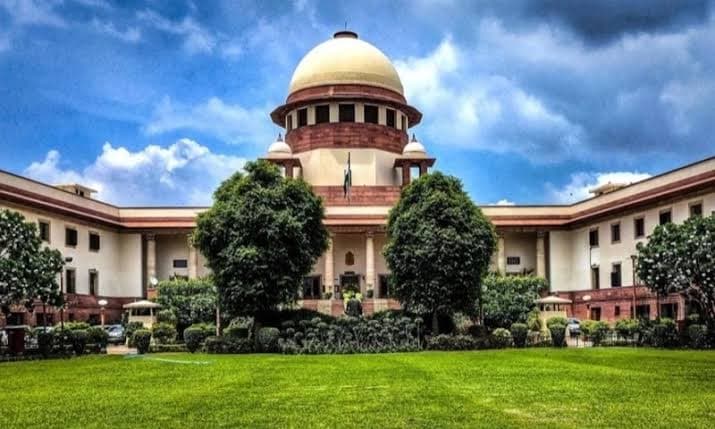
- Supreme Court Involvement: The Supreme Court of India has not confirmed a single death sentence for three years. In 2023, it has acquitted nine prisoners on death row and commuted five death sentences to life imprisonment.
- Judicial Findings: The Supreme Court emphasized grave investigative lapses, poor legal representation, and the necessity for strong evidence in death penalty cases, as highlighted by multiple judgments.
Specific Judicial Rulings
- Acquittals: Notable acquittals included:
- Rakesh: Accused of murdering his family, sentenced to death but acquitted due to significant investigative flaws.
- Krishna: Wrongfully imprisoned for nearly 13 years for familial murders; acquitted on grounds of lack of corroborated evidence.
- Manoj: Spent 10 years in prison due to wrongful allegations of kidnapping and murder; acquitted highlighting investigative shortcomings.
- Surendra Koli: The primary accused in the Nithari killings, acquitted after nearly two decades, with the Court invoking extraordinary curative jurisdiction, noting prosecutorial error.
Systemic Issues in Legal Representation
- Legal Aid Deficiencies: Many death-row prisoners are from marginalized backgrounds, lacking effective legal representation that increases the probability of wrongful conviction.
- Police Errors: Inadequate evidence handling and procedural violations were common issues leading to wrongful sentences, as stressed by former police officials.
Economic Impact and Government Response
- Compensation: There is currently no statutory framework in India recognizing the right to compensation for wrongful convictions. Acquitted individuals and their families face severe financial hardships, and petitions for compensation are pending.
- Call for Reforms: Legal experts call for the establishment of a robust investigative code and procedural guidelines to prevent wrongful incarcerations.
Human Stories and Societal Implications
- Prisoners released after years of wrongful imprisonment face stigmatization and struggle to reintegrate into society.
- Individuals like Rakesh and Krishna exhibit profound psychological and economic challenges post-incarceration, emphasizing the long-term impact on their lives and families.
Government Schemes and Judicial Importance
- Mitigation Process: The court's mitigation process aims to investigate the life history of accused individuals to assess their capacity for reformation.
- Judicial Review: The Supreme Court is increasingly focusing on deep scrutiny of procedural lapses in death penalty cases, reflecting a shift towards greater accountability within the justice system.
Conclusion
The Indian justice system is undergoing a critical examination regarding its handling of death penalty cases, with significant judicial scrutiny revealing systemic issues that lead to wrongful convictions. Calls for accountability, better legal representation, and compensation for wrongful prisoners highlight the need for comprehensive legal reforms to protect the rights of individuals under the judicial system.
Key Terms & Concepts
| Supreme Court of India | Reviewed death penalty cases |
| Prosecution | Flawed investigative practices |
| Prakash Singh v. Union of India | Set police reform standards |
| Investigation Code | Necessary for legal integrity |
| Nithari killings | Controversial case leading to acquittal |
| Compensation | Sought for wrongful imprisonments |
| Centre | Responsible for compensation statute |
| Death Row | High number of acquittals |
| Life Imprisonment | Commuted sentences in similar cases |
| Legal Aid | Insufficient for effective defense |