iAspirants
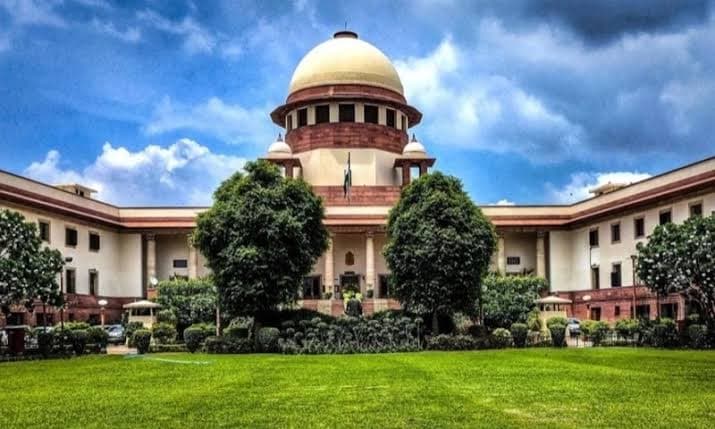
Supreme Court Judgment on Governors' Powers
Published on:
Share this post

Article Summary
Supreme Court Ruling on Presidential Reference and Constitutional Implications
Key Constitutional Articles:
- Article 200: Governor must declare decisions on State Bills "as soon as possible."
- Article 201: Governs the power of the Governor regarding State Legislature actions.
- Article 142: Allows the Supreme Court to pass orders for doing complete justice, previously used to grant deemed assent to Bills.
Major Points from the Supreme Court Judgment:
- The Supreme Court ruled that Governors and the President are not bound by rigid timelines for deciding on Bills passed by State legislatures, allowing potential delays and unchecked power over legislation.
- The judgment reverses a precedent set in April 2025, which recommended three-month timelines for decisions and allowed for deemed assent in certain cases.
- Emphasizes the principle of separation of powers but effectively increases the Governor's authority at the expense of State legislative rights.
Judicial Interpretation:
- The Court’s interpretation labelled the Governor's responsibilities to the Council of Ministers as non-binding, contrary to historical framers' intent, who had previously eliminated terms like "in his discretion" from relevant constitutional Articles.
- Criticism arose for dismissing the urgency implied in Article 200, considering it too "elastic," which undermines constitutional enforceability.
Consequences of the Ruling:
- The judgment entails that if a Bill's assent is withheld, the Governor must return it to the Assembly but retains the discretion to reserve it for the President's consideration, which could lead to indefinite delays.
- There is no defined "reasonable period of time" for holding or referring Bills which may lead to protracted legal challenges for States against perceived inaction by Governors.
Impact on Federalism and State Rights:
- The ruling potentially undermines the federal structure by facilitating executive overreach, wherein Governors may obstruct the legislative process without significant accountability.
- States have limited recourse to challenge Governors’ arbitrary delays, effectively crippling their legislative power, especially in opposition-ruled regions.
Historical Context and Recommendations:
- The Sarkaria Commission previously suggested a six-month period for Governors to act on Bills.
- As noted, the current ruling diverges from earlier recommendations and established practices, posing challenges for state governance.
Legal Implications:
- The judgment establishes a precedent that may lead to increased difficulties for State Assemblies in ensuring timely legislative action, thus raising concerns over the balance of power between the State and the Union.
- The absence of procedural safeguards and oversight could enable potential misuse of Governor’s powers, with significant implications for democracy and legislative integrity.
Summary:
The Supreme Court has rendered a critical opinion affecting the relationship between State legislation and the central authority of Governors and Presidents. This landmark ruling not only challenges the enforcement of constitutional timelines but also raises questions regarding the federal structure and legislative autonomy of States, potentially leading to tensions in State governance and political representation.
Key Terms & Concepts
| Supreme Court | Judicial authority interpreting Constitution |
| Article 200 | Governor's assent to Bills |
| Article 201 | Governor's legislative powers |
| Article 142 | Extraordinary judicial powers |
| Sarkaria Commission | Recommended timeline for assent |
| Government of India Act, 1935 | Historical legislative framework |
| April 2025 | Prior related judgment date |
| State List | Subjects for State legislation |
| Federalism | Concept affected by judgment |
| Legislative Assembly | Body passing State Bills |