iAspirants
Supreme Court Mandates Menstrual Hygiene Access
Published on:
Share this post
Article Summary
Supreme Court Judgment on Menstrual Hygiene as a Constitutional Right
Judicial Verdict:
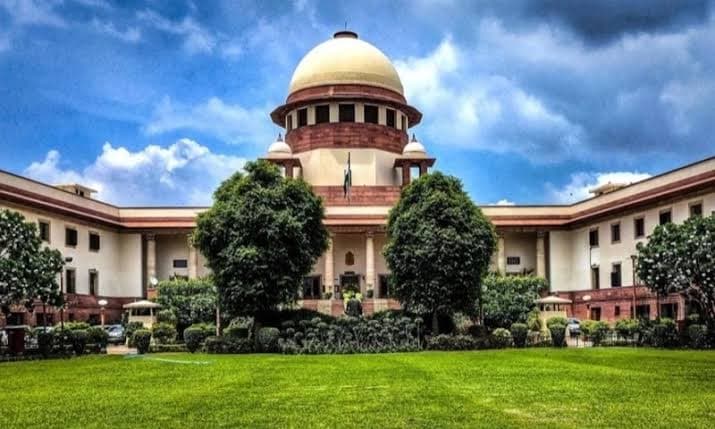
- The Supreme Court, led by Justices J B Pardiwala and R Mahadevan, ruled that access to menstrual hygiene is a constitutional right and not merely a health issue, emphasizing its importance for gender equality.
Constitutional References:
- Article 14: Ensures equality before the law; the court underscored that equal treatment may require unequal support for disadvantaged groups.
- Article 21: Right to life and personal liberty; the judgment interprets it to include living with dignity, revealing how lack of menstrual hygiene directly impacts dignity and autonomy.
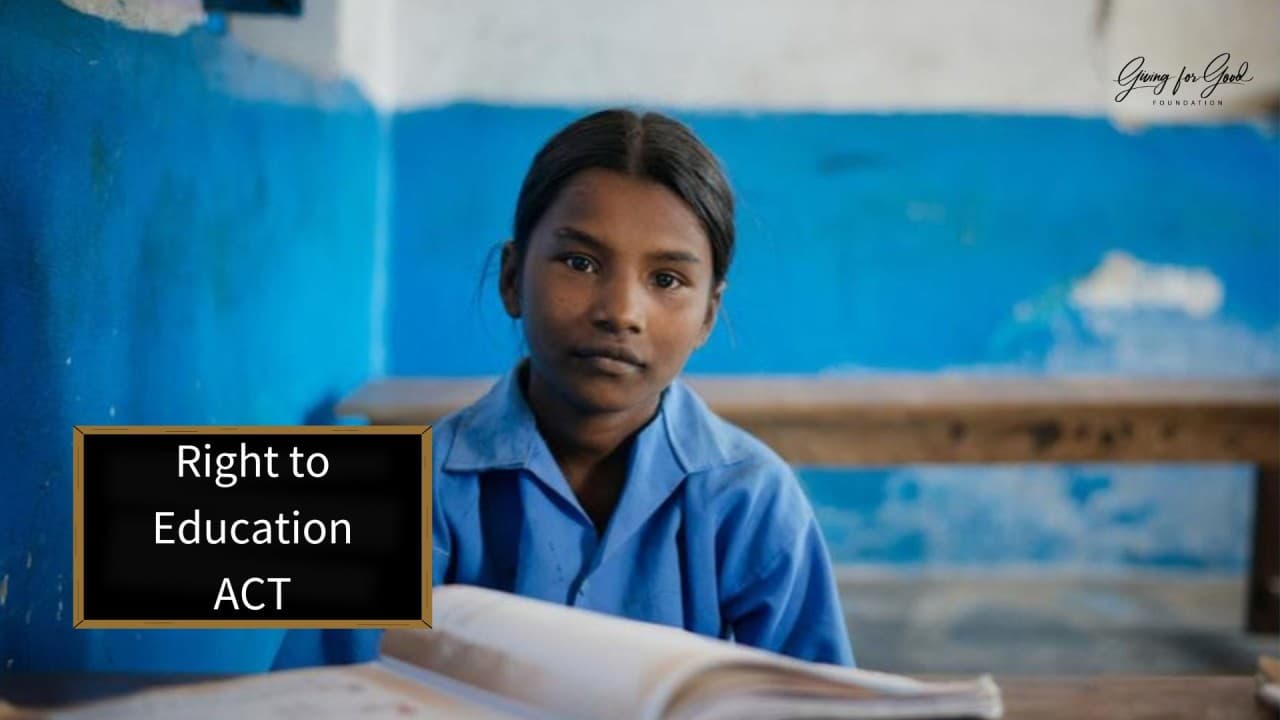
Right to Education (RTE) Act, 2009:
- The court's interpretation of Section 3 indicates “free education” extends beyond waiving fees to encompass necessary support for attendance, isolating menstrual hygiene products as a requisite for educational equity.
- Section 19: Schools must adhere to norms including gender-segregated toilets, which the court insisted must be accessible and include sanitary provisions to prevent school dropout.
Judicial Directives:
- The court mandated that all schools (public and private) must provide free sanitary napkins, preferably oxo-biodegradable, with a directive for mechanisms (like vending machines) for easy access.
- Schools must maintain hygienic disposal systems for sanitary products, including regularly maintained covered waste bins.
- Requirements for functional and gender-segregated toilets with running water and privacy considerations, particularly for students with disabilities, were emphasized.
Menstrual Hygiene Management (MHM):
- Establishment of MHM corners in schools with essentials (spare uniforms, bags for disposables) to prevent menstruation-related school absences was mandated.
- Stigmatization of menstruation must be tackled through educational programs for both male and female students, supporting a healthy dialogue around menstruation.
National Gender-Responsive Curriculum:
- Development of curricula around puberty and menstruation to ensure comprehensive education.
- Training of all teachers on menstruation-related support, regardless of gender, was specified as crucial.
Inspections and Feedback Mechanisms:
- District Education Officers (DEOs) are to conduct annual inspections and gather anonymous student feedback to evaluate menstrual hygiene facilities.
Conclusion of Judgment:
- The bench emphasized that the systemic issues surrounding menstrual hygiene should not burden the girl child's education, framing the judicial intervention as a protective measure for maintaining educational rights.
Implications: This landmark ruling underscores the necessity for gender-sensitive frameworks within educational infrastructure, aiming for a holistic approach to health, dignity, and equality for girl students. The focus on menstrual hygiene management as a fundamental right reflects broader commitments to women's rights and gender equity in India.
Key Terms & Concepts
| Article 14 | Guarantees equality before law |
| Article 21 | Right to life with dignity |
| Right of Children to Free and Compulsory Education Act, 2009 | Education must be financially accessible |
| Menstrual Hygiene Management (MHM) | Essential for girls' education |
| oxo-biodegradable sanitary napkins | Environmentally sustainable products |
| National Council of Educational Research and Training | Incorporate gender-responsive curricula |
| District Education Officers (DEO) | Conduct periodic school inspections |
| functional, gender-segregated toilets | Ensure privacy and accessibility |