iAspirants
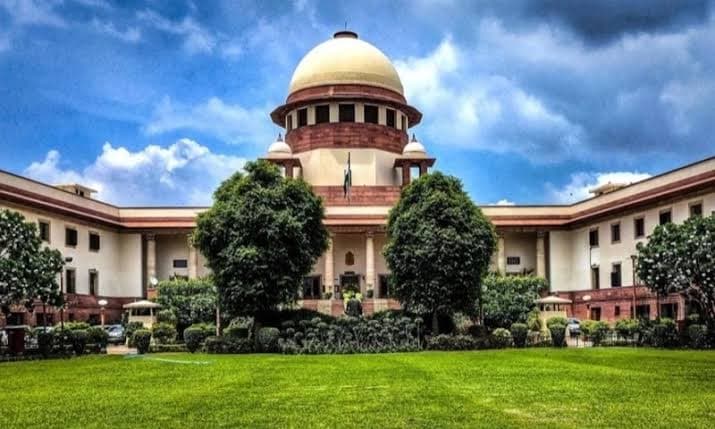
Supreme Court on Online Gaming Law
Published on:
Share this post

Article Summary
Supreme Court Hearing on Promotion and Regulation of Online Gaming Act, 2025
Key Facts and Context:
- The Promotion and Regulation of Online Gaming Act, 2025 bans real money games, related banking services, and advertisements to curb issues related to online gambling and betting.
- Define “betting” and “gambling”: The Court indicated that regular competitions and tournaments, such as chess, may not fall under this definition and could be excluded from the Act’s ambit.
- The law aims to address the risks associated with online money games, citing over 45 crore people negatively impacted and financial losses exceeding ₹20,000 crore.
Judicial Involvement:
- The Supreme Court, led by Justices J.B. Pardiwala and K.V. Viswanathan, is reviewing petitions challenging the new law. This includes a request from an online chess player claiming income from tournaments.
- A significant focus of the hearing was distinguishing between gaming for entertainment versus activities classified under the restrictive provisions of the law.
- The case will continue on November 26, 2025, and the Court has ordered the government to file a comprehensive counter-affidavit.
Government Position:
- The Union Government, represented by Additional Solicitor General N. Venkataraman, argues that the law is essential for mitigating serious risks posed by online money games, which have exploited legal loopholes and resulted in societal harm.
- Authorities highlight concerns over addiction, financial ruin, money laundering, and possible terrorism financing linked to some online gaming platforms.
Constitutional References:
- Petitioners argue that the Act violates:
- Right to equality and freedom of expression (potential breach of Article 14 and Article 19 of the Indian Constitution).
- Federalism principles and the distinction between games of skill and chance.
Related Laws and Judicial Precedents:
- Relevant legislation includes the Bharatiya Nyaya Sanhita, 2023, and various State laws regulating gambling and betting.
- The Supreme Court has transferred multiple petitions from State High Courts to itself for consolidated hearings, indicating a significant judicial interest in the implications of the Act.
Key Economic Implications:
- The government has acknowledged economic distress impacting stakeholders in the online gaming industry, citing job losses due to the restrictions imposed by the Act.
- In previous hearings, counsel for affected companies reported operational challenges and a lack of avenues for continuation of their businesses following the enforceability of the Act.
Summary:
The Supreme Court engagement with the Promotion and Regulation of Online Gaming Act, 2025, underscores the tension between the regulation of online gaming to counter adverse societal impacts and the rights of individuals and businesses within the gaming sector. There is potential for ongoing legal battles over the balance of regulation and individual rights, with significant implications for the future of online competitive gaming in India.
Key Terms & Concepts
| Promotion and Regulation of Online Gaming Act, 2025 | Bans real money games |
| Justices J.B. Pardiwala and K.V. Viswanathan | Hearing case on online gaming |
| ₹20,000 crore | Estimated losses in gaming sector |
| 45 crore people | Negatively affected by online games |
| Bharatiya Nyaya Sanhita, 2023 | Governs gambling and betting |
| November 26, 2025 | Scheduled detailed hearing date |
| Federalism | Legal principle in questioned law |
| Online platforms | Challenging the 2025 Act |
| Terror financing and illegal messaging | Security concerns raised |