iAspirants
Supreme Court Petition on Himalayan Roads
Published on:
Share this post

Article Summary
- Veteran politicians and environmentalists, including Murli Manohar Joshi and Karan Singh, have urged the Supreme Court to review its 2021 ruling allowing road widening under the Chardham project beyond a width of 5.5 meters.
- The Chardham project, overseen by the Ministry of Road Transport and Highways (MoRTH), entails widening Himalayan roads, notably in the Bhagirathi Eco Sensitive Zone and near the Indo-China border, claiming national security importance.
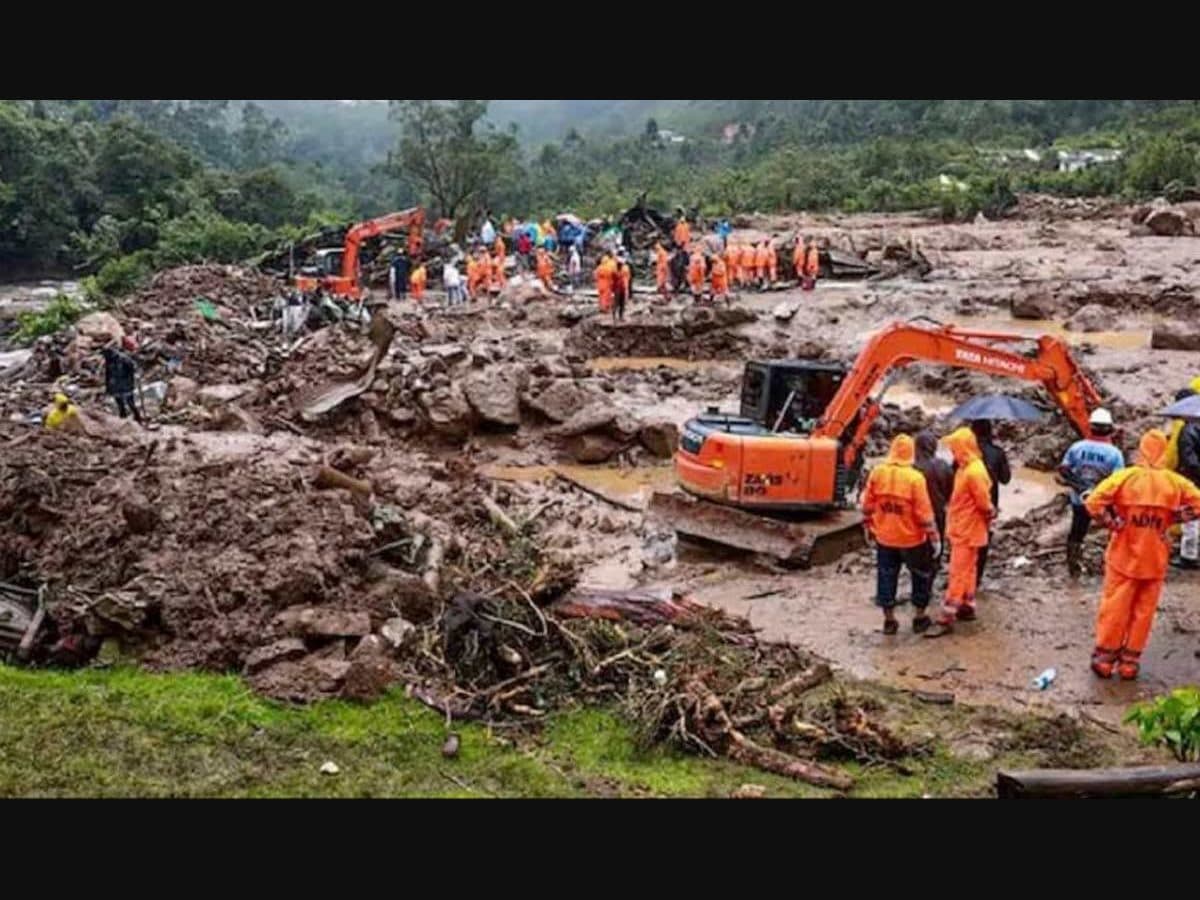
- Environmentalists contend that wider roads exacerbate landslides and ecological damage, causing severe blockages in monsoon seasons and affecting critical routes like Badrinath and Gangotri.
- An expert committee previously recommended limiting road width to 5.5 meters; however, the Supreme Court eventually allowed widths of up to 10 meters for military logistics amid border tensions with China, asserting the Ministry of Defence’s need for wider highways for troop mobilization.
- The recent petition highlights disastrous consequences from the expanded roads, citing increased landslides and environmental degradation, urging the Court to revert to the earlier recommendation for narrower roads to mitigate ecological impact.
Key Terms & Concepts
| Chardham project | Road widening project in Himalayas |
| Ministry of Road Transport and Highways (MoRTH) | Oversight authority for roads |
| Bhagirathi Eco Sensitive Zone (BESZ) | Protected area affected by project |
| Supreme Court | Judicial authority reviewing project |
| D.Y. Chandrachud | Former Chief Justice overseeing case |
| 10 metres | Road width mandated by Court |
| 5.5 metres | Recommended road width by experts |
| Uttarakhand | Region affected by road construction |
| massive landslides | Consequences of road widening |
| torrential rains | Natural disaster exacerbating issues |