iAspirants
Supreme Court Racial Slur Guidelines Plea
Published on:
Share this post

Article Summary
Summary of Key Points
Judicial Plea and Constitutional Issues
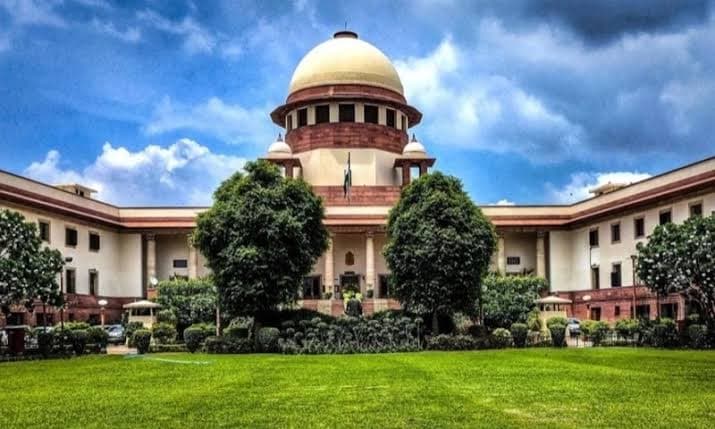
- A plea has been filed in the Supreme Court of India to establish comprehensive guidelines recognizing ‘racial slur’ as a distinct category of hate crimes, demanding a specific punishment.
- The plea stems from the murder of Anjel Chakma, a 24-year-old MBA student from Tripura, who was attacked in Uttarakhand after being subjected to racial abuse.
Background and Context
- The petition highlights a history of racial violence against individuals from northeastern states and raises awareness of the insufficient addressal of racial crimes in existing laws, including the Bharatiya Nyaya Sanhita.
- It references the 2014 death of Nido Taniam, illustrating a pattern of violence against northeastern communities.
Constitutional References
- The plea argues that the current legal framework fails to recognize the gravity of hate crimes linked to racial motivation, thereby undermining constitutional mandates.
- The petitioner emphasizes the constitutional principles of samdarsana (equivalence) and vasudhaiva kutumbakam (the world is one family), asserting that racial violence contradicts these principles and is both unconstitutional and anti-civilizational.
Recommendations in the Plea
- The petition urges:
- The establishment of a nodal agency or permanent body at the Central and State level for reporting and addressing racial crime.
- The creation of a special police unit dedicated to tackling racial crimes, organized by metro areas or districts.
Government Policy and Legislative Gaps
- The plea underscores the deficiency in the criminal justice system’s response to hate crimes, which are treated as ordinary offences, leading to impunity for perpetrators.
- The lack of dedicated legislative frameworks to handle racial discrimination and violence is a key concern raised.
Public Sentiment and Government Acknowledgment
- The public outcry highlighted by the plea reflects widespread grief regarding the attack and growing awareness of racial discrimination issues.
- The Union of India has previously acknowledged the problem of violence against northeastern citizens in parliamentary discussions, but meaningful action has yet to be implemented.
Conclusion
- The plea in the Supreme Court seeks significant reforms to recognize and address hate crimes, particularly those motivated by racial discrimination, arguing that the current state of affairs represents a constitutional failure in protecting vulnerable citizen groups in India.
- The ongoing call for a structured response to these incidents emphasizes the need for an effective legal framework that safeguards against racial violence and promotes social equality.
Key Terms & Concepts
| Supreme Court | Judicial body for plea |
| Bharatiya Nyaya Sanhita | New criminal laws reference |
| Nido Taniam case | Past racial violence incident |
| vasudhaiva kutumbakam | Philosophy against racial hate |
| samdarsana | Philosophy against racial discrimination |
| December 26 | Date of Chakma's death |
| Union of India | Acknowledged racial violence |