iAspirants
Supreme Court Recognizes Mental Health Rights
Published on:
Share this post

Article Summary
Summary of the Supreme Court Verdict in Sukdeb Saha vs The State of Andhra Pradesh
Background: The case arose from the tragic suicide of a 17-year-old NEET candidate in a hostel in Visakhapatnam. The father alleged inadequate police investigation and sought a Central Bureau of Investigation (CBI) inquiry after being denied by the Andhra Pradesh High Court.
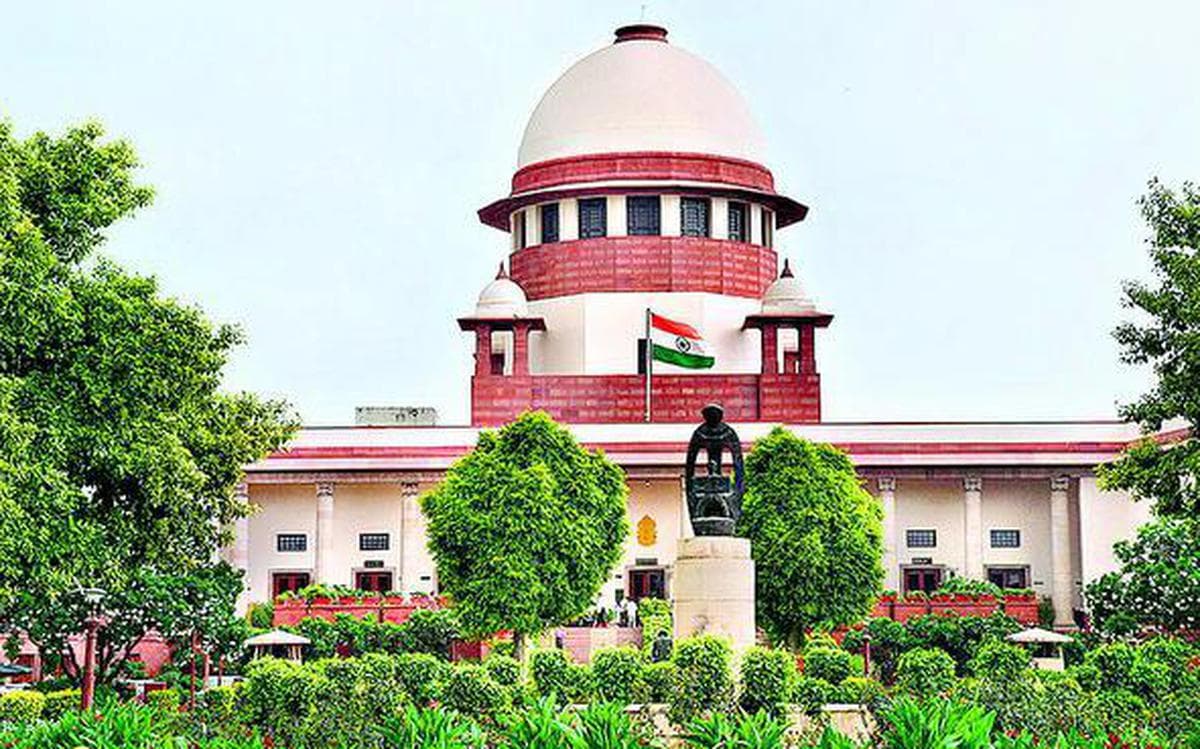
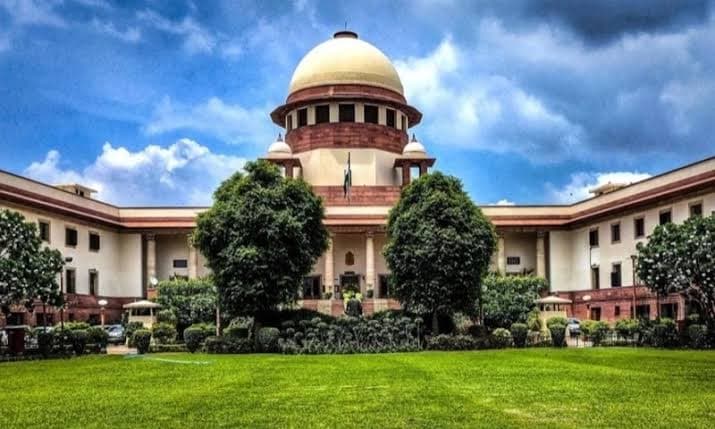
Supreme Court Ruling (July 2025):
- The Supreme Court ordered the CBI to conduct the investigation.
- Recognized mental health as integral to the right to life under Article 21 of the Indian Constitution, marking a significant constitutional acknowledgment.
Social Context:
- The judgment highlighted the epidemic of student suicides in India, linking it to mental health neglect, exploitative coaching cultures, and systemic indifference in educational institutions.
- It proposed that systemic neglect of mental health by state and educational institutions constitutes structural victimization.
Judicial Reasoning:
- The Court expanded the victimology perspective, pairing the plight of students with institutional accountability, framing the issue not merely as personal but as a societal injustice.
- Emphasized that students are not just victims of internal struggles but of educational systems that fail to support them.
Legal Implications:
- The Mental Healthcare Act, 2017 recognized the right to mental health care, but its inconsistent implementation prompted the Court to reinforce mental health as a constitutional right.
- Established interim directives known as the “Saha Guidelines”:
- Educational institutions must develop proactive mental health support systems.
- States and Union Territories were instructed to enforce these guidelines within two months, establishing district-level monitoring committees.
Criminological Perspectives:
- Addressed the concept of structural violence based on Johan Galtung’s theory, equating societal structures causing harm with direct violence.
- Transformed student suicides from being categorized as personal failures to outcomes of systemic failures.
Rights of Students:
- The judgment asserts students’ rights to psychological integrity under Article 21, positioning them as rights holders in matters of mental health.
Future Challenges:
- There remains skepticism regarding the actual implementation of the guidelines by educational institutions and state governments.
- The success of this ruling hinges on institutional commitment and resource allocation for mental health care.
Conclusion:
- The case unites the themes of law, criminology, and victimology in recognizing institutional harm.
- The ruling has the potential to empower students, challenging societal norms and advocating for mental well-being as a fundamental right.
Key Takeaway: By affirming mental health as part of the right to life, the Supreme Court aims to address and mitigate the student suicide crisis, ensuring educational institutions are held accountable for fostering supportive environments.
Key Terms & Concepts
| Supreme Court of India | Legal authority in verdict |
| State Of Andhra Pradesh | Respondent in legal case |
| Central Bureau of Investigation | Investigative body assigned |
| Article 21 | Right to life clause |
| Mental Healthcare Act 2017 | Legislation on mental health rights |
| Saha Guidelines | Mandated mental health measures |
| Johan Galtung | Theory of structural violence |