iAspirants
Supreme Court Recognizes Walking Rights
Published on:
Share this post
Article Summary
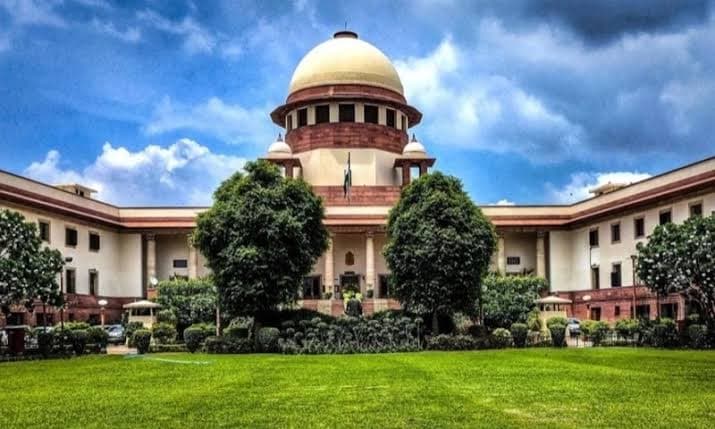
Supreme Court Ruling on Pedestrian Rights: Key Highlights
Judgment Overview:
- Date of Judgment: June 19.
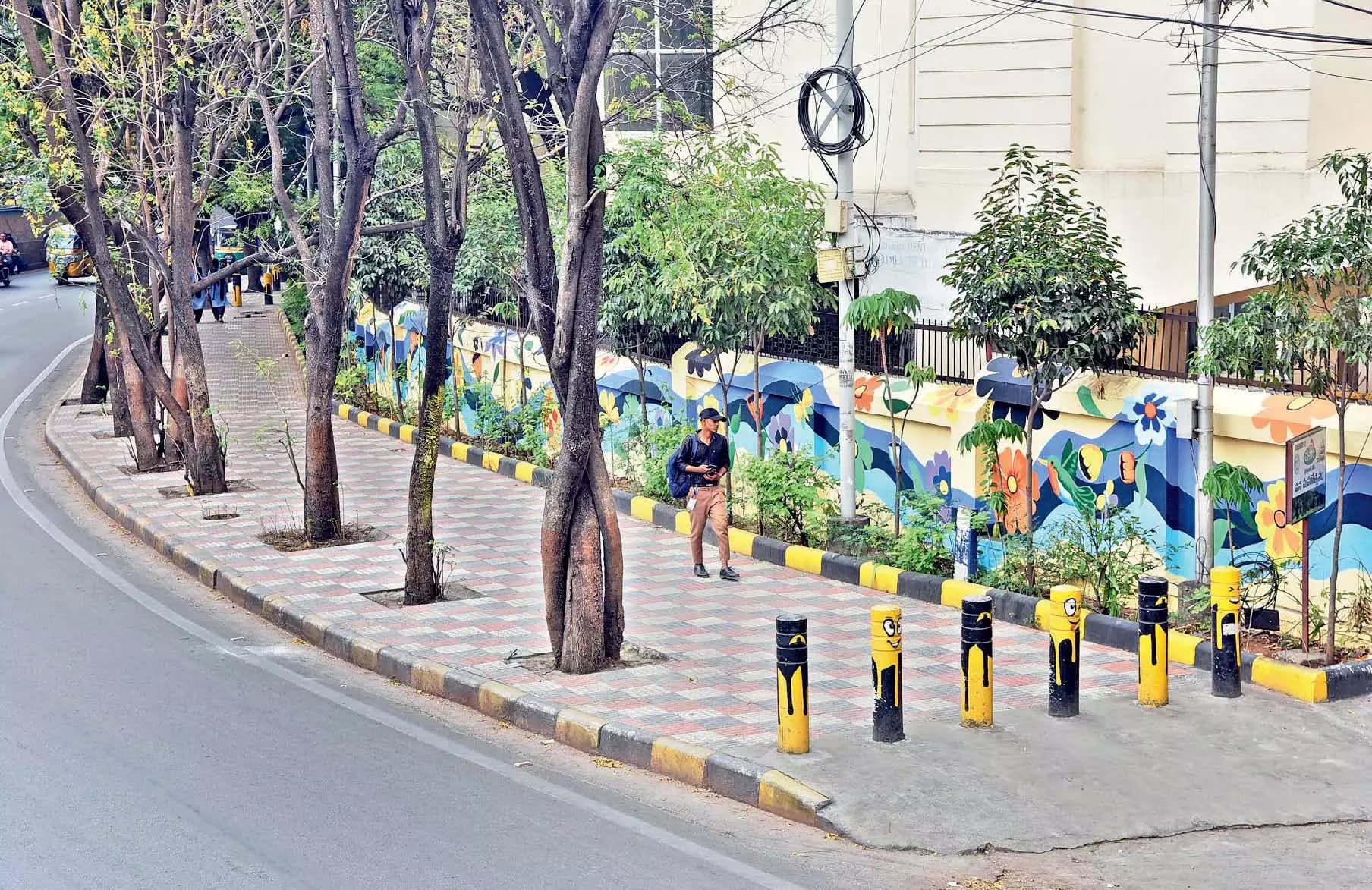
- Case Context: Recognized the right to walk on demarcated and well-maintained footpaths as a fundamental right.
- The judgment was in response to the tragic incident involving the death of a five-year-old boy.
Legal Implications:
- Regulatory Framework: Directed the government to enact a law that solidifies this right and to establish a regulatory body for enforcement.
- Overriding Motorized Rights: Explicitly states that this fundamental right takes precedence over motor vehicle privileges.
Socio-political Significance:
- Walking is not merely transportation but is deeply embedded in India's social and political framework, reflecting historical practices and movements.
Concerns about Implementation:
- Potential issues regarding how the law may be used against marginalized groups, especially pavement dwellers and hawkers.
- Need for clarity on the definitions of “encroachments” and ensuring that pedestrian rights are not compromised by elite interests.
Historical Context:
- Previous Supreme Court decisions emphasized class disparities in urban encroachment enforcement:
- Example: Mahipalpur Ridge Case - Allowed commercial developments on forest land while displacing local slum communities.
- Previous ruling in Olga Tellis v. Bombay Municipal Corporation (1985) acknowledged the rights of slum dwellers but primarily in terms of evictions without providing substantial relief.
- Previous Supreme Court decisions emphasized class disparities in urban encroachment enforcement:
Urban Planning and Development Insights:
- Significant disparities exist in land use, with parked cars occupying over 10% of New Delhi's land compared to slum populations barely using 3%.
- An average-sized parked car occupies 23 sq. m, and certain areas can command rents as high as ₹36,000 monthly.
Parking and Mobility Challenges:
- On-street parking severely restricts pedestrian access and complicates the implementation of cycling and bus lanes, affecting urban decarbonization efforts.
- The rise in the number of SUVs adds pressure for more parking space, creating further conflicts over public space usage.
Call for Policy Changes:
- The ruling necessitates a paradigm shift towards recognizing pedestrian rights.
- Requires an overhaul of urban planning to prioritize pedestrian needs over vehicular access, including rigorous parking management strategies.
Economic and Urban Statistics:
- Analysis by the Centre for Science and Environment (CSE) indicates underutilization of multi-level paid parking infrastructure due to free on-street parking.
- The increasing number of vehicles on the road correlates with worsening conditions for pedestrians, necessitating immediate governmental and civic action.
This summary encapsulates the critical aspects of the Supreme Court's ruling and its implications for urban governance, rights, and socio-economic equity in India, emphasizing the need for a balanced approach in policy-making and urban planning.
Key Terms & Concepts
| Supreme Court of India | Recognized right to walk |
| June 19 | Date of significant judgment |
| Olga Tellis v. Bombay Municipal Corporation | Landmark case on housing rights |
| CSE | Conducted parking area analysis |
| ₹36,000 | Rent for parking area |
| 23 sq. m | Land allocated for parking |
| 10,000 families | Number of displaced families |
| 170 acres | Size of Khori Basti settlement |
| 3% | Slum population land occupation |
| 2009 | Year of CSE analysis |