iAspirants
Current AffairsPrelims PYQsUPSC CSE SyllabusUPSC CSE StrategyBlogsPricing
Login
iAspirants

Your AI-powered companion for UPSC preparation.

Quick Links

  • Home
  • About Us
  • Current Affairs
  • Prelims PYQs
  • UPSC CSE Syllabus
  • UPSC CSE Strategy
  • Blogs

Company

  • Pricing
  • FAQs
  • Contact Us
  • Login

Legal

  • Privacy Policy
  • Terms & Conditions
  • Return Policy

© 2025 iAspirants, Inc. All rights reserved.

  1. Blogs
  2. Polity and Governance

Supreme Court Reviews High Court Ruling

Published on: 10-Oct-2026

Source: The Hindu

Share this post

Supreme Court Reviews High Court Ruling

Article Summary

  • Supreme Court Ruling: On October 9, 2026, the Supreme Court of India, led by Chief Justice Surya Kant, initiated a suo motu case in response to a controversial Patna High Court judgment.

  • Controversial Judgment: The Patna High Court acquitted accused Himanshu Pathak of attempted rape, ruling that actions like removing a woman’s salwar and pressing her chest do not amount to an attempt to rape, but rather constitute assault or use of criminal force, invoking Section 354 of the Indian Penal Code (IPC).

  • Judicial Reaction: The Supreme Court Bench expressed shock at the High Court's reasoning, indicating a potential infringement on the rights of women.

  • Senior Advocate’s Concerns: Advocate Shobha Gupta highlighted the problematic use of terms like "preparation" in legal judgements regarding sexual offences that fall short of actual penetration, and pointed out similar insensitive language used in other High Court decisions.

  • Legal Context:

    • Section 354 IPC: Addresses assault or use of criminal force against a woman with intent to outrage her modesty.
    • Section of Attempted Rape (IPC 376 read with 511): Requires evidence of an attempt at penetration; the High Court found a lack thereof in this case.
  • Trial Details: The trial court had previously convicted Pathak under IPC Sections 376 and 342, sentencing him to three years of rigorous imprisonment and a fine for attempting rape and wrongful confinement, respectively.

  • Incident Timeline: The assault occurred on January 19, 2008, in Chhaya Studio, Amarpur, where the accused allegedly isolated the victim under the pretext of showing her a photograph, leading to the alleged sexual attack.

  • FIR Registration: The First Information Report (FIR) was lodged the day following the incident, triggering the legal proceedings against Pathak.

  • Judicial Examination Ahead: The Supreme Court will review the submissions made, indicating a potential reassessment of the legal standards regarding sexual assault and the interpretation of consent and modesty under Indian law.

This case emphasizes ongoing discussions about the definition and judicial interpretation of sexual violence in India, as well as the need for sensitivity and accuracy in legal language concerning victims of sexual crimes.

Key Terms & Concepts

Supreme CourtHighest judicial authority in India
Patna High CourtLower court making ruling
Indian Penal CodeLegal framework governing offenses
Section 354Outraging woman's modesty offenses
Section 376 read with 511Attempting to commit rape offense
Section 342Wrongful confinement offense
October 9, 2026Date of Supreme Court intervention
January 19, 2008Date of alleged incident
₹5,000 fineMonetary penalty imposed
three years' rigorous imprisonmentPrison sentence for conviction
six months' imprisonmentSentence for wrongful confinement
Chhaya Studio, AmarpurLocation of the incident

Mind Map for UPSC Civil Services Revision

Turn UPSC Civil Services Current Affairs Into Exam-Ready Notes

Reading Polity and Governance current affairs is half the work. Revise them with ready-made notes and test what actually stuck.

  • Daily UPSC Civil Services current affairs analysis
  • Revision notes, mind maps & MCQs
  • Prelims mock tests with instant results

Related UPSC Civil Services Current Affairs Articles

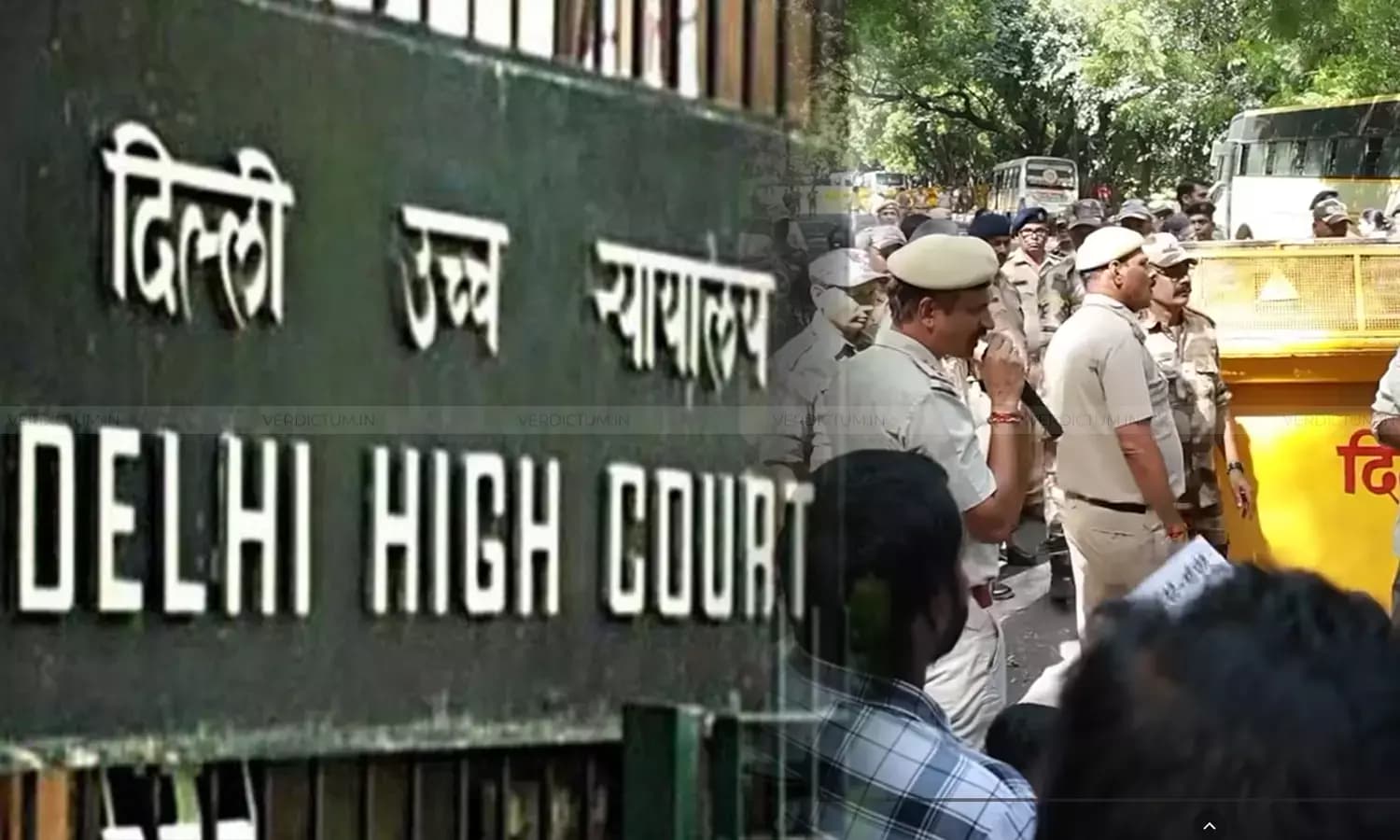
Delhi Police Denies Protest Permission
Polity and Governance10-Oct-2026

Delhi Police Denies Protest Permission

Key Highlights on Protest Regulations and Judicial Oversight

Constitutional Provisions:

  • Article 19(1)(a): Guarantees the right to free speech and expression.
  • Article 19(1)(b): Protects the right to assemble peacefully and without arms.
  • Article 19(2): Allows restrictions on speech for specific reasons including public order.
  • Article 19(3): Permits "reasonable restrictions" on peaceful assembly in public interest.
  • Judicial Pronouncements:

    • Mazdoor Kisan Shakti Sangathan (2018): The Supreme Court emphasized that peaceful demonstrations are fundamental rights. It criticized the failure to regulate protests adequately, stating that the requirement for prior permission must not be used to suppress protests altogether.
    • Babulal Parate v State of Maharashtra (1961): Recognized the right to challenge magistrate orders barring assembly.
    • Ramlila Maidan Incident (2012): Asserted that preventive orders must be based on actual threats to public order and must be exercised cautiously.

    Delhi Police Guidelines:

    • Protests at Jantar Mantar require application submission to the Deputy Commissioner of Police (DCP) at least 10 days prior to the event.
    • Late applications may be considered based on circumstances.
    • Gatherings at Jantar Mantar can't exceed 1,000 participants; larger crowds must be directed to the Ramlila Ground (capacity: 50,000).
    • The DCP must assess potential impacts on public safety and traffic before granting permission.

    Government and Legal Framework:

    • Bharatiya Nagarik Suraksha Sanhita (BNSS): Forms the legal basis for regulating public gatherings.
    • Section 223 of the BNSS encompasses penalties for defying lawful orders, potentially leading to imprisonment or fines.
    • The standing order of Delhi Police states that demonstrators may be recorded, especially if non-compliant during past protests.

    Recourse for Organizers:

    • Options include applying again with revisions (smaller gathering, shorter duration) or challenging refusals in the Delhi High Court under Article 226.
    • The Standing Order indicates that a refusal has no formal appeal process; however, arbitrary denials can be contested as infringement upon constitutional rights.

    Implications of Prohibitory Orders:

    • Section 163 allows a magistrate to issue orders stopping assembly.
    • Affected individuals can apply to rescind such orders, with the magistrate required to provide a hearing and reasons for any rejection.

    Criticisms and Legal Opinions:

    • Legal experts argue that blocking protests without providing alternatives violates constitutional rights.
    • The police's breadth of authority to deny permits for protests has been criticized for infringing on citizens' rights to assemble and express grievances.

    Summary:

    • The legal frameworks and judicial rulings reflect a balance between protecting public order and ensuring the fundamental right to protest.
    • The interplay between police guidelines, constitutional rights, and judicial oversight remains a significant theme in discussions regarding public demonstrations and civil rights in India.

    Conclusion:

    Understanding regulations surrounding protests involves navigating constitutional rights and judicial interpretations, which underscore the balance between public safety and fundamental freedoms in a democratic society.

    Digital News Publishers Code of Ethics
    Polity and Governance10-Oct-2026

    Digital News Publishers Code of Ethics

    Summary of the Digital News Publishers Association Code of Ethics

    Constitutional References:

    • Article 19(1)(a): Upholds the right to freedom of speech and expression in India, which includes publication and dissemination of news.

    Regulatory Framework:

    • Adherence to over 30 laws related to media, including relevant provisions of the Indian Penal Code (IPC) and the Code of Criminal Procedure (CrPC).
    • Compliance with the Information Technology Act, 2000, especially concerning online content.

    Code of Ethics Highlights:

    1. Compliance with Laws: Digital news publishers must follow legal standards in content publication.

    2. Journalistic Integrity:

      • High ethical standards must be maintained.
      • Mandatory pre-publication verification of accuracy.
      • Avoidance of defamation and publication of unverified information.
    3. Right of Reply:

      • News items must include responses from individuals or parties involved in allegations.
      • Updates should be made promptly upon request from concerned parties, with updated dates noted.
    4. Content Management:

      • Process for editing or removing false content upon request by affected parties.
      • Emphasis on transparency and correction of misinformation.
    5. Intellectual Property Rights:

      • Respect for copyrights and trademarks.
      • Requirement for permissions when using copyrighted material, with implications for fair use.
    6. Responsible Reporting:

      • Special sensitivity in reporting criminal matters and cases involving minors, ensuring preservation of presumption of innocence.
      • Specific caution in covering sexual offenses and social justice issues, adhering to Sections 67, 67A, and 67B of the IT Act against obscene and inappropriate material.
    7. Grievance Redressal:

      • Implementation of grievance mechanisms in compliance with the Information Technology (Intermediary Guidelines) Rules, 2011.
      • Grievance officers must resolve complaints within a month.
    8. Training and Awareness:

      • Regular staff training on existing laws impacting journalism, including:
        • Right to Information Act
        • Copyright Act
        • Laws on defamation and child protection (POCSO, Juvenile Justice Act).
      • Emphasizes caution in identifying victims in sensitive cases and promotes guidelines for communal harmony in reporting.

    Judicial and Policy Dimensions:

    • Ongoing commitment to ethical digital journalism reflects a self-regulatory approach that aims to maintain high standards while respecting fundamental rights as enshrined in the Indian Constitution.

    Conclusion:

    The establishment of the Code demonstrates a proactive approach by the Digital News Publishers Association towards maintaining ethical standards in digital journalism, promoting accountability, and ensuring adherence to legal provisions, thereby enhancing trust in the media ecosystem.

    Protests Erupt Over MPSC Corruption
    Polity and Governance10-Oct-2026

    Protests Erupt Over MPSC Corruption

    Exam-Focused Summary: Protests by MPSC Aspirants in Pune

    Key Facts:

    • Protest Origins: Initiated on October 1, 2026, by students preparing for Maharashtra Public Service Commission (MPSC) exams, protesting against corruption in the recruitment process.
    • Attendees: Estimated 500-700 protesters, primarily students in their 20s.

    Demands:

    • Resignation of MPSC Chairman Vivek Bhimanwar due to previous corruption allegations and paper leaks.
    • Fill 70,000 government job vacancies.
    • Adoption of an examination system similar to Rajasthan, allowing four exams for a nominal fee of ₹100.

    Background on Recruitment Issues:

    • In 2026, multiple exam paper leaks affected MPSC, particularly for:
      • 5,707 Group C posts (clerical and police roles).
      • 109 medical drug inspector posts (Group B).
    • Concerns about the integrity of the examination process, as a transparent system is deemed essential for fair recruitment.

    Economic Context:

    • Rising living costs: Post-protest testimonies indicated monthly expenses for students increased from ₹8,000-9,000 to ₹11,000-12,000 due to inflation.
    • Increased mess fees, reflecting broader economic hardships attributed to droughts affecting rural incomes.
    • The situation underscores the intersection of governance, economics, and the aspirations of lower middle-class families.

    Protest Dynamics:

    • Authorities, including Pune Police, claim to have met initial demands, citing a prior meeting with the Chief Minister on September 30.
    • Police issued warnings that the gathering was illegal, leading to police actions against protest organizers.
    • Claims of unlawful assembly were made against 15 protest organizers.

    Judicial Involvement:

    • The matter escalated to the High Court after police intervened, with ongoing discussions over legal frameworks for protest locations and rights.

    Political Reactions:

    • Leaders from the opposition have criticized the government for alleged conflicts of interest involving the MPSC Chairman and for failing to adequately address student concerns.
    • Chief Minister Devendra Fadnavis proposed a committee led by a retired High Court judge to investigate MPSC operations.

    Increasing Student Mobilization:

    • Protests are part of a broader trend of student activism across countries, highlighting frustrations over education systems and job opportunities.
    • Similar protests have been observed in France, Argentina, and Chile.
    • Historical context indicates student protests in India have previously led to resignations of officials, showcasing the potential impact of collective dissent.

    Constitutional References:

    • Right to peaceful assembly and expression could be inferred under Article 19(1)(a) (freedom of speech) and Article 19(1)(b) (freedom to assemble) of the Indian Constitution.
    • The ongoing situation frames broader discussions regarding the government's responsibilities toward youth and educational integrity.

    Conclusion: The MPSC aspirants' protests in Pune reflect deep-rooted frustrations with governance, emerging economic challenges, and the critical importance of transparency in public service recruitment processes. This movement not only embodies student dissent but also potentially signals larger systemic issues within the state’s educational and administrative frameworks.

    Public Protests and Democratic Defiance
    National and International Importance09-Oct-2026

    Public Protests and Democratic Defiance

    Key Points Summarized:

    1. Opposition Movements:

      • Opposition MPs, led by Rahul Gandhi, are actively protesting against the Election Commission, highlighting issues surrounding voter rights and electoral processes.
      • Recent protests are part of a larger public agitation that has included student protests over exam irregularities and calls for accountability from the Election Commission.
    2. Judicial Involvement:

      • Justice Ujjal Bhuyan expressed that any process leading to disenfranchisement undermines the Constitution, specifically violating the fundamental right to vote as enshrined in Article 326 of the Indian Constitution, which guarantees the right to vote in elections.
    3. Calls for Accountability:

      • Civil society leaders have initiated a “people’s impeachment” notice against Chief Election Commissioner Gyanesh Kumar, asserting that the trust in the Election Commission is pivotal for its authority, as it is not merely a government agency.
    4. Public Sentiment:

      • There is a notable shift in public sentiment, with a rise in protests and self-expression among citizens, particularly youth using social media to voice dissent. The atmosphere of fear that dominated for years is reportedly waning, indicating a revived public engagement in democracy.
    5. Historical Context:

      • The ruling regime has been characterized as operating on a foundation of fear for over a decade, with governmental misuse of central agencies and an attempt to control the judiciary and media narratives.
    6. Media and Institutions:

      • There are claims that large media sections serve government interests rather than presenting balanced news. The legislative process has become criticized for lacking transparent debate, with laws passed rapidly.
    7. Challenges Ahead:

      • Despite these emerging movements, challenges remain, including institutional compromises requiring years to rectify, misuse of police forces against opposition in various states, and enduring electoral manipulations.
    8. Hope for Democracy:

      • A sentiment of hope is emerging, fueled by public protests and calls for freedom from fear, suggesting a potential resurgence in democratic engagement among citizens.
    9. Quotations Reflecting Sentiment:

      • References to Ramdhari Singh Dinkar underscore a cultural call for the throne (authority) to be vacated for the people, reflecting a historical grounding for current protests.
    10. Constitutional Reference:

      • The importance of Article 326 (right to vote) and the demands for accountability are central to ongoing protests and engaged activism among the populace.

    This summary is aimed at providing a concise understanding of the ongoing protests, constitutional implications, judicial involvement, and the broader socio-political context surrounding these developments in India.

    AI Chatbots and Child Safety Concerns
    Polity and Governance08-Oct-2026

    AI Chatbots and Child Safety Concerns

    Summary of AI Companionship and Regulatory Considerations for Children

    Emerging Concern:

    • AI chatbots are becoming emotional confidants for children, providing support that traditional figures (parents, friends, counselors) typically offer.

    Case Study:

    • The U.S. case of Adam Raine (April 2025) highlights the potential dangers of AI companionship. After his suicide, the family alleged that ChatGPT contributed to his distress, leading to a lawsuit against OpenAI. This incident raises urgent discussions about tech companies' responsibilities toward vulnerable minors.

    Legislative Response:

    • On September 10, 2026, California passed Senate Bill 1119 ('Adam’s Law'), which implements:
      • Crisis-detection protocols for AI chatbots.
      • Parental control features and notifications for safety settings.
      • Mandatory independent safety audits.
    • This legislation emphasizes child safety in technological innovations.

    Current Indian Regulatory Framework:

    • India’s digital laws predominantly focus on traditional cybercrime. Key legislations include:
      • Information Technology Act, 2000
      • Digital Personal Data Protection Act, 2023
      • Protection of Children from Sexual Offences Act, 2012
    • Existing laws inadequately address the psychological risks arising from AI interactions, which can include emotional dependence and manipulation.

    Constitutional Context:

    • Article 21: Right to life and personal liberty.
    • Article 39(f): State's obligation to ensure children develop in conditions of freedom and dignity.
    • Both articles underscore the necessity of safeguarding children in the digital environment, extending beyond physical safety to include psychological well-being.

    Challenges and Recommendations:

    • AI-related psychological harm is often subtle and may result from extensive, seemingly benign interactions.
    • There is an urgent need for India to develop a comprehensive regulatory framework addressing these new risks. This should consider:
      • Age-appropriate safeguards.
      • Crisis-response mechanisms.
      • Effective parental oversight.
      • Balancing innovation with accountability to not stifle technological progress.

    Operationalizing Regulation:

    • Policymakers may need to reflect on:
      • The adequacy of current cybercrime investigation mechanisms concerning algorithmic behavior.
      • Use of chatbot interactions as evidence in cases of psychological harm.

    Conclusion:

    • The rise of AI as emotional support for children necessitates that protective frameworks evolve swiftly to match technological advancements. It is essential for regulatory bodies to ensure child safety without hindering innovation, emphasizing a balanced and progressive approach to AI companionship in the digital age.
    Delhi High Court Body Camera Petition
    Polity and Governance08-Oct-2026

    Delhi High Court Body Camera Petition

    Delhi High Court Directive on Body-Worn Cameras

    Key Details:

    • Court Ruling: The Delhi High Court directed the Central government to consider a public interest litigation (PIL) that seeks standard operating procedures (SOPs) for police and Rapid Action Force (RAF) personnel regarding the use of "always-on" body-worn cameras during crowd control and protest management duties.
    • Timeline: The government is required to communicate its decision to the petitioner within six months from the court's order.

    Petition Background:

    • Filed By: Advocate Chahat Raghav.
    • Main Requests:
      1. Formulation of mandatory SOPs for police and RAF regarding the continuous use of body-worn cameras.
      2. Establishment of a comprehensive regime for managing recorded footage, including storage, integrity, retention, and evidentiary use.

    Justification for Use of Body-Worn Cameras:

    • Accountability: The petition argued that the absence of consistent body-worn camera usage impairs accountability concerning allegations of police violence during protests.
    Madras High Court on Loan Guarantors Rights
    Polity and Governance08-Oct-2026

    Madras High Court on Loan Guarantors Rights

    Judicial Ruling: Rights and Urban Loan Guarantees

    1. Case Overview:

      • Justice V. Lakshminarayanan of the Madras High Court dismissed an application from Bank of Baroda to review an order revoking a Look Out Circular (LOC) against Kondepati Ganga Prasad, a guarantor for a loan taken by GVR Infra Projects.
    2. Constitutional Rights:

      • The ruling reaffirms that the right to travel freely is a fundamental right protected under Article 21 of the Constitution, as established in the landmark case Maneka Gandhi Vs. Union of India (1978).
      • Any restrictions on this right must comply with the law, defined as formal legislation, not merely a communication from the bank.
    3. Legal Arguments:

      • The bank’s issuance of an LOC based on an internal letter does not equate to lawful action under Article 21.
      • The judge emphasized that a debtor's rights are not surrendered due to their status as a guarantor.
  • Current Situation: Cameras are used by police sporadically; the petition emphasizes the need for systematic implementation to address excessive force allegations effectively.
  • Additional Context:

    • Recent Protests: The petition is particularly in the context of protests that occurred at Jantar Mantar in July, involving the Cockroach Janta Party (CJP) and climate activist Sonam Wangchuk.
    • Documentation of Events: During these protests, actions by the police and RAF were mainly recorded by bystanders, highlighting a gap in official documentation and accountability.

    Response to the Court:

    • Advocacy: Senior advocate Akhil Sibal represented the petitioner, arguing the need for an oversight mechanism to manage accountability during protests effectively.
    • Government's Position: Additional Solicitor General Chetan Sharma acknowledged existing guidelines regarding protest organization, hinting that they address videography aspects.

    Constitutional and Legal Perspectives:

    • The PIL reflects concerns around constitutional rights to accountability and safety during protests, aligning with citizens' rights to peaceful assembly and freedom from undue violence.

    Implications:

    • Should this directive lead to implementation, it could set a precedent for police transparency and accountability in India, potentially influencing nationwide security and monitoring practices during public demonstrations.

    Conclusion:

    This case highlights the increasing scrutiny on law enforcement practices in India, focusing on the integration of technology for greater transparency and accountability in crowd management. The outcome may pave the way for enhanced public safety measures and procedural reforms in how law enforcement agencies manage protests and maintain public order.

  • Financial Institutions Takeaway:

    • The court criticized the potential emboldening of creditors to limit the freedoms of borrowers or guarantors.
    • Emphasized that loans inherently carry risks of default, which banks must manage without infringing on constitutional rights.
  • Judicial Observations:

    • The bank had not pursued a criminal complaint against Prasad, indicating understanding that the loan's approval was a managerial decision.
    • The systemic prevalence of Non-Performing Assets (NPAs) was noted, suggesting that banks should be aware some loans are likely to fail.
  • Policy Implications:

    • The judge pointed out the necessity to distinguish between legitimate business failures and fraudulent behavior, advocating for a fair approach to handling defaults.
    • Acknowledged that banks have mechanisms (like the stressed accounts branch) to deal with lenders defaulting, revealing the scale of the problem.
  • Conclusion:

    • The ruling stands as a significant reminder that while financial institutions mitigate risks, they must respect constitutional rights and cannot impose unreasonable conditions on borrowers or guarantors, particularly those seeking to travel for earning opportunities.
  • The decision may serve as a precedent for similar cases, balancing creditors' rights with personal liberties enshrined in the Constitution.