iAspirants
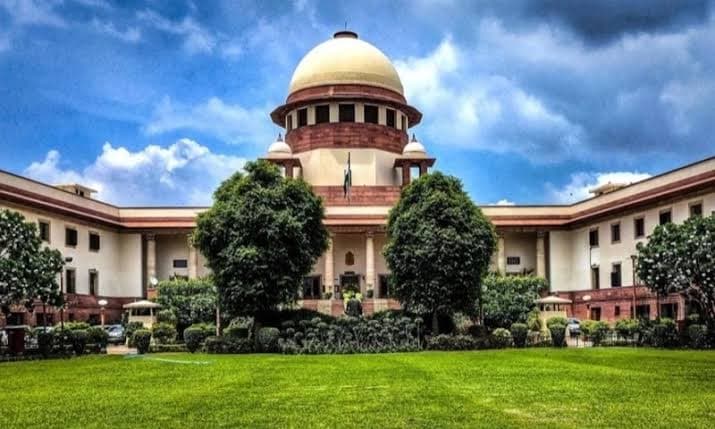
Supreme Court Reviews Judicial Seniority Issues
Published on:
Share this post

Article Summary
Supreme Court Constitution Bench Hearing: Seniority Criteria in Higher Judicial Services
Case Overview:
- A five-judge Constitution Bench, led by Chief Justice B.R. Gavai, is addressing the criteria for determining seniority in the Higher Judicial Services of India.
- The discussion focuses on promotions for judges from two streams: those promoted from lower judiciary (majority, about 75%) and those directly recruited from the Bar (younger, mid-30s).
Key Issues:
- Direct recruits enter the District Judge cadre at a younger age, often in their mid-30s, compared to promotees who typically enter their mid-40s. This results in seniority being associated with entry dates, disadvantaging promotees in terms of career progression.
- Seniority lists are impacted, leading to potential indirect discrimination against promotee judges, causing career stagnation due to delayed elevation opportunities.
- Judicial morale may be adversely affected if promotions appear skewed, discouraging talented lawyers from entering the system.
Data Insights:
- Bihar: Out of 91 Principal District and Sessions Judges, 86 are direct recruits and just 5 are promotees. The retirement of promotees will lead to a complete dominance of direct recruits in senior positions.
- Uttar Pradesh: Among 70 judges, 58 are direct recruits, and 12 are promotees.
- The trend is consistent in several states, undermining the representational balance of the judiciary.
Constitutional References:
- Elevation criteria is derived from Article 217(2), relating to the appointment of judges in the Higher Judiciary, indicating the significance of district judges in the promotion pipeline to higher courts.
Judicial Framework:
- The landmark All India Judges Association case (2002) established a recruitment ratio of 75% for promotions and 25% for direct recruitment. Promotions are to be based on merit-cum-seniority and other criteria, including a Limited Departmental Competitive Examination (LDCE).
- A 40-point roster system, established in the R.K. Sabarwal v. State of Punjab (1995) case, aims to create a fair promotion sequence but has faced inconsistent implementation across High Courts.
Recent Developments and Revisions:
- In May 2025, the Supreme Court revisited the 2002 framework, restoring critical guidelines to ensure fairness in promotions:
- Reaffirmed 25% quota for LDCE as opposed to states’ reductions.
- Lowered qualifying service for promotion from five to three years.
- Emphasized that candidates for entry-level civil judge posts must possess at least three years of legal practice.
Implications of the Hearing:
- The establishment of a fair promotion mechanism is critical for the institutional integrity of the judiciary and ensuring a diverse and experienced judiciary at higher levels.
- Historical data suggests many judges elevated to the Supreme Court started in the subordinate judiciary, highlighting the need for a functional and equitable promotion system.
Conclusion:
- The Supreme Court’s ruling will significantly affect judicial career paths, promote diversity in higher judicial appointments, and address longstanding imbalances in the recruitment and promotion mechanisms of India’s judiciary.
Key Terms & Concepts
| Supreme Court | Judicial authority reviewing promotions |
| Article 217(2) | Legal basis for judge elevation |
| All India Judges Association case | Precedent for recruitment structure |
| 40-point roster system | Determines seniority among judges |
| LDCE (Limited Departmental Competitive Examination) | Fast-track route for civil judges |
| 2002 recruitment ratio | 75% by promotion, 25% direct |
| Patna High Court | Reported judicial service data |
| Uttar Pradesh High Court | Reported judicial service data |
| Kerala High Court | Reported elevation statistics |
| Karnataka | Judicial promotion data |
| Meghalaya High Court | Reported no promotions for civil judges |
| Andhra Pradesh High Court | Recommended promotion policy |