iAspirants
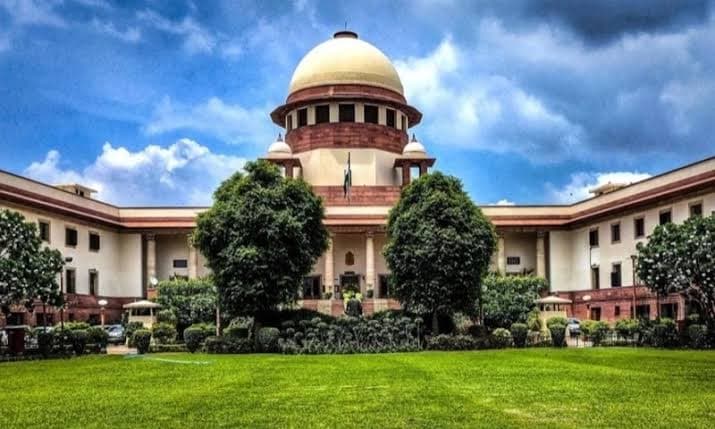
Supreme Court Weighs Female Genital Mutilation
Published on:
Share this post

Article Summary
Key Facts and Legal Framework on Female Genital Mutilation (FGM) Case
Judicial Context:
- A nine-judge bench of the Supreme Court of India (SC) is deliberating the constitutionality of Female Genital Mutilation (FGM).
- FGM is defined as procedures involving partial or total removal of external female genitalia for non-medical reasons and is considered a form of torture.
Current Legal Status:
- FGM is outlawed in India under the Indian Penal Code (IPC) sections concerning bodily harm (sections 320-326) and the Protection of Children from Sexual Offences Act (POCSO).
- International legal obligations mandate the prohibition of torture, which India is bound to uphold.
Cultural Practices and Constitutional References:
- FGM persists particularly within the Dawoodi Bohra community, often argued to be integral to their religious practices; however, no references to FGM exist in Islamic scriptures.
- The case touches on Articles 25 (freedom to practice religion) and 26 (freedom to manage religious affairs) of the Indian Constitution, which may not protect a practice deemed torturous.
Government Stance:
- In 2017, then-Minister for Women and Child Development Maneka Gandhi emphasized that FGM is a crime under IPC and POCSO.
- The current MWCD reiterated that FGM can attract penal consequences if reported.
Legal Arguments:
- The SC must disentangle the issue of FGM from religious freedom debates. Proponents claim it is part of Bohra religious practice; however, such claims conflict with constitutional rights to bodily integrity and human dignity.
- Respondents' view that FGM is voluntary is contested; consent from a seven-year-old cannot be deemed informed and valid.
International Law Implications:
- The prohibition of torture is highlighted as an inviolable principle of international law, underscoring that no national law or claim can contravene it.
Implications for Constitutional Rights:
- The decision expected from the SC will reaffirm the illegality of FGM and its conflict with fundamental rights under Article 21 (Right to Life and Personal Liberty) and principles of constitutional freedom.
Conclusion
The SC’s upcoming ruling is crucial in delivering a clear judgment against FGM, reinforcing the constitutional rights of young girls and reaffirming India's commitment to international human rights standards. The intrinsic conflict between FGM as a cultural practice and the fundamental rights enshrined in the Constitution is central to the ongoing discussions, with a pivotal focus on bodily autonomy and the prohibition of torture.
Key Terms & Concepts
| Supreme Court | Hearing case on FGM |
| female genital mutilation | Critically important legal case |
| Dawoodi Bohra community | Cultural practice involved |
| IPC | Legal framework prohibiting FGM |
| POCSO | Child protection law applicable |
| Articles 25 and 26 | Religious rights relevant to case |
| Maneka Gandhi | Affirmed FGM is a crime |
| Shashi Tharoor | Questioned legality of FGM |
| 2018 | Case acceptance year |
| 2017 | Affirmation of FGM’s criminality |
| fundamental rights | Rights potentially violated |
| international obligations | Legal constraints on practices |