iAspirants
Supreme Court's RTE Act Judgment Overview
Published on:
Share this post
Article Summary
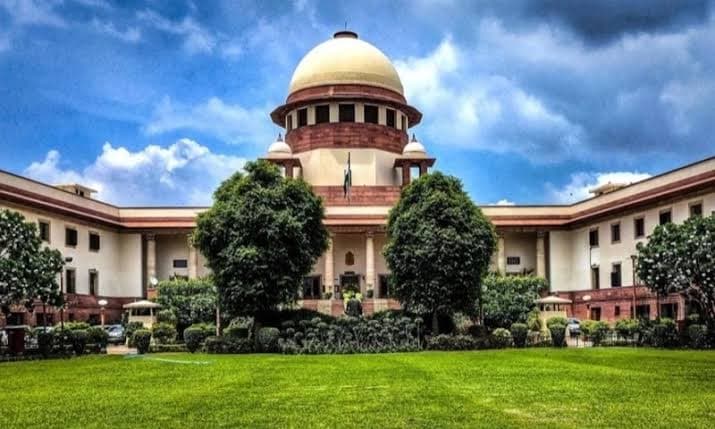
Supreme Court Judgment on Right to Education (RTE) Act, 2009
Key Provisions:
- Section 12(1)(c): Mandates that 25% of seats in private schools must be reserved for children from economically weaker sections and socially disadvantaged groups.
Constitutional and Social Significance:
- The Supreme Court in its January 2026 ruling articulated that this provision embodies a constitutional strategy to promote equality and social integration. It aims to facilitate a shared learning experience among children from vastly different socio-economic backgrounds, emphasizing that education should not be determined by the circumstances of birth.
Case Study:
- A personal account exemplifies the impact of the RTE Act: A boy from a footwear vendor family benefited from the 25% reservation, successfully integrating into a reputed private school, excelling academically and in sports like kabaddi. This shift has the potential to alter the family’s socio-economic status significantly.
Judicial Emphasis:
- The Court highlighted the importance of creating inclusive educational environments, allowing children from affluent families to learn alongside those from disadvantaged backgrounds, as a means to operationalize equality.
Impact on Families:
- Such provisions are not merely academic; they represent a transformative opportunity for families, offering pathways out of poverty and altering familial trajectories through access to quality education.
Conclusion
The Supreme Court’s reaffirmation of the RTE Act’s provisions serves to underscore the importance of educational equity in India, aligning with broader constitutional ideals of social justice and equality.
Key Terms & Concepts
| Section 12(1)(c) of RTE Act, 2009 | Reserves 25% school seats |
| Supreme Court of India | Judicial authority in case |
| economically weaker sections | Beneficiaries of the provision |
| socially disadvantaged groups | Beneficiaries of the provision |
| Right to Education (RTE) Act | Legislation for educational rights |
| April 29, 2026 | Date of judgment |
| Quality education | Objective of RTE provision |
| Karthik and Sunita | Example beneficiaries |
| poverty alleviation | Potential outcome of education |