iAspirants
Supreme Court's Stance on Governors
Published on:
Share this post

Article Summary
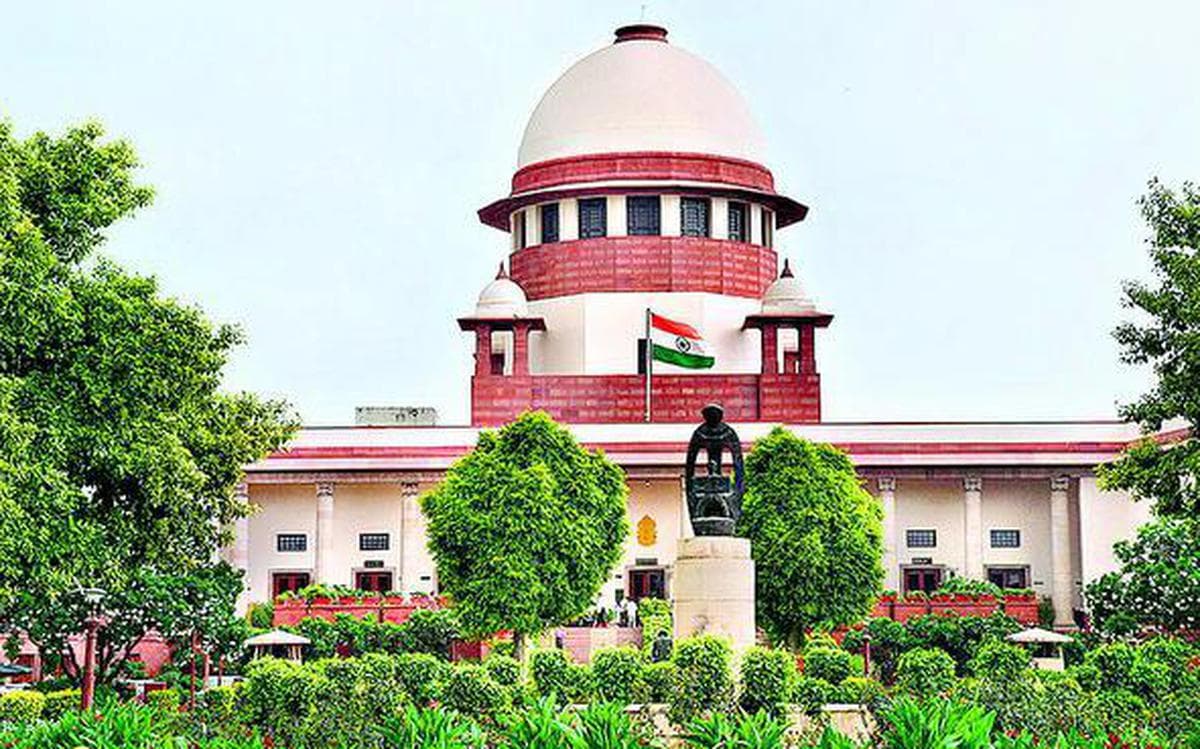
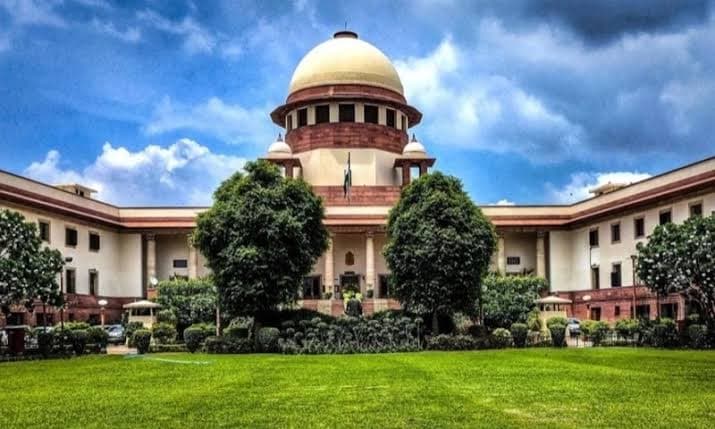
The Supreme Court of India has underscored its commitment not to remain passive if any constitutional authority fails in executing its duties, regardless of the authority's stature. Chief Justice B.R. Gavai articulated this stance on September 11, 2025, during the hearing of a Presidential Reference, which highlights the ongoing disputes between Opposition-ruled states and their Governors regarding the delay in assenting to critical legislation.
Key points from the proceedings include:
Judicial Oversight: Chief Justice Gavai asserted, "Howsoever high an authority may be, he is not above the law," emphasizing the role of judiciary as the custodian of the Constitution and maintaining separation of powers.
Presidential Reference Context: The Presidential Reference involves queries raised by President Droupadi Murmu about the Supreme Court's authority to intervene when Governors delay clearing bills passed by state legislatures. This situation was precipitated by a Supreme Court judgment dated April 8, 2025, that mandated a three-month deadline for Governors and the President regarding bills awaiting assent.
Government's Critique of Supreme Court Authority: The Union government, through Solicitor-General Tushar Mehta, contended that the Supreme Court was overstepping its boundaries and argued against the imposition of a universal time limit for all bills, claiming individual contexts should dictate timelines.
Response from the Supreme Court: The court rebuffed the notion that it should refrain from acting against legislative inaction by the Governors. Justice Kant clarified that while a court cannot mandate a Governor's decision on a bill, it could indeed compel the Governor to make a decision, countering the argument that such governance practices are inappropriate.
Gubernatorial Role and Backdrop: The Chief Justice noted that the Constitution was originally framed to foster a cooperative relationship between Governors and state administrations, reflecting on the historically amicable State-Governor interactions prior to recent tensions surfaced largely during the Aam Aadmi Party government in Delhi.
Arguments on Legislative Delays: The Solicitor-General argued that delays in assent are not a systemic issue, citing data demonstrating that most bills have been assented to within a month, and that only a few contentious bills experience delays.
Judicial Intervention on Legislative Process: Questions were raised if the judiciary should remain incapable of reviewing Governors' inactivity regarding bills, with the Chief Justice questioning whether elected state governments are vulnerable to Governors' arbitrary actions.
Constitutional Authority of Governors: Both sides acknowledged the constitutionality of a Governor's discretion to either assent to or withhold approval of any bill based on its merits while stipulating that such decisions must not be indefinite without communicated rationale.
Pending Judgment: The proceedings concluded with the Presidential Reference being reserved for further judgment, highlighting ongoing tensions in the state legislative process and governance in India.
In conclusion, this case places significant emphasis on the hierarchical structure of governmental functions in India, especially concerning the roles of the judiciary and constitutional authorities during legislative delays, with implications for federal governance and democratic processes within the states.
Key Terms & Concepts
| Supreme Court | Adjudicating on Presidential Reference |
| Presidential Reference | Legal process initiated |
| Constitution | Framework for governance |
| Tamil Nadu | State involved in discussion |
| Article 32 | Legal provision invoked |
| Legislation | Subject of examination |
| Aam Aadmi Party | Political party mentioned |