iAspirants
Sustainable Food Sources from Waste
Published on:
Share this post
Article Summary
Summary Notes
1. Global Food Security and Sustainable Practices
- Increasing global population necessitates sustainable food sources.
- The book "Biomass Conversion and Sustainable Biorefinery" (2024) discusses the reuse of biomass waste in food production.
- The World Health Organization emphasizes the importance of converting biomass waste into edible products to mitigate food deficiency.
2. Waste from Carrots and Utilization
- Carrots are often discarded in parts: skin, crown, and root tips leading to food waste.
- Research by Gagan J. Kaur et al. in the aforementioned book assesses carrot rejects for potential food products and biofuel generation.
3. Fungal Biodegradation of Food Waste
- Research presented in a paper from December 2025 (Journal of Agricultural and Food Chemistry) led by Martin Gand from Giessen University examines using fungi to process carrot waste.
- Fungi acquire nutrients differently from plants and animals; they do not photosynthesize but use enzymes for digestion.
- Mycelia, the root-like structures of fungi, allow them to thrive in diverse environments and break down organic matter, including food waste.
4. Mushroom Potential for Food Waste
- The study identified over 100 mushroom species efficient in processing indigestible food waste, particularly carrot remnants.
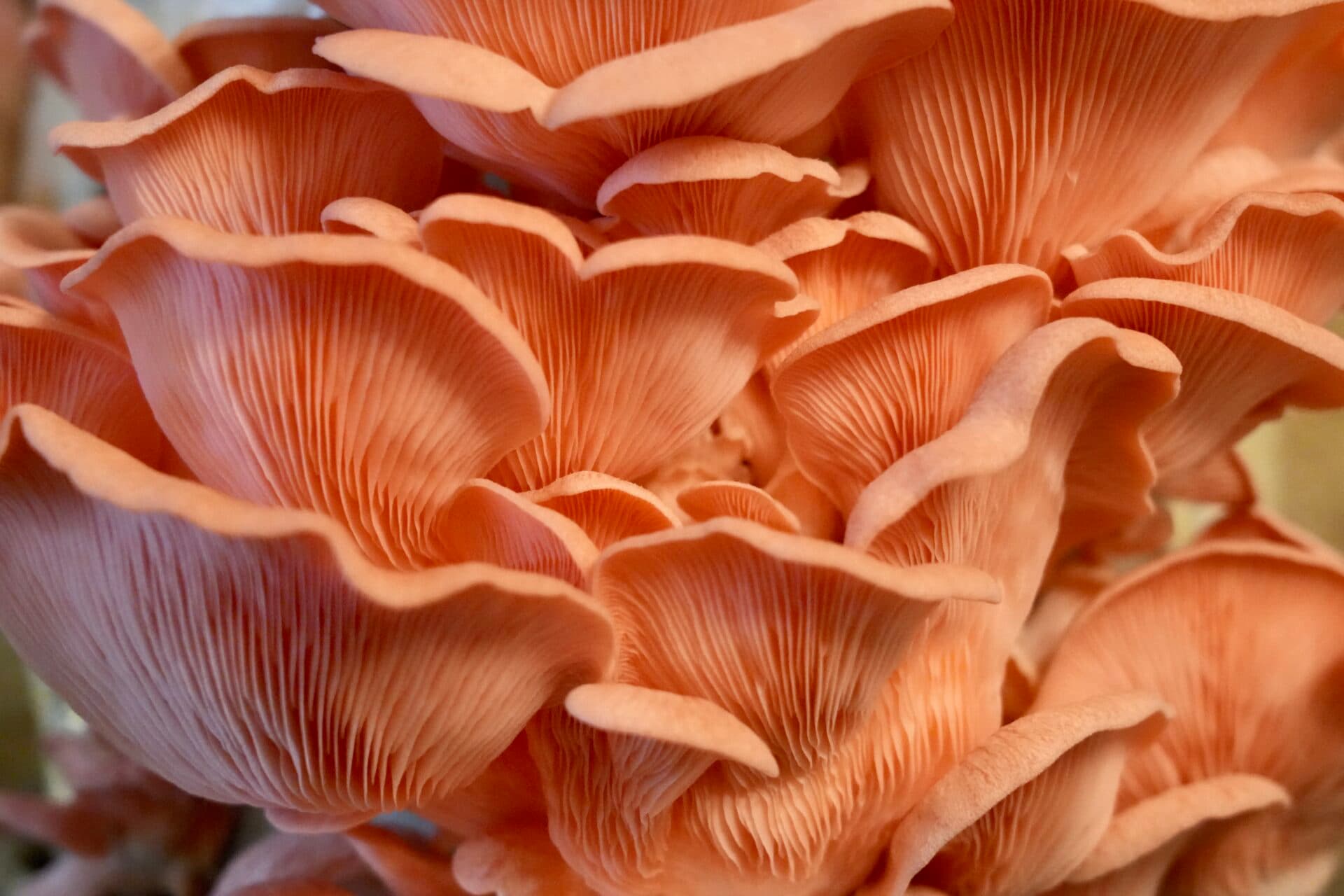
- Example: Mycelia of pink oyster mushrooms transformed into “vegan patties,” offering alternative protein sources.
5. Health Benefits of Fungi
- Mushrooms are rich in vitamins, antioxidants, and recommended for inclusion in diets by nutritionists.
- Increasing mushroom use can enhance dietary health while contributing to waste reduction efforts.
6. Potential Implications
- The research implies potential applications in transforming food waste into nutritious food, possibly influencing future food security strategies.
- Encourages further exploration into fungal biotechnology for sustainable agriculture and resource management.
7. Relevance to Constitutional and Policy Framework
- These discussions align with the Directive Principles of State Policy (DPSPs) (Part IV of the Indian Constitution) indicating the State's obligation to improve public health and food security.
- Innovations in biorefinery and sustainable practices contribute toward the goals outlined in various national and international policies on sustainability and food security, pertinent to climate agreements and UN Sustainable Development Goals (SDGs).
8. Conclusion
- Emphasizing the circular economy in food production through waste recycling can provide substantial benefits for food security and environmental sustainability.
- Continued research and adoption of such innovative methods are vital in addressing global food challenges amidst rising populations.
Key Terms & Concepts
| Biomass Conversion and Sustainable Biorefinery | Book highlighting biomass reuse |
| World Health Organization | Emphasizes food conversion necessity |
| Assessment Carrot Rejects and Wastes for Food Product and as a Biofuel | Article analyzing carrot waste |
| Journal of Agricultural and Food Chemistry | Published research on fungi use |
| Institute of Food Chemistry | Research institution in Germany |
| Mycelia | Root-like structure of fungi |
| Pink oyster mushrooms | Fungi used for food waste conversion |
| Vegan patties | Food product made from waste |
| Carrots | Source of food waste studied |
| December 2025 | Publication date of research |